DHAKA, January 2026 — The efficient movement of goods via rail is vital for Bangladesh's economic activity, particularly for connecting the primary Chattogram port to inland logistics hubs like Dhaka. Disruptions to this critical artery can have cascading effects on import costs and supply chain timelines, impacting regional trade flows.
Over recent months, a critical shortage of locomotives severely impacted container train services between Chattogram and Dhaka. Train operations dwindled from an average of over 112 per month to as low as 74 in December, with nine days seeing no services at all due to a lack of available engines.
This operational bottleneck led to a substantial backlog of import containers at Chattogram port, nearly doubling its storage capacity and forcing the use of export container yards. Importers faced mounting demurrage charges and increased logistical expenses due to the prolonged delays in cargo clearance.
The shortage was exacerbated by the diversion of locomotives to prioritize passenger train services during a period of heavy travel demand. However, Bangladesh Railway has reported that freight operations have resumed at full capacity since last week, with three to four pairs of container trains now running daily.
With operations normalizing, the backlog is anticipated to clear within the next ten days. This incident highlights the ongoing challenges in balancing freight and passenger service demands and underscores the need for robust locomotive fleet management to ensure supply chain resilience in the region's developing rail networks.
Source: The Daily Star
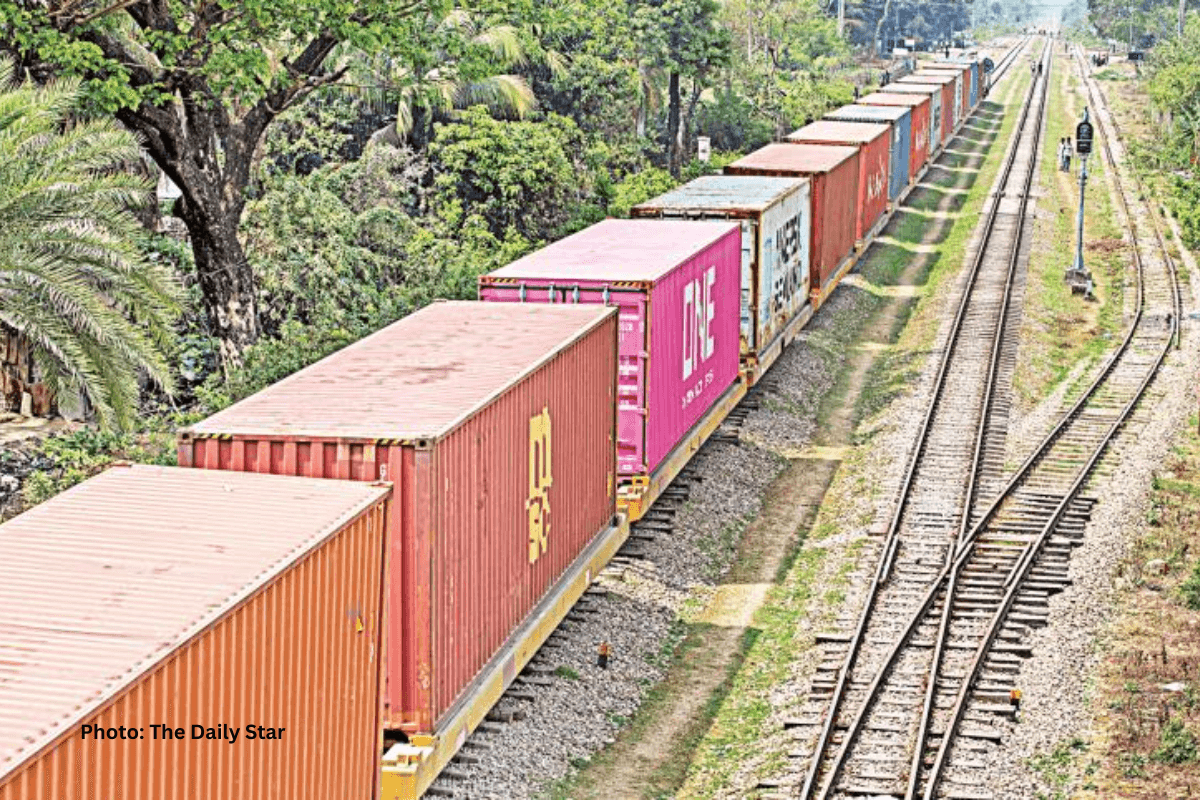
Bangladesh Railway Resumes Freight Operations After Locomotive Shortage Disrupts Key Trade Route

Engineering Business Management
Share this story
Reliable rail freight is crucial for regional trade and economic integration across Asia. Bangladesh Railway is now resuming full freight operations between Chattogram port and Dhaka after a severe locomotive shortage caused significant disruptions and backlogs over recent months.