BUDAPEST, January 2026 — The global push for enhanced urban mobility and airport accessibility is driving significant infrastructure investment, with public-private partnerships (PPPs) emerging as a key delivery mechanism. Hungary's recent tender for a new rail link to Ferenc Liszt International Airport, valued at an estimated $1.1 billion, exemplifies this trend, offering a model for how complex transport projects are being financed and managed.
The 35-year concession involves constructing approximately 27 kilometers of new electrified, double-track railway designed for speeds up to 200 kph. A central technical challenge is the requirement for a deep underground station at the airport, necessitating extensive excavation beneath active aviation facilities and integration with terminal buildings, alongside robust fire-life-safety and waterproofing systems.
This project's structure shifts substantial construction and lifecycle risk to private bidders, compelling them to consider long-term durability and operational performance from the outset. Such a model could inform how Asian nations approach similar ambitious projects, balancing upfront investment with sustained operational reliability and cost predictability.
The technical demands, particularly the deep underground station construction and managing subsurface risks in variable soil and groundwater conditions, echo challenges faced in other major airport rail developments, such as Dublin's MetroLink and the AirTrain Newark replacement. These complexities highlight the critical need for thorough geotechnical assessment and robust risk allocation in bid documents.
As demand for efficient, sustainable transport solutions grows across Asia, projects like Budapest's airport rail link demonstrate a strategic direction. The emphasis on private finance, comprehensive risk transfer, and technically demanding urban infrastructure development provides a relevant case study for stakeholders navigating the future of regional rail and transport networks.
Source: Engineering News-Record
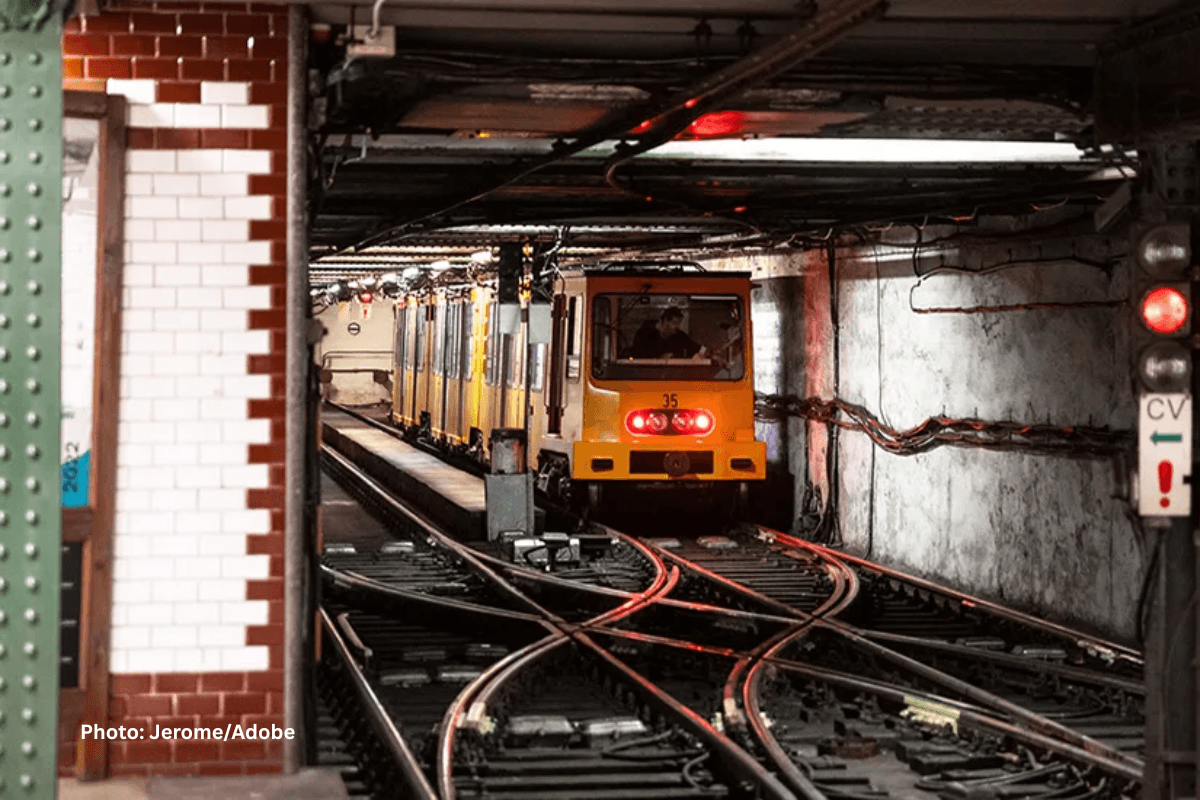
Budapest Airport Rail Link Tender Highlights PPP Model for Asian Infrastructure Development

Engineering Business Management
Share this story
As Asian cities increasingly prioritize efficient airport connectivity, large-scale infrastructure projects like Budapest's new rail link underscore the strategic importance of public-private partnerships. The tender's focus on complex underground construction and long-term risk transfer offers valuable insights for regional development.