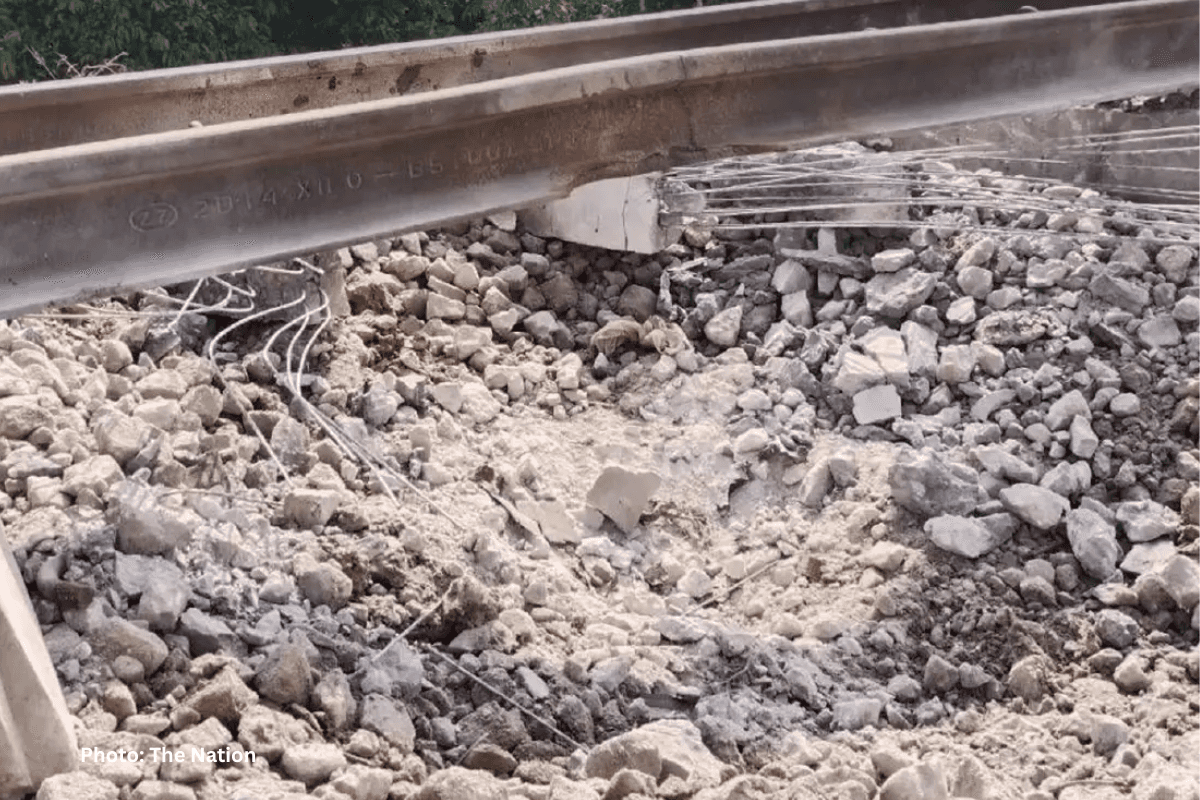
FRAMINGHAM, June 2026 — A freight train derailment near Framingham Station disrupted operations on the MBTA’s Framingham/Worcester Line, affecting passengers during the evening peak period. The incident occurred when a freight railcar left the tracks near a key junction, temporarily blocking rail movements and road traffic in the area.
The derailment took place near the intersection of Concord Street and Waverly Street adjacent to Framingham Station. Emergency responders and railway crews were deployed to secure the site and rerail the affected freight car. According to reports, the train was carrying food and beverage products, and no injuries, leaks or hazardous material releases were reported.
The incident resulted in the cancellation of at least one commuter rail service and caused delays of up to an hour on multiple Framingham/Worcester Line trains. To accommodate passengers, the MBTA adjusted schedules and reassigned services, while some commuters were forced to seek alternative transport arrangements as congestion built up around the station area.
The disruption highlights the operational challenges associated with mixed-use rail corridors where freight and passenger services share infrastructure. Even minor derailments can have significant consequences for network reliability, particularly on heavily used commuter routes that serve major employment and residential centres. The Framingham/Worcester Line is among the busiest routes in the MBTA commuter rail network, connecting Boston with communities across central Massachusetts.
The event underscores the importance of infrastructure resilience, incident response planning and coordination between freight and passenger operators. As rail networks continue to accommodate growing passenger demand alongside freight traffic, minimising service disruptions and maintaining operational flexibility remain critical priorities for rail authorities and infrastructure managers.
Source: Boston.com

Freight Train Derailment Disrupts Boston–Worcester Rail Services

Engineering Business Management
Share this story
Freight and passenger rail networks often share critical infrastructure, making operational disruptions on one service capable of affecting wider network performance. A freight train derailment in Massachusetts caused significant delays and service adjustments on one of the Boston region’s busiest commuter rail corridors.