
Beneath every conventional railway line is a layer of angular stone known as ballast. It supports the sleepers, distributes train loads, provides drainage and helps restrain track movement. Because ballast is exposed to repeated loading, vibration, weather and maintenance operations, it must be strong, durable and appropriately graded. For decades, quarried granite and other natural rocks have been the default choice. [1]
The question facing the rail industry is whether every tonne of future ballast must continue to come from a quarry.
This question is particularly important in Asia, where new rail corridors, urban transit systems and freight infrastructure are expanding while construction waste and industrial by-products are also increasing. The challenge is therefore not simply to find a waste material that can replace stone. It is to engineer a reliable track material that performs safely, drains effectively, resists degradation and does not create a new environmental problem.
At Universiti Malaysia Pahang Al-Sultan Abdullah, my research team and I have investigated the potential use of concrete debris and bottom ash as partial alternatives to conventional railway ballast. Concrete debris is generated during demolition and infrastructure renewal, while bottom ash is a residue from combustion processes. Both materials are commonly treated as wastes, but they also possess granular and mineral characteristics that may be useful in civil engineering.
Our research began with a basic engineering question: Can these materials satisfy the physical and mechanical demands of a railway track bed?
Testing Waste as an Engineered Resource
The first stage examined particle-size distribution, Los Angeles abrasion, aggregate impact value and aggregate crushing value. These tests assess whether the materials have suitable gradation and whether they can resist wear, impact and crushing.
The findings showed that a 50:50 mixture of conventional ballast and concrete debris behaved close to conventional ballast in several respects and demonstrated promising crushing resistance. This did not mean that concrete debris could immediately replace natural ballast in operating tracks. It showed that recycled concrete deserved to be treated as an engineered resource rather than automatically discarded as waste. [2]
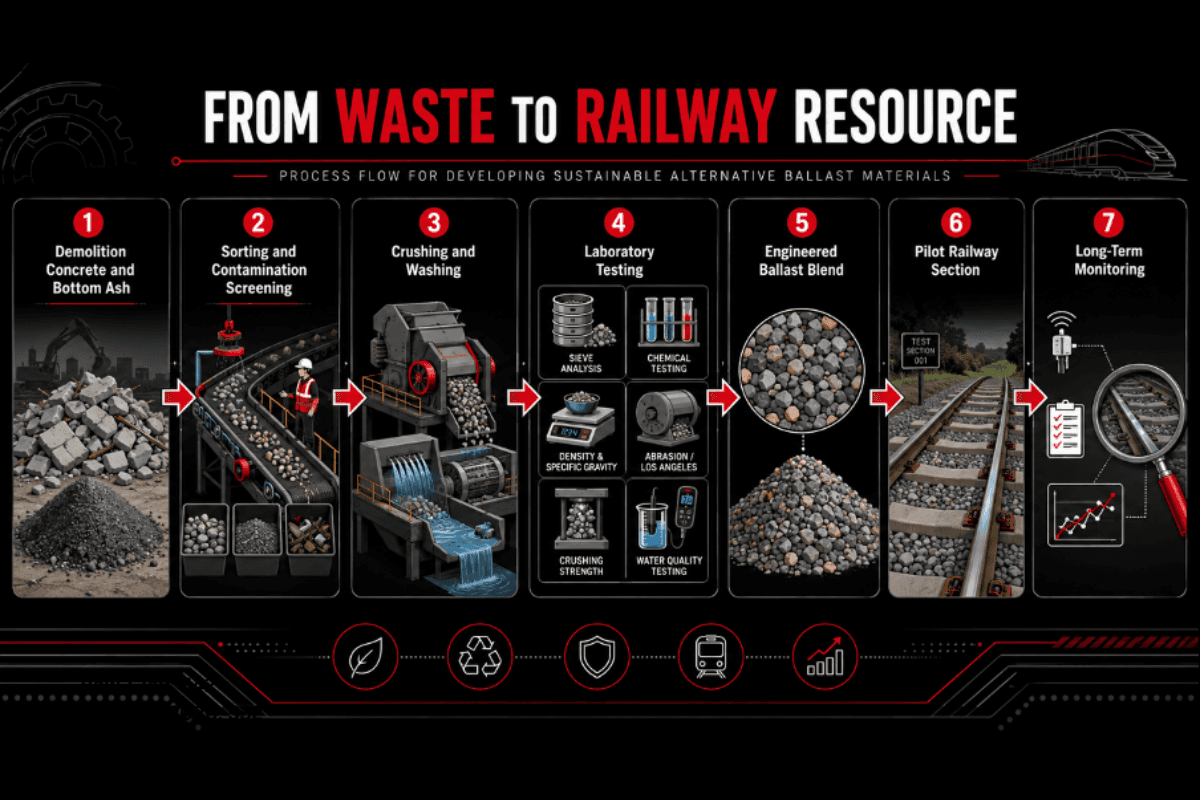
Figure 1: From Waste to Railway Resource | Credit by The Owner
A later study examined damage resistance more closely using changes in particle-size distribution, Hardin’s breakage index and fouling indicators. Again, the one-to-one mixture of conventional ballast and concrete debris produced encouraging resistance to impact and crushing.
Under crushing load, the breakage index of the mixture containing 50% concrete debris differed by only approximately 4% from the conventional-ballast reference. These results reinforced an important principle: the best solution may not necessarily be total replacement, but a carefully designed hybrid material. [3]
Further investigation of the physical properties also showed why mix design is essential. The incorporation of recycled materials can change gradation, void ratio, permeability and the quantity of smaller particles within the ballast layer. These properties directly influence drainage, particle interlocking and long-term track behaviour. [4]
Waste should therefore never be added to ballast simply to achieve a recycling target. Its quality and proportion must be controlled so that environmental benefits do not come at the expense of track performance.
Environmental Safety Matters
Mechanical performance is only one side of the decision. When industrial residues are used in exposed infrastructure, environmental safety must also be investigated.
Bottom ash and recycled concrete may contain soluble constituents, while tropical railway tracks are subjected to intense rainfall, elevated temperatures and repeated wetting-and-drying cycles. Under these conditions, potentially harmful elements may be transported from the track layer into surrounding soil or water.
To examine this risk, our subsequent research evaluated six track-design mixtures over a period of 270 days under room and elevated-temperature conditions. Leachates were analysed using inductively coupled plasma optical emission spectrometry and compared with relevant water-quality thresholds.
Under the investigated conditions, the measured leaching remained within the referenced limits. The study recommended a blend comprising:
50% conventional ballast, 40–45% inert concrete debris and 5–10% bottom ash.
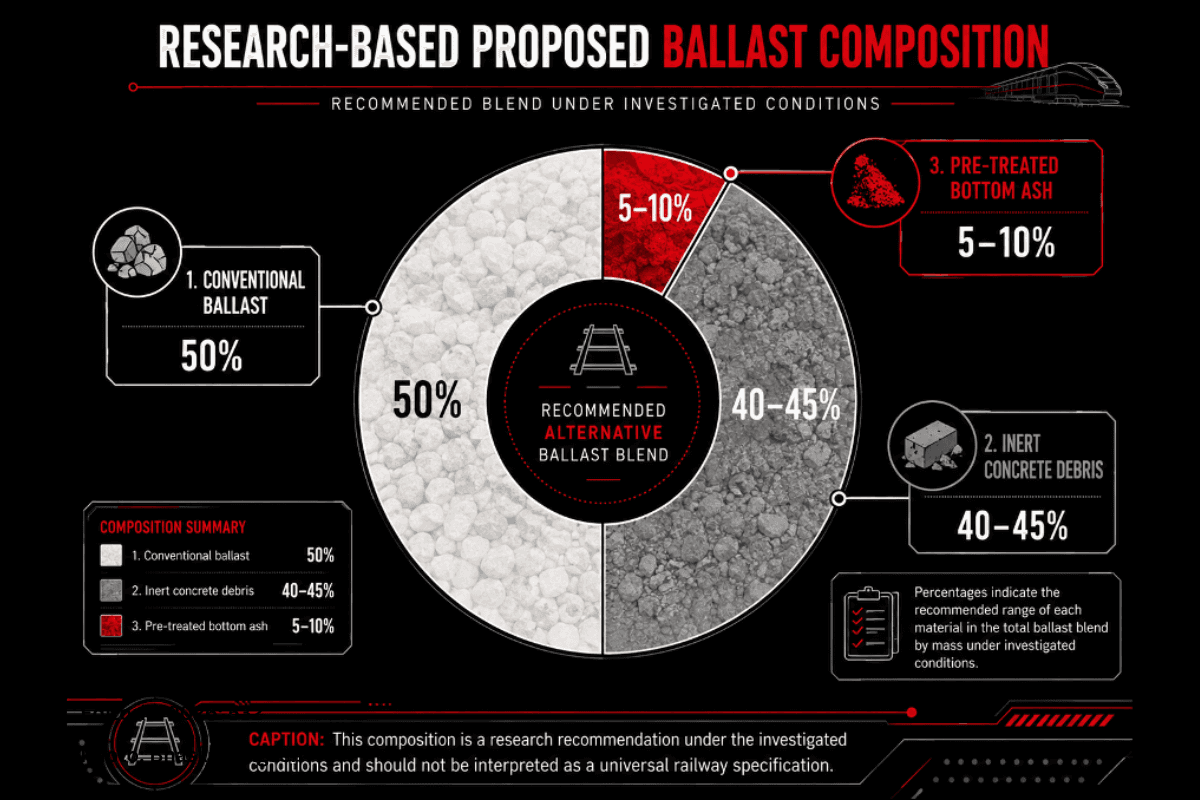
Figure 2: Proposed Track-Design Mixture | Credit by The Owner
Suitable pre-treatment, particularly washing of the bottom ash, was also recommended before its use. [1]
This recommendation should not be interpreted as a universal railway specification. The composition and behaviour of recycled concrete and bottom ash vary according to their sources. A blend suitable for one supply chain, climate or railway application may not be suitable elsewhere.
Each proposed application requires material characterisation, environmental screening, compliance with local railway and environmental standards, and validation under representative loading and drainage conditions.
Nevertheless, the research demonstrates a realistic pathway from waste management to railway innovation. Instead of asking whether waste can replace ballast, the industry should ask how recycled constituents can be processed, blended, verified and monitored as part of a performance-based track system.
Connecting Innovation with ESG
The use of alternative track materials has clear relevance to environmental, social and governance objectives.
From an environmental perspective, partial replacement can reduce demand for virgin aggregate, divert concrete debris and ash from disposal, and encourage more efficient use of locally available materials. However, genuine environmental performance must be demonstrated through leaching assessments, transportation-distance analysis, embodied-carbon calculations and whole-life performance.
A recycled material that requires excessive transportation, intensive treatment or frequent replacement may not deliver the expected environmental benefit.
From a social perspective, a circular railway-material supply chain can create opportunities for local recycling operators, testing laboratories, contractors and technology providers. It may also reduce some of the environmental and community burdens associated with extensive quarrying and unmanaged waste disposal.
These benefits must be accompanied by proper worker protection, dust control, safe handling procedures and transparent communication with affected communities.
From a governance perspective, recycled railway materials require strong traceability and quality assurance. The source of each material batch, its possible contamination history, processing method, test results and final application should be properly documented.
Procurement specifications should increasingly be based on measurable performance rather than accepting or rejecting a material solely because of its origin.
Beyond Ballast: Designing Sustainable Sleepers
The same circular-design philosophy can guide the future development of eco-friendly railway sleepers.
Ballast and sleepers should not be treated as unrelated products. They function together as part of the track load-transfer system. The stiffness, geometry and surface condition of a sleeper influence how loads are transferred into the ballast and how ballast particles respond under repeated train movements.
Future sleeper research can examine lower-carbon binders, carefully selected recycled aggregates, durable fibre reinforcement and other engineered composite materials. However, every proposed innovation must continue to satisfy requirements relating to structural strength, fatigue resistance, fastening performance, dimensional stability, durability and maintenance.
A sleeper described as sustainable but requiring premature replacement would simply transfer environmental and financial costs to future railway operators.
The next stage of innovation should therefore integrate alternative ballast materials, eco-friendly sleepers, geosynthetics, drainage and subgrade improvement into a coordinated track-system design.
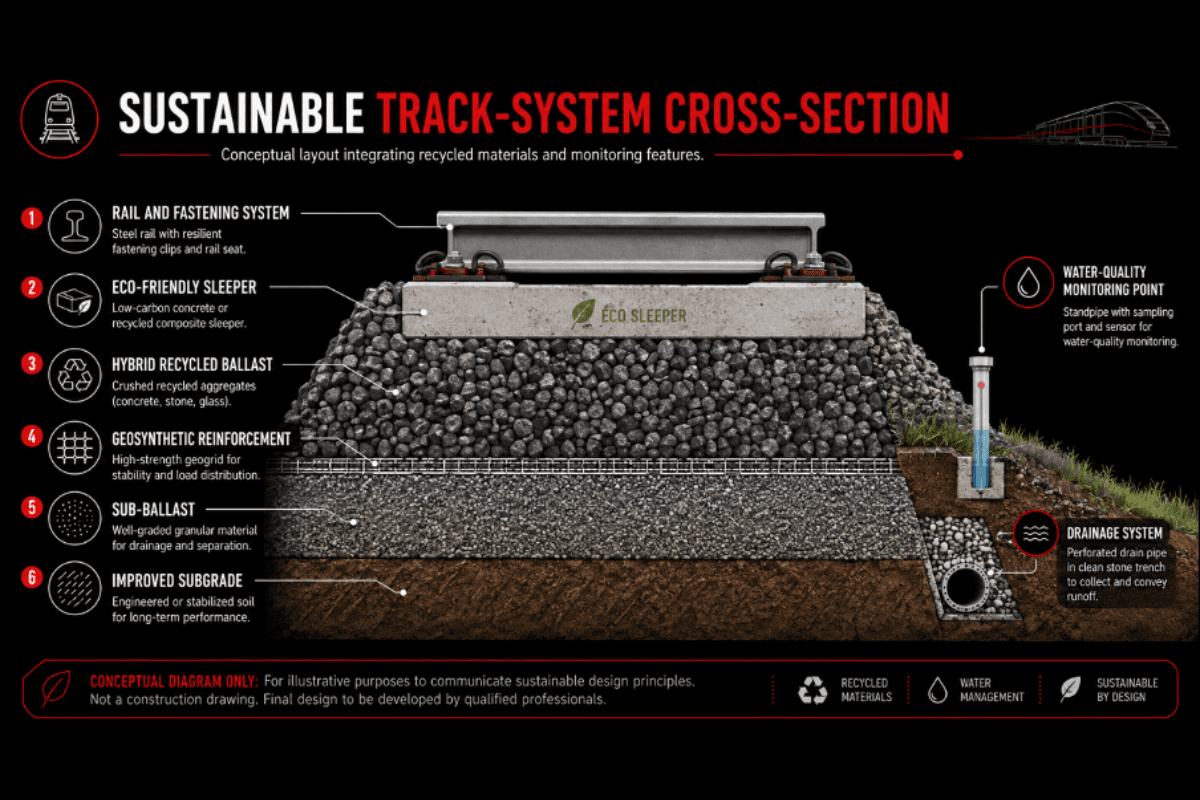
Figure 3: Sustainable Track-System Concept | Credit by The Owner
From Laboratory Studies to Operating Tracks
Laboratory research provides the essential foundation, but the railway sector will need field evidence before adopting alternative materials on a larger scale.
Controlled and instrumented pilot-track sections should be developed to monitor:
• Track settlement and geometry;
• Ballast particle degradation and fouling;
• Drainage and water quality;
• Sleeper–ballast interaction;
• Vibration and load distribution; and
• Maintenance requirements over time.
Digital sensors, image-based particle assessment and predictive maintenance systems can help determine whether alternative materials continue to deliver the required performance under actual train traffic and tropical weather.
Five actions can accelerate this transition across Asia.
First, railway owners should establish controlled demonstration sections for recycled ballast blends rather than expecting immediate network-wide implementation.
Second, universities, railway operators and industry partners should develop shared testing protocols covering both engineering performance and environmental safety.
Third, material suppliers should introduce traceable processing and quality-control systems for recycled concrete debris and bottom ash.
Fourth, project evaluations should compare whole-life cost and carbon performance rather than focusing only on the initial price per tonne.
Finally, ballast, sleepers, geosynthetics, drainage and subgrade should be designed as an integrated infrastructure system.
Shaping the Future Beneath the Track
The future of railway infrastructure will not depend on a single “miracle material”. It will depend on disciplined engineering that combines circular resources, laboratory evidence, field validation and responsible governance.
Asia has both a strong need for new rail infrastructure and a large supply of materials currently classified as waste. Connecting these two realities can reduce pressure on natural resources while encouraging innovation within the regional railway industry.
The opportunity is not to replace every stone beneath the track. It is to ensure that every material used there has been selected for a clear engineering purpose, verified for safety and evaluated throughout its full life cycle.
A more sustainable railway begins long before a train enters service.
It begins with the materials beneath the sleepers.
Research References
[1] Duraisamy, Y., Othman, R. and Sulaiman, M.A. (2025). Assessment of Heavy-Metal Leaching from Recycled Concrete Debris and Bottom Ash as Sustainable Alternatives for Railway Ballast in Tropical Environments. Research Square preprint. DOI: 10.21203/rs.3.rs-5531247/v1.
[2] Duraisamy, Y. et al. (2021). Durability Performance of Concrete Debris and Bottom Ash as an Alternative Track Ballast Material. IOP Conference Series: Earth and Environmental Science, 682, 012053. DOI: 10.1088/1755-1315/682/1/012053.
[3] Duraisamy, Y. et al. (2022). Influences of Waste Inclusion on Impact and Crushing Force Resistance of Track Ballast. Key Engineering Materials, 912, 225–240. DOI: 10.4028/p-o0c648
[4] Duraisamy, Y. et al. (2023). Suitability of Conventional Ballast Mixed with Concrete Debris and Bottom Ash Waste. Key Engineering Materials, 942, 103–116. DOI: 10.4028/p-ymh691..
Editorial Disclaimer: This article was submitted by an external contributor and has been reviewed by the Rail Asia editorial team for clarity and editorial standards. The opinions expressed remain those of the author.
For more information about our contributor programme or editorial guidelines, please contact:
Rail Asia Editorial Team
editor@rail-asia.com


