EUROPE, June 2026 — The awards underscore a broader industry focus on talent retention and diversity as rail operators, manufacturers and advisers confront capacity expansion, electrification and digital transformation. Recognising women across functions—from civil engineering and traffic operations to finance and project delivery—signals an industry-wide effort to broaden the leadership pipeline and technical bench strength.
This year’s programme highlights 14 winners employed by operators, contractors, OEMs and advisory firms in multiple regions, including senior figures at SMRT Trains (Singapore), Systra (France), CPKC and CSX (Canada and United States), Hitachi Rail (Canada), Land Transport Authority (Singapore) and Norfolk Southern (United States). The announcement notes winners across both field and corporate roles, illustrating the diversity of career paths now visible in rail.
For rail stakeholders, the list provides practical examples of professional development and retention success across different organisational contexts. The award profiles — which will be published in a series of in-depth articles — can inform HR strategies, mentoring programmes and diversity targets for infrastructure clients and suppliers seeking to accelerate leadership pipelines and operational capability growth.
Viewed against previous years, the 2026 cohort reinforces a trend of expanding recognition beyond traditional managerial roles to include technical, operational and delivery-focused positions, reflecting how modern rail systems depend on integrated skill sets. The IRJ editor emphasised the award’s role in showcasing role models and encouraging wider industry participation.
Taken together, the announcement is a reminder that human capital and inclusive leadership are strategic assets for the sector as it delivers major networks and upgrades. For rail planners, operators and contractors, tracking awardees’ career pathways and the published case studies can yield practical lessons for recruitment, retention and skills transfer programmes.
Source: International Railway Journal
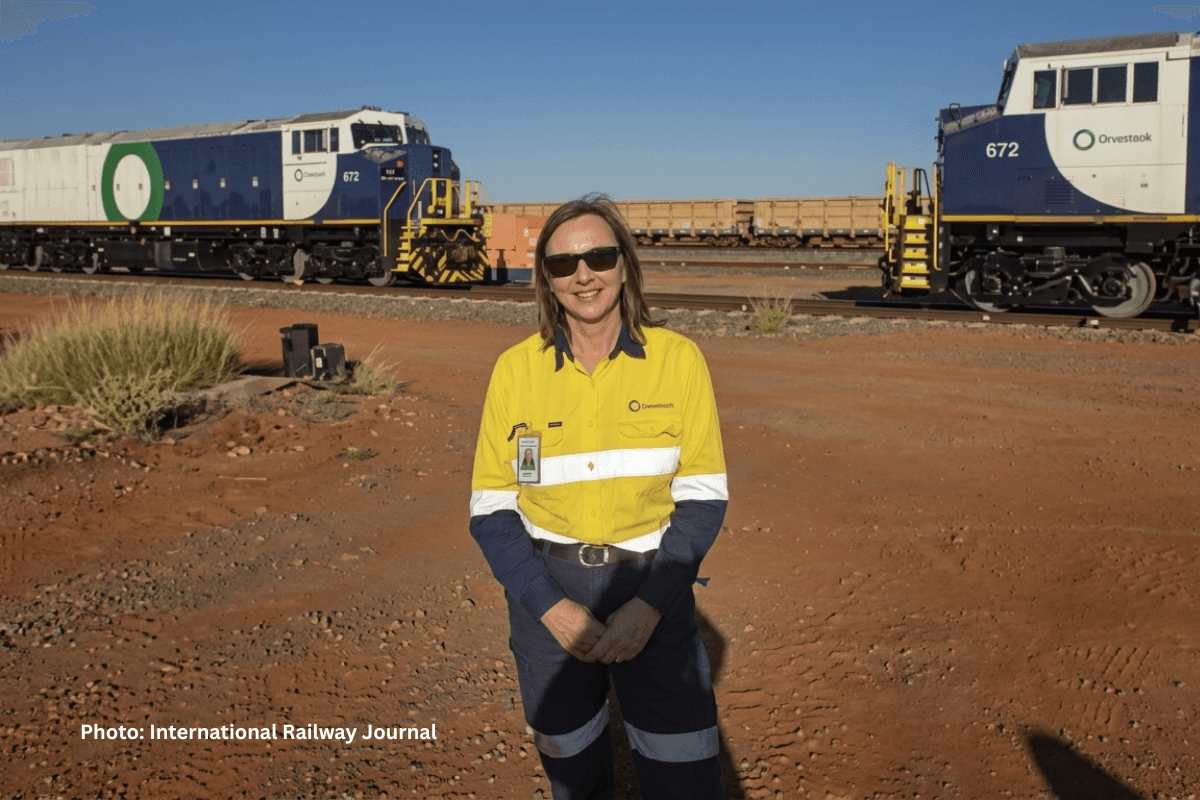
IRJ Announces 2026 Women in Rail Award Winners

Engineering Business Management
Share this story
The rail sector is increasingly prioritising diversity in leadership and skills development as networks modernise and projects scale. International Railway Journal has named 14 recipients of its 2026 Women in Rail Award, recognising a cross-section of senior, technical and operational roles whose work is directly relevant to rail infrastructure and operations.