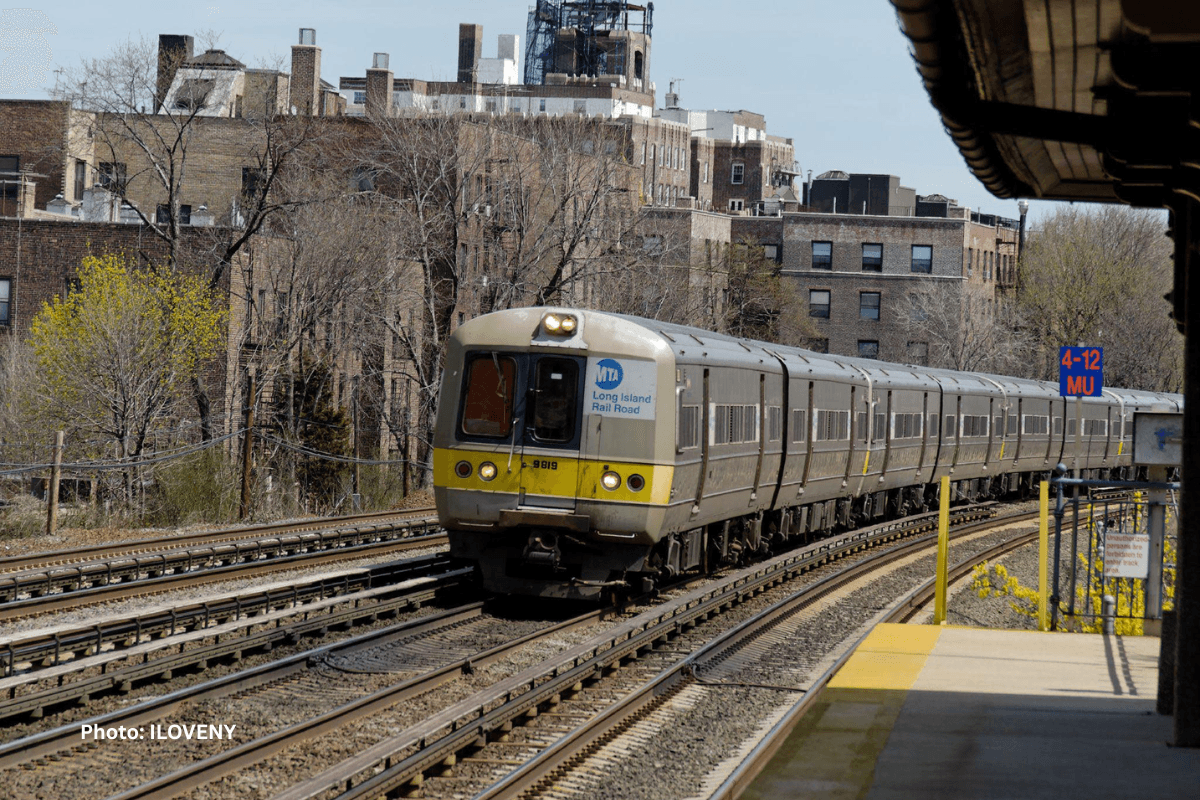
NEW YORK, May 2026 — The Long Island Rail Road (LIRR), a cornerstone of the New York metropolitan area's transit infrastructure, is navigating a period of heightened operational risk. As the primary artery for eastern suburban commuters, the system’s ability to maintain continuous service is currently contingent on resolving long-standing labor disputes involving approximately half of its 7,000-person workforce.
Negotiations between the Metropolitan Transportation Authority (MTA) and five labor unions representing engineers, machinists, and signalmen have centered on divergent wage increase proposals. While the MTA has offered a 9.5% increase over three years to align with other internal labor agreements, union representatives are advocating for a 16% raise over a four-year period. Current discussions involve a potential compromise involving lump-sum payments in the fourth year, a move supported by federal recommendations but still under scrutiny by labor officials.
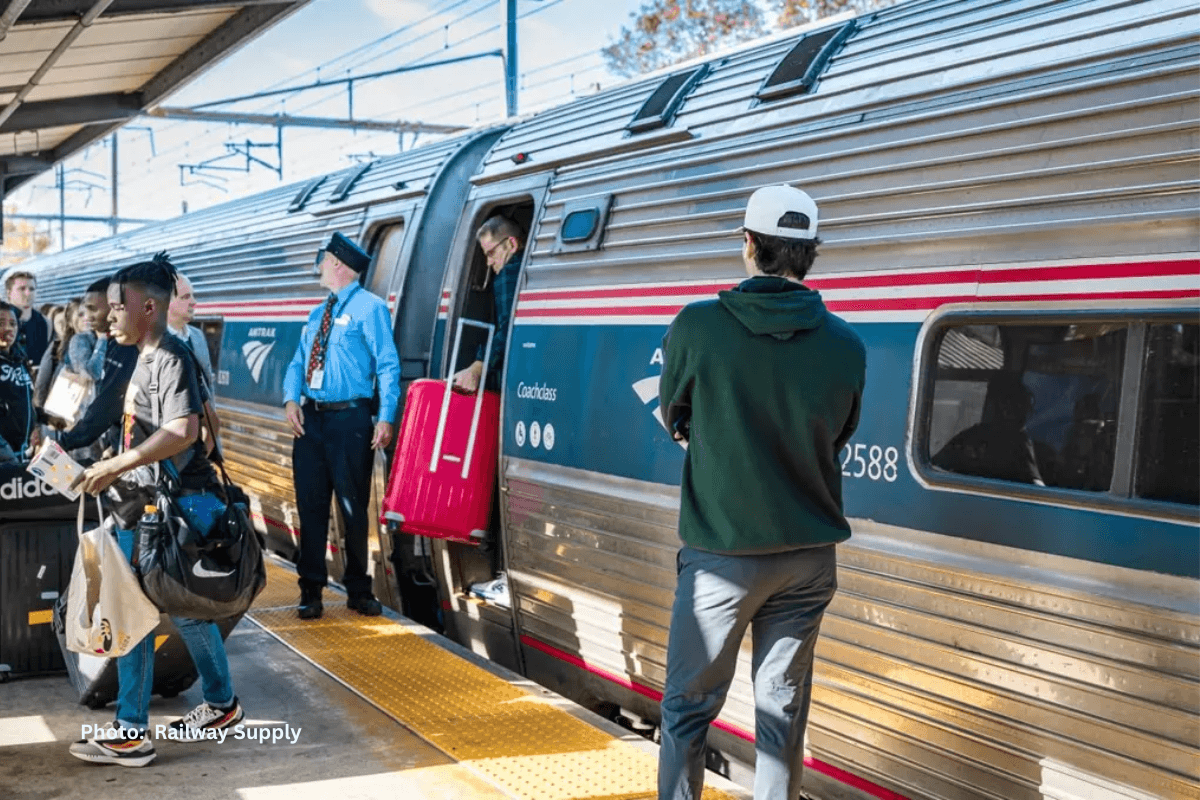
A cessation of service would significantly impact regional mobility, as the LIRR facilitates approximately 250,000 passenger trips every weekday. For the rail sector, this highlights the ongoing challenge of balancing fiscal constraints with the rising costs of skilled labor in high-density transit environments. Stakeholders are closely monitoring the situation, as the outcome will likely set a precedent for future collective bargaining agreements across other major North American transit agencies.
Historical precedents in the New York transit landscape suggest that while 'unbridgeable' gaps are often cited during the final hours of negotiation, the economic cost of a total shutdown usually drives both parties toward a settlement. Current contingency plans, including limited shuttle bus services and telecommuting advisories from state leadership, underscore the difficulty of replacing high-capacity rail throughput with alternative transport modes. This situation serves as a reminder of the critical role that labor relations play in maintaining the reliability of essential public infrastructure.
As the industry moves toward greater automation and efficiency, the human element of rail operations remains a primary factor in service continuity. The resolution of this dispute will reflect broader trends in how transit authorities manage labor costs while attempting to recover and grow ridership in a post-pandemic economic environment. Ensuring long-term labor stability is essential for the continued investment in and expansion of regional rail networks.
Source: PBS/Associated Press
LIRR Labor Negotiations: Potential Shutdown Threatens North America’s Busiest Commuter Network

Engineering Business Management
Share this story
The stability of major metropolitan transit corridors remains a critical concern for regional economic resilience and infrastructure management. North America’s largest commuter rail system currently faces a potential operational shutdown as a critical deadline approaches for contract negotiations with its unionized workforce.