KUALA LUMPUR, January 2026 — The financial viability of urban mass transit systems is a critical and enduring issue for governments and operators across Asia. These entities face the challenge of providing essential public services while concurrently ensuring economic sustainability. In Malaysia, Rapid Rail Sdn Bhd, a prominent operator responsible for managing six rapid transit lines within the Klang Valley, has recently highlighted these complexities through its financial disclosures.
For the fiscal year 2025, Rapid Rail reported an unaudited deficit amounting to RM603 million. The company's operating expenses reached RM1.3 billion, which reflects the increasing financial pressures associated with mass transit operations. In contrast, total revenue was recorded at RM721.5 million, with RM694.8 million resulting from fare collections and an additional RM26.7 million derived from non-fare income sources, such as advertising and commercial partnerships.
Furthermore, the financial impact of extending services for major events has also been noteworthy. Rapid Rail incurred operational costs of RM1.8 million for these service extensions while generating only RM480,000 in additional fare revenue. This significant gap underscores the difficulties of balancing service enhancements with financial responsibilities.
Additionally, the persistent issues of theft and vandalism pose considerable risks to operational continuity and safety within the rail system. Such criminal activities have resulted in both service interruptions and substantial financial losses. Notably, since 2023, cable theft has led to an estimated loss of RM20.6 million for Prasarana Malaysia Bhd, the parent company of Rapid Rail, with incidents increasing by 68% from 2024 to 2025.
In response to these escalating concerns, the Malaysian government is currently undertaking a review of penalty rates under the Land Public Transport Act 2010, with the aim of implementing deterrents against theft and vandalism. This initiative highlights a recognition of the necessity for enhanced security measures to safeguard infrastructure and ensure passenger safety.
These interconnected financial and security challenges underscore the complexities faced by rail networks in the region. Addressing these issues necessitates a comprehensive and multifaceted approach, which should include not only strengthened security protocols and effective cost management but also exploration of diversified revenue streams. Implementing such strategies is essential for ensuring the long-term sustainability and reliability of public transportation infrastructure, thereby fostering public confidence and supporting overarching urban mobility objectives.
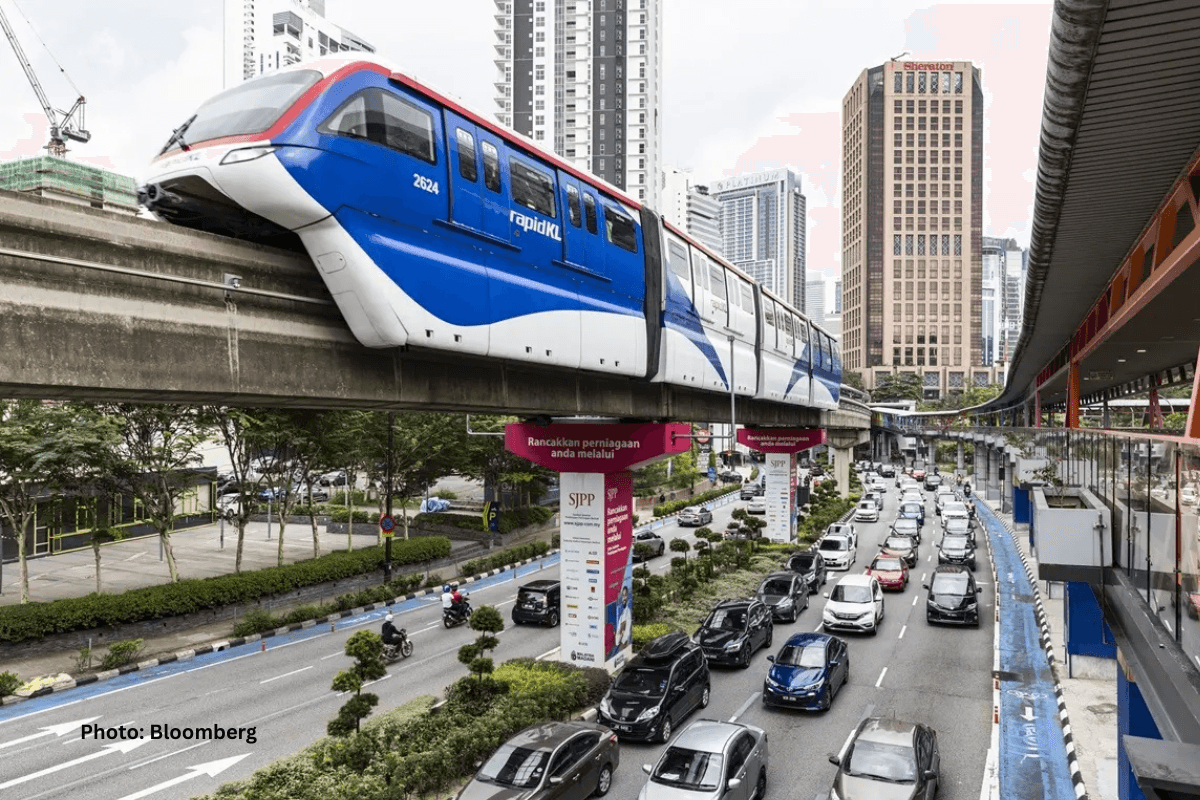
Malaysian Rail Operator Faces RM603 Million Deficit Amidst Operational Cost Pressures

Engineering Business Management
Share this story
Ensuring the financial sustainability of urban rail networks across Asia remains a critical challenge. In Malaysia, Rapid Rail Sdn Bhd reported a substantial RM603 million deficit for 2025, underscoring the ongoing pressures of operational costs versus fare revenue.


