KUALA LUMPUR, February 2026 — In a move that may prompt re-evaluation of similar initiatives across Southeast Asia, Putrajaya Corporation has announced it will not proceed with its planned Automated Rail Transit (ART) system. This decision underscores the significant financial hurdles that can accompany the adoption of advanced urban mobility solutions.
The proposed trackless tram system, which underwent a pilot trial from May to July 2024, was deemed too expensive for implementation. Preliminary studies estimated costs at RM211.95 million over a decade, a figure deemed beyond the local authority's financial capacity. The ART system was designed to accommodate up to 307 passengers and reach speeds of 70 km/h.
This cancellation highlights the delicate balance between technological advancement and fiscal responsibility in public transport development. For other cities in the region considering similar ART or trackless tram technologies, this serves as a cautionary tale regarding the substantial investment required for infrastructure, operations, and maintenance.
While the project has been shelved, Putrajaya Corporation has indicated it remains open to future public transport planning, provided financial capacity and allocation approvals are secured. The initial trial aimed to complement the existing transport network and contribute to a target of 70% public transport usage.
The Putrajaya ART cancellation reflects a broader industry challenge in Asia: how to fund and deploy innovative, sustainable transit solutions that meet growing urban demands without imposing unsustainable financial burdens. It emphasizes the need for meticulous cost-benefit analyses and robust funding strategies for future infrastructure projects.
Source: paultan.org
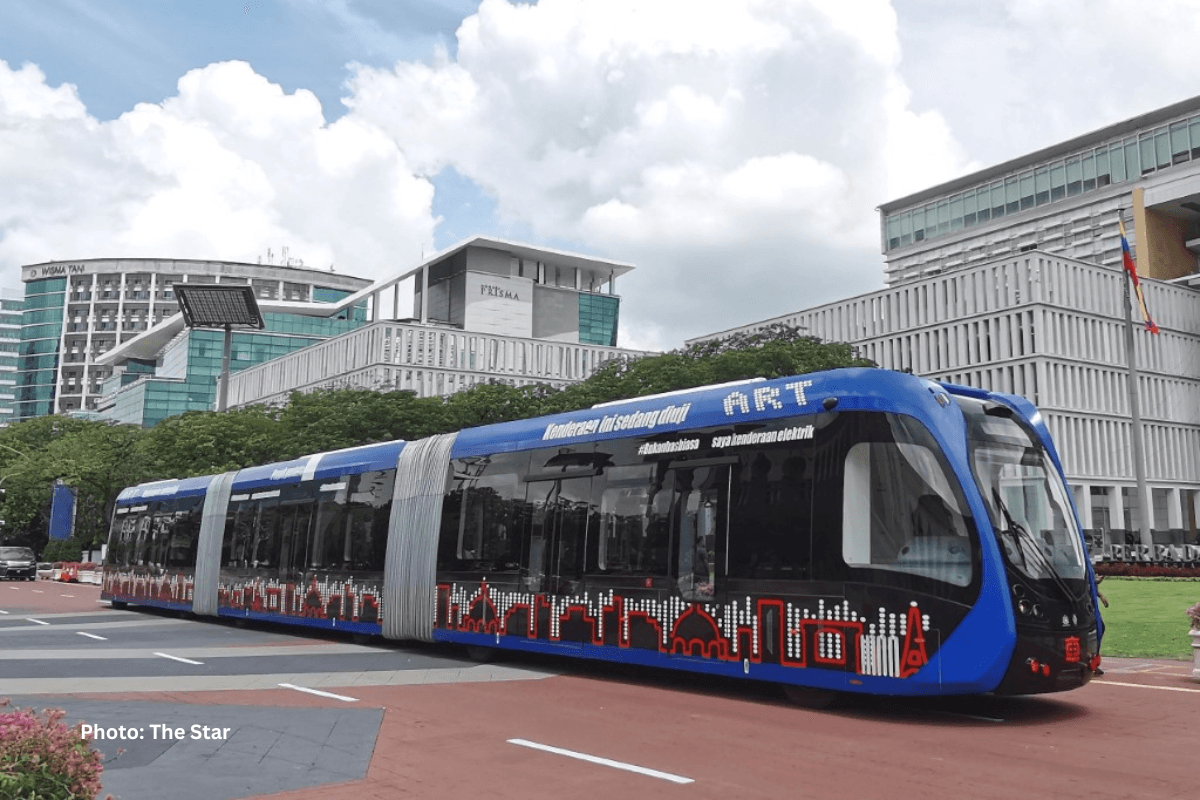
Putrajaya Cancels Automated Rail Transit Project Amid Cost Concerns

Engineering Business Management
Share this story
As Asian cities increasingly explore innovative public transport solutions, Putrajaya Corporation has halted its proposed Automated Rail Transit (ART) system. The decision stems from prohibitive implementation costs, signaling a critical review of financial viability for new transit technologies.


