BANGKOK, June 2026 — The State Railway of Thailand (SRT) has approved the extension of multiple rail operation and maintenance contracts covering key urban and intercity rail services. The move is intended to maintain uninterrupted operations while authorities complete procurement and transition processes for longer-term agreements.
The contract extensions primarily affect rail services operating under SRT oversight, ensuring that existing operators can continue managing train services, maintenance activities and supporting operations beyond their original contract periods. SRT officials stated that the extensions are necessary to prevent service disruptions and provide sufficient time for the preparation of new contractual arrangements.
The decision comes as Thailand continues investing heavily in rail infrastructure, including the expansion of suburban rail services, double-tracking projects and high-speed rail developments. Maintaining stable operations is considered essential as passenger demand grows and new infrastructure is progressively integrated into the national rail network.
For industry stakeholders, the extensions highlight the operational challenges associated with transitioning between service contracts on complex rail systems. Similar measures are commonly used internationally to ensure continuity of service while procurement processes, regulatory approvals and commercial negotiations are completed.
The latest contract renewals reflect Thailand's broader efforts to strengthen rail transport as a core component of its national mobility strategy. As major infrastructure projects advance, effective operational management and contract governance will remain critical to supporting network reliability, passenger confidence and future rail growth.
Source: Bangkok Post
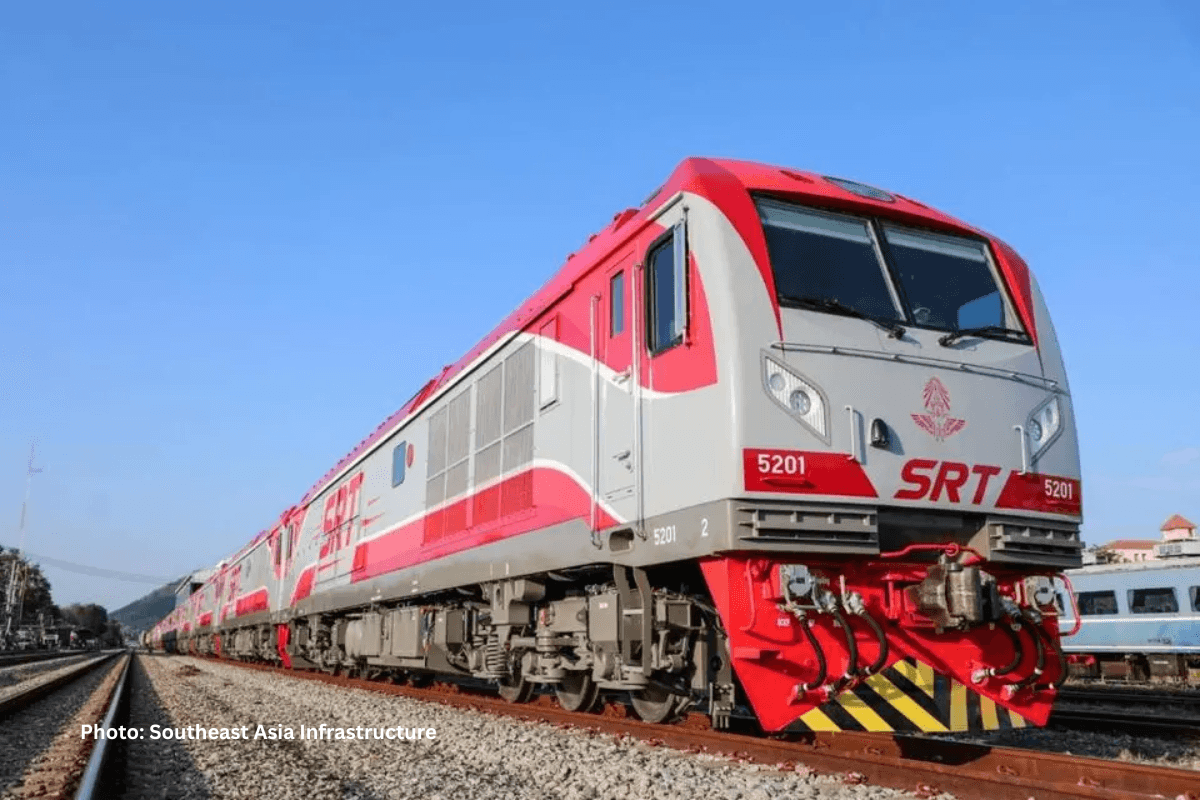
Thailand Extends Rail Service Contracts to Maintain Operations

Engineering Business Management
Share this story
As rail networks expand and modernise, governments are increasingly relying on interim contract extensions to ensure service continuity while long-term operating structures are finalised. Thailand has approved extensions for several rail service contracts, allowing key passenger operations to continue without disruption.


