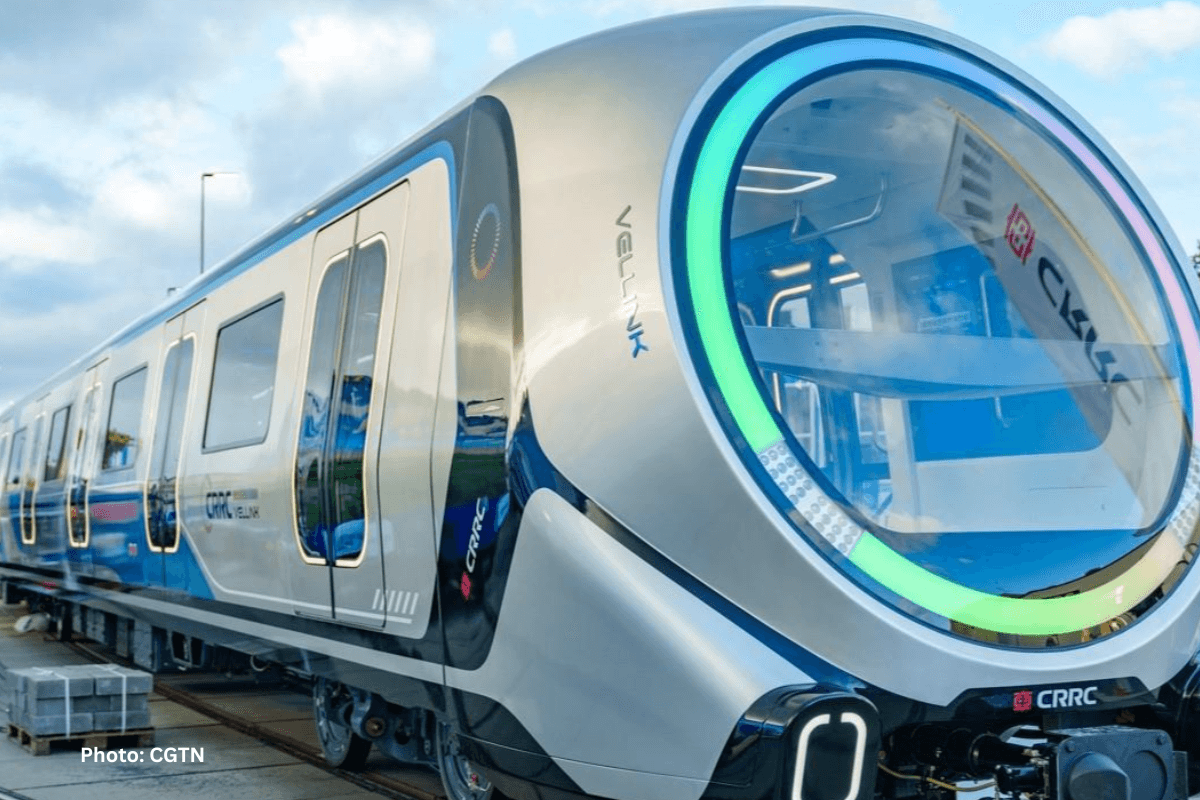
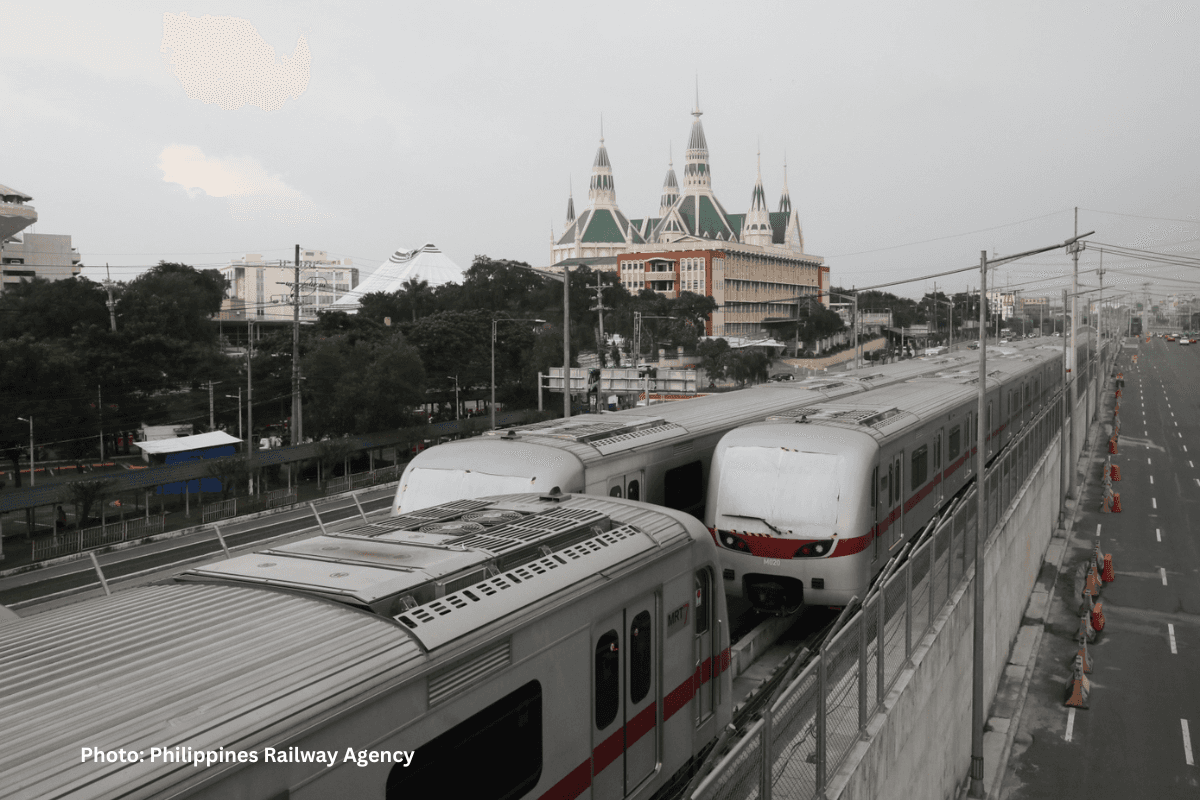
VIETNAM, March 2026 — Railway infrastructure is being positioned as a critical driver for Vietnam's economic advancement and integration into global trade networks. The development of high-speed rail lines is a key component of this strategy, aiming to enhance both domestic connectivity and international trade capabilities.
The nation has introduced a new high-speed rail service connecting Hanoi and Halong Bay, drastically reducing travel time to just 30 minutes. This initiative is designed to significantly improve travel convenience for both domestic and international visitors, thereby boosting the tourism sector.
Beyond tourism, the rail line is expected to strengthen cross-border connectivity with China's Guangxi Zhuang autonomous region. Officials anticipate that these improved rail links will lead to reduced logistics costs and facilitate Vietnam's integration into broader Asia-Europe supply chains, elevating its standing in regional trade.
To Lam, general secretary of Vietnam's Communist Party Central Committee, has described railway infrastructure as a "strategic breakthrough for economic development and bilateral trade with China." This sentiment is echoed by the National Authority of Tourism, which forecasts up to 23 million foreign arrivals by the end of 2025, supported by visa reforms and enhanced infrastructure.
This investment in high-speed rail aligns with global trends where nations are leveraging advanced transportation infrastructure to stimulate economic growth, improve trade efficiency, and attract international tourism, positioning Vietnam for greater regional and global economic engagement.
Source: Travel Tomorrow
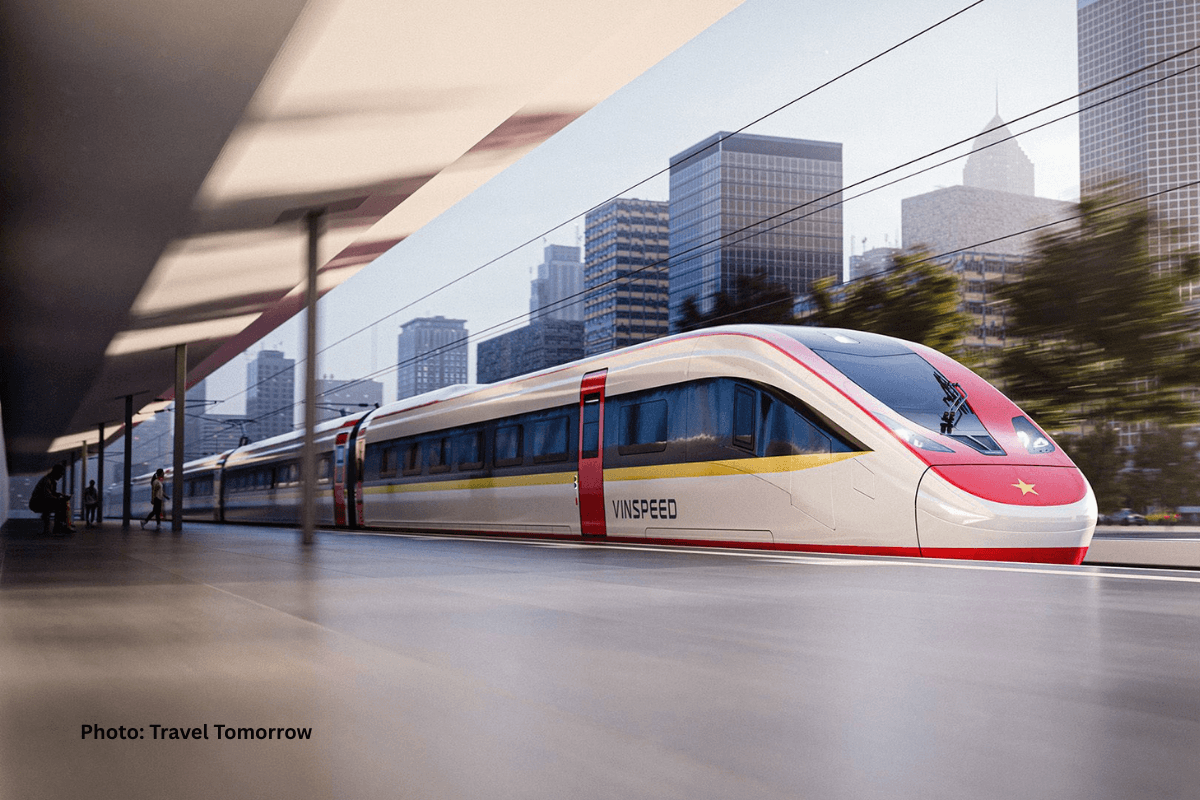
Vietnam's High-Speed Rail Expansion Enhances Regional Connectivity and Economic Growth

Engineering Business Management
Share this story
Vietnam is strategically investing in high-speed rail to bolster its economic development and tourism sector. The new Hanoi-Halong Bay line significantly cuts travel time, promising to reshape regional logistics and trade dynamics.