
Dec 4, 2025
MINDANAO RAILWAY PROJECT: A DEFINING OPPORTUNITY FOR NATIONAL PROGRESS
The Mindanao Railway Project (MRP) is no longer simply an infrastructure proposal. It is a national imperative, one that can redefine mobility, logistics, and economic integration across an island that major transport investments have long underserved. With land acquisition now progressing, relocation initiatives funded, and updated system designs being evaluated, the government is at a critical turning point. What happens next will determine whether MRP becomes a flagship achievement or another stalled vision.
This project requires disciplined policy execution, transparent decision-making, and unwavering inter-agency coordination. Anything less will undermine the gains finally being set in motion.
A Long-Awaited Vision That Must Transition to Implementation
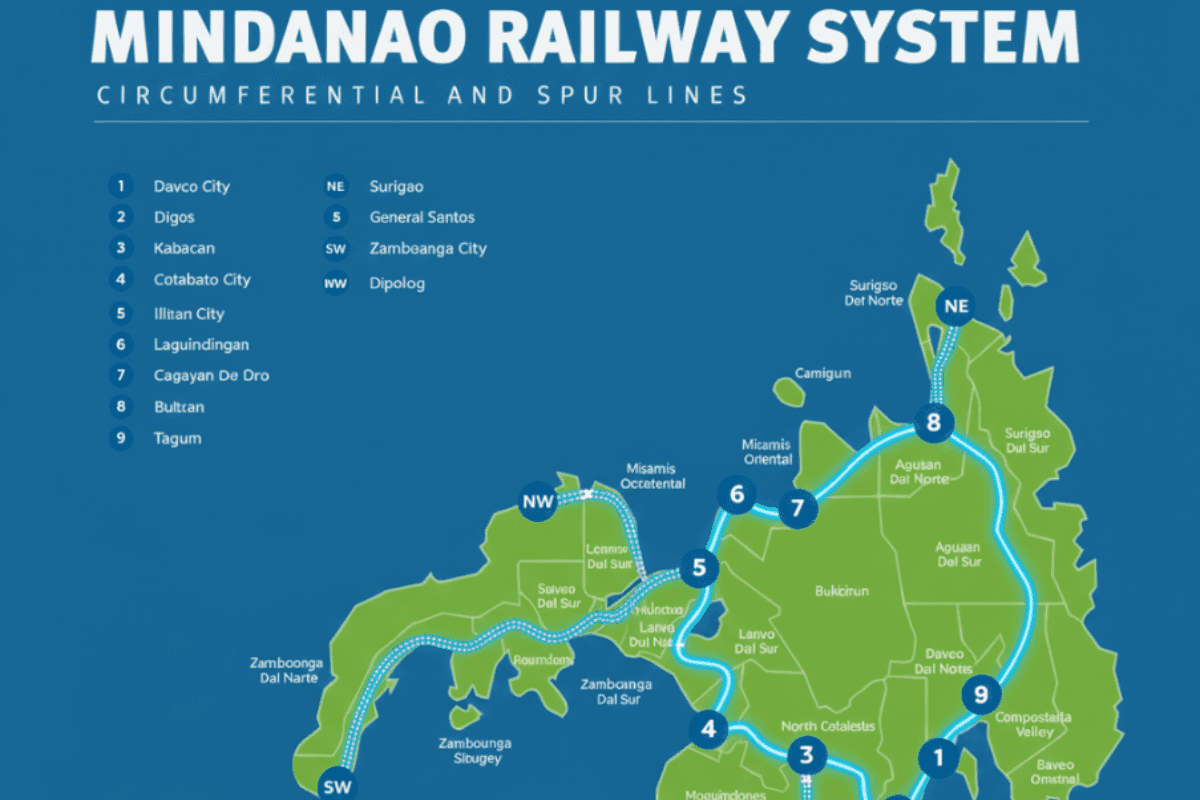
For decades, Mindanao has borne the burden of weak connectivity and fragmented transportation networks. The MRP’s Tagum–Davao–Digos (TDD) segment offers a practical entry point to reverse that history. With more than 100 kilometres of planned rail infrastructure, the TDD line has the potential to significantly reduce travel time, enhance commercial linkages, and stimulate regional economic flows.
However, the broader goal extends far beyond commuter mobility. The full MRP master plan positions the railway as the backbone of intercity transport and freight movement, linking agricultural zones, industrial centres, and port facilities. This is the level of integration Mindanao has needed for decades; the country must commit to it with clarity and policy rigour.
Encouraging Momentum That Must Be Firmly Guarded
The government’s ongoing right-of-way acquisition and the establishment of the Tagum Train Village demonstrate that long-discussed commitments are finally being translated into action. These developments represent more than administrative milestones; they signal a shift toward actual delivery.
The reassessment of the system’s technical standards is equally significant. The consideration of dual-track, electrified rail with freight capability represents a recognition that Mindanao deserves a future-ready system, not a minimal, short-term solution. This shift reflects a more strategic understanding of Mindanao’s long-term economic needs, and policymakers must ensure that modern standards are adopted, funded, and implemented without dilution.
Financing discussions, including public–private partnership (PPP) options, show adaptive thinking. But these models must be structured carefully. Policy discipline is essential to ensure that private involvement enhances operational efficiency without compromising public accessibility or socio-economic goals.
Challenges That Require Strong Policy Responses
The MRP’s progress is undeniable, but critical challenges remain. These challenges are manageable, but only if met with firm policy direction.
Design finalisation must be accelerated. A project of this scale cannot operate under shifting or partially defined specifications. The absence of a unified, updated, and publicly accessible master plan risks creating confusion, inefficiency, and avoidable delays. Clear technical decisions must be locked in, communicated, and defended.
Financing clarity is equally essential. As PPP options are evaluated, policymakers must ensure that affordability, service quality, and long-term public interest are safeguarded. Transparent contracting and robust regulatory oversight are non-negotiable.
Resettlement must remain humane and well-supported. The relocation of affected families should not be viewed as a procedural requirement, but rather as a social obligation. Stable housing, basic services, and livelihood support must be delivered consistently and transparently.
Long-term governance is the final piece. MRP cannot be vulnerable to administrative transitions or shifts in political priority. A strong institutional structure, capable of providing technical oversight, policy continuity, and operational accountability, is critical to long-term success.
Why MRP Is Central to Mindanao’s Economic Future
The strategic value of MRP is immense. Improved rail connectivity can reduce transport costs, accelerate the movement of goods, and enhance the competitiveness of Mindanao’s
Related Post

Latest Post




Subscribe Us
Get Subscribe To Our Latest News & Update