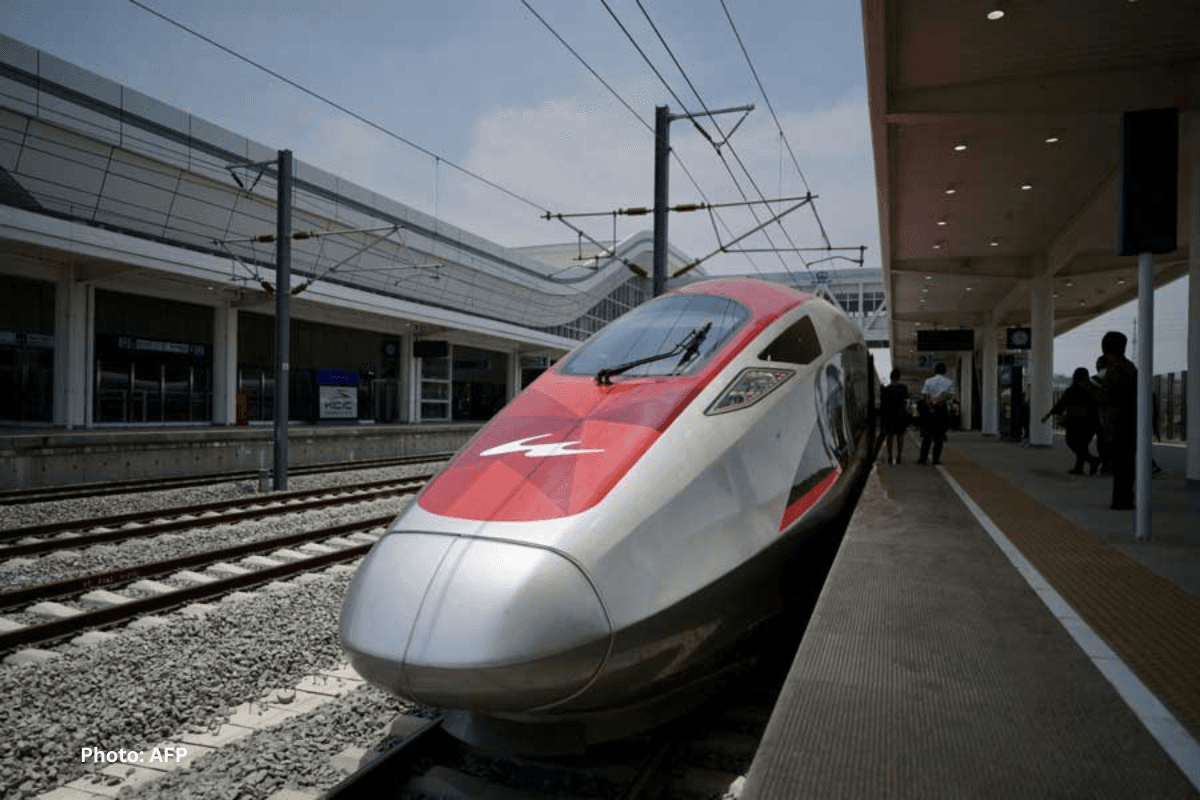
TOKYO, March 2026 — The strategic development of high-speed rail infrastructure is increasingly demonstrating its capacity to disrupt established transportation markets. This trend is particularly evident in the competitive landscape between air and rail travel for medium-distance routes.
Air China, the nation's primary air carrier, has announced its sixth consecutive annual net loss. The company explicitly cited intensifying competition from an expanding high-speed rail network as a primary factor contributing to its financial performance.
This situation underscores the growing influence of rail transport in capturing market share previously dominated by airlines. For the rail sector, it signifies a successful expansion and a viable alternative for passenger transit, while posing significant challenges for aviation industry stakeholders.
Beyond the direct competition from rail, the aviation industry also faces headwinds from ongoing geopolitical tensions, which can impact operational costs and passenger confidence. This dual pressure highlights the complex operating environment for major carriers.
The ongoing success of high-speed rail in challenging air travel reflects a broader global trend towards integrated transportation strategies and a potential modal shift, driven by efficiency, environmental considerations, and strategic infrastructure investment.
Source: Nikkei Asia
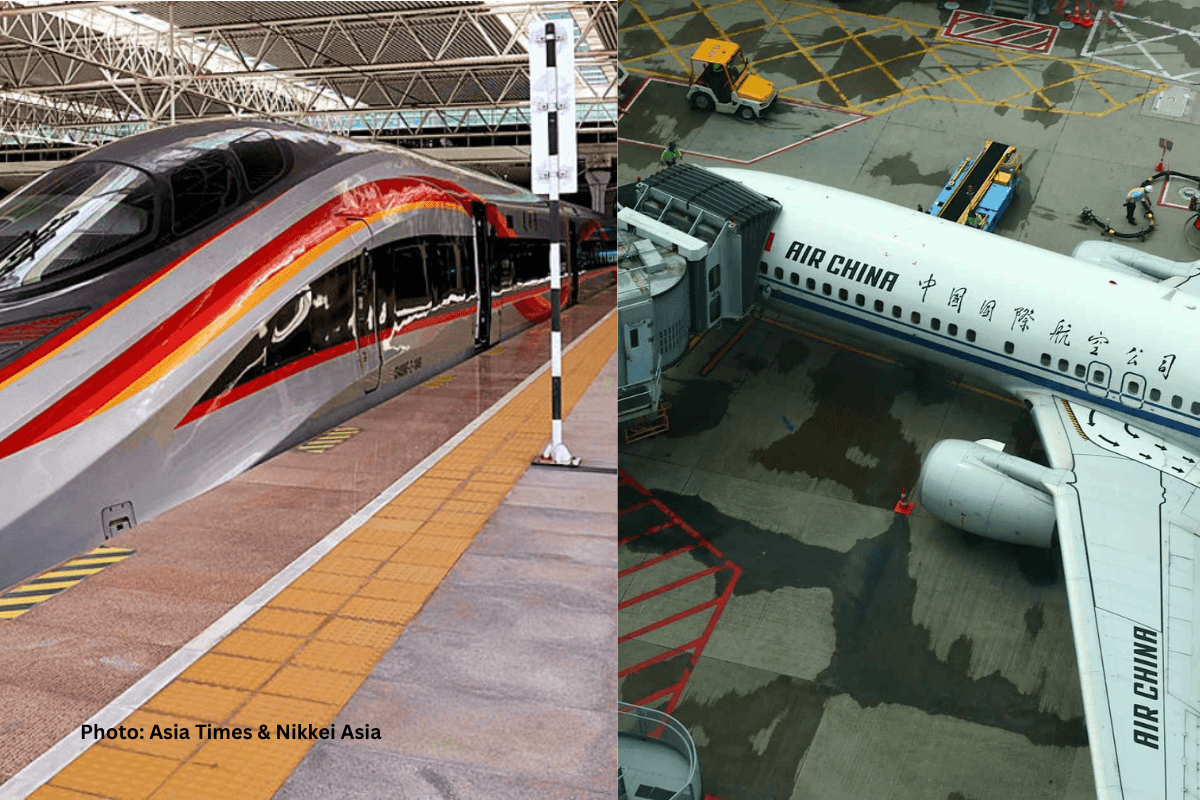
Air China Faces Sixth Annual Loss Amidst Rising High-Speed Rail Competition

Engineering Business Management
Share this story
The expansion of high-speed rail networks continues to reshape intercity travel dynamics. Air China has reported its sixth consecutive annual net loss, directly attributing the financial downturn to increased competition from these burgeoning rail services.