TOKYO, April 2026 — Japan Railways Group companies have announced a revision to the pricing of the Japan Rail Pass, an unlimited-ride ticket widely used by foreign tourists, with new fares taking effect from October 1 2026. This marks the first price adjustment for the pass since 2023.
Under the new pricing structure, adult Japan Rail Pass fares will increase by roughly 5 %–6 % across validity periods. For ordinary carriages, a seven-day pass will rise by ¥3,000 to ¥53,000, a 14-day pass will increase by ¥4,000 to ¥84,000, and a 21-day pass will go up by ¥5,000 to ¥105,000. Premium Green Car options will also see proportionate increases.
The price revision reflects cumulative fare adjustments implemented by several JR Group member companies in recent months, including a March fare increase by East Japan Railway Co. that raised base local fares. The Japan Rail Pass continues to cover travel on most JR-operated trains, including limited express, express, rapid and local services, as well as shinkansen bullet trains with some exceptions.
While tailored for foreign visitors holding “temporary visitor” status, the pass remains a key component of Japan’s tourism and rail demand strategy, offering broad network access and supporting intercity travel flows. Operators have also signalled limited-time pricing incentives for passes purchased through official online channels to encourage direct digital sales.
This planned adjustment aligns with wider trends in rail revenue management and tourism-linked mobility products, with operators balancing affordability for passengers against operational cost pressures and evolving travel patterns.
Source: Nikkei Asia
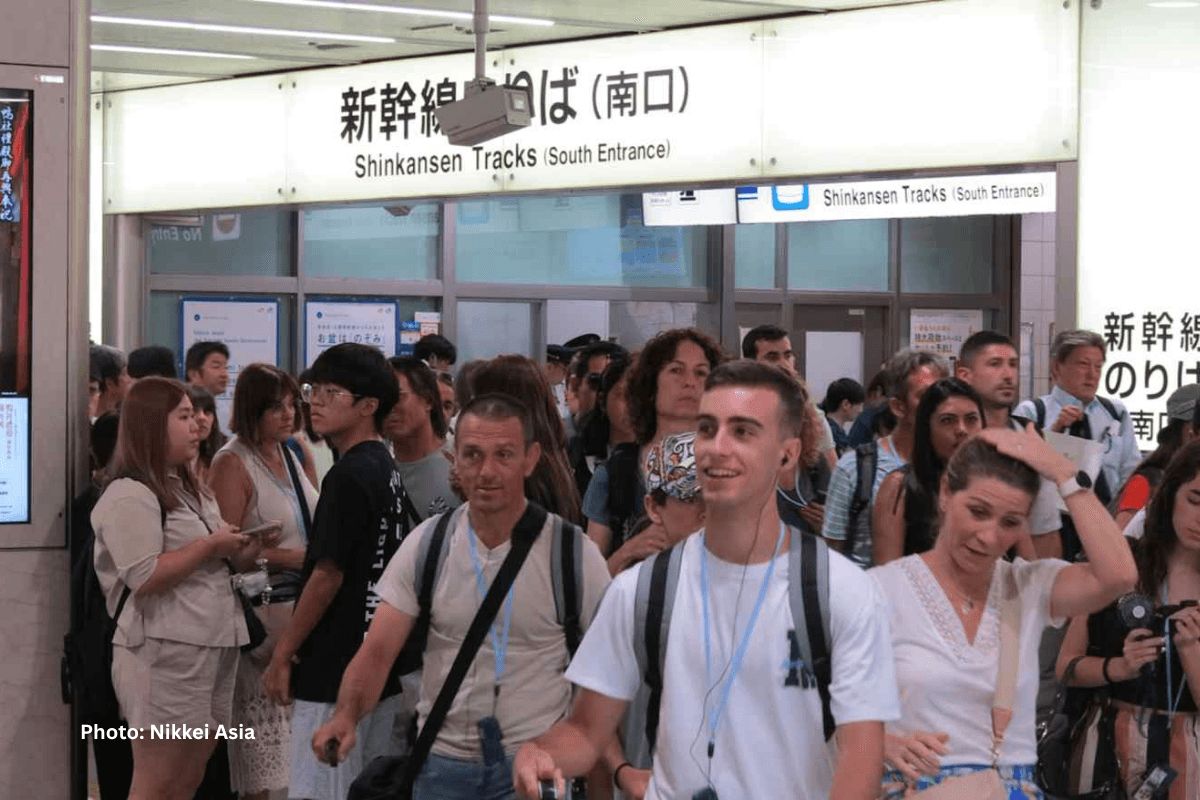
Japan Rail Pass Fare Increase Set for October Implementation

Engineering Business Management
Share this story
Japan’s rail industry continues to adjust travel products in line with broader post-pandemic demand recovery and fare structure updates. From October 1 2026, the Japan Rail Pass a flagship "all-you-can-ride" ticket used predominantly by international visitors, will see its prices raised for the first time in three years, reflecting fare adjustments across the Japan Railways (JR) Group network and shifts in cost structures. The change has implications for long-distance passenger forecasts and tourism-linked rail demand.