BANGKOK, April 2026 — Thailand’s Transport Ministry is restructuring the urban rail system to consolidate key mass transit lines under one ownership framework, enabling a unified fare policy. This initiative will introduce a 40-baht flat fare cap for Bangkok's rail network, expected to take effect in 2027.
The plan includes four public-private partnership (PPP) concessions: the BTS Green Line, MRT Blue Line, and the Pink and Yellow monorail lines. Negotiations with the operators of the Bangkok Mass Transit System (BTSC) and the Bangkok Expressway and Metro (BEM) are expected to start in May 2026.
A key aspect of this reform is shifting from a “net cost” concession model, in which private operators collect fare revenue, to a “gross cost” structure, in which the state assumes fare revenue risk. This allows for standardised ticketing through a single EMV-based payment system and a unified fare structure.
The buyback process will not rely on direct budget spending; instead, existing contracts may be renegotiated. Preliminary valuations of rail assets and contracts are around 140 billion baht.
This reform aims to improve interoperability and convenience across Bangkok’s fragmented rail network. By implementing a unified fare system and integrated ticketing, authorities hope to simplify transfers and boost ridership. If successful, Thailand’s model could serve as a reference for other Southeast Asian cities facing similar challenges.
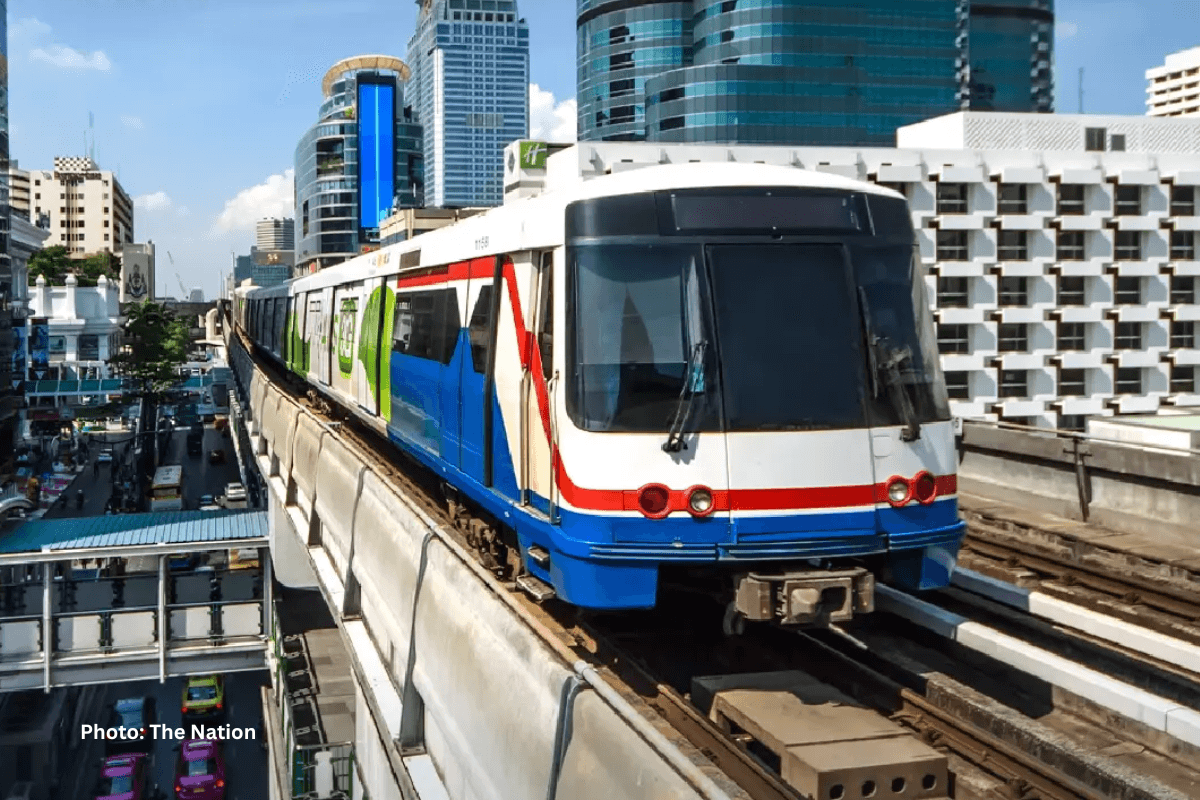
Thailand Advances Rail Consolidation Through Fare Integration Reform

Engineering Business Management
Share this story
Urban rail systems in major Asian cities are increasingly shifting toward integrated fare structures and unified network governance. Thailand is now accelerating plans to consolidate multiple rail concessions under state oversight while introducing a capped single-fare system across Bangkok’s rail network.


