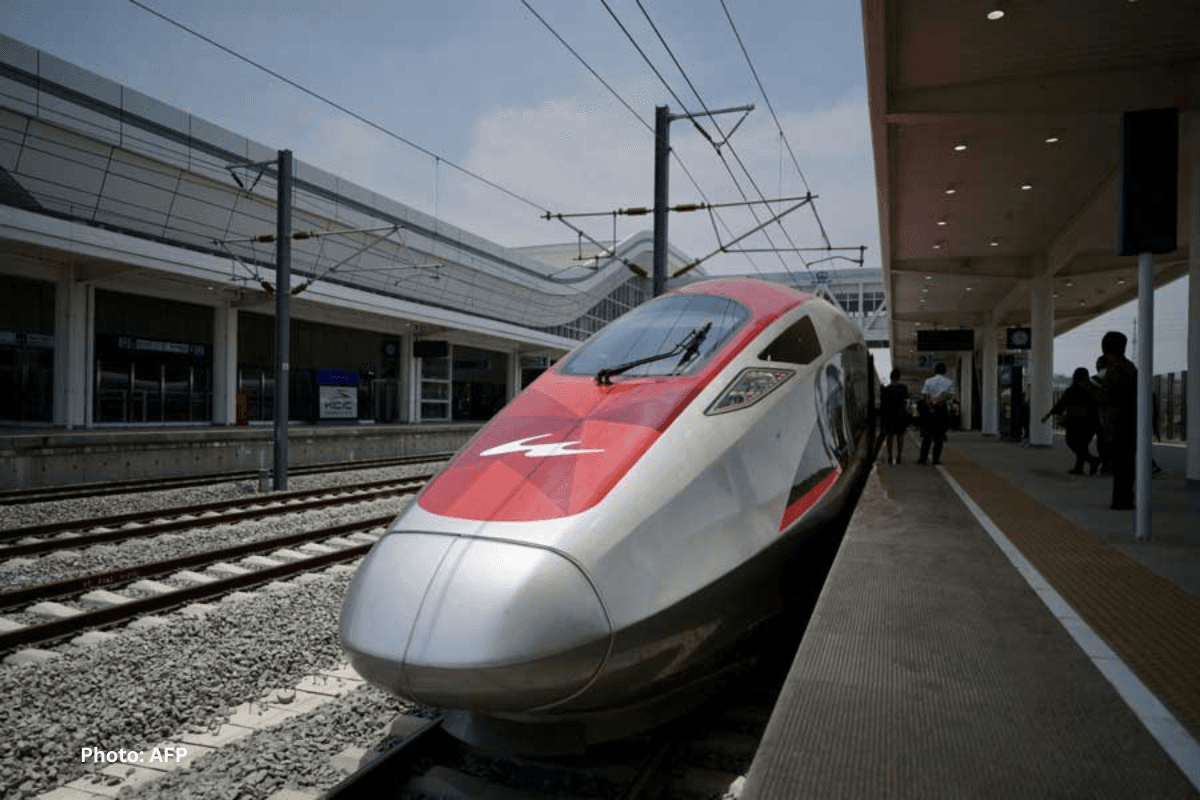
JAKARTA, April 2026 — Indonesia’s Finance Minister Purbaya Yudhi Sadewa addressed speculation around a potential takeover of the Whoosh high-speed rail operator by reaffirming that discussions remain centred on equity acquisition in KCIC, the joint venture managing the Jakarta–Bandung high-speed rail project.
The discussion follows consultations with Danantara, the state investment vehicle, on resolving long-standing financial and delivery issues related to the high-speed rail scheme. While the Finance Ministry has not formally confirmed the timeline or specifics of the acquisition, authorities indicate a resolution is imminent.
Despite changes in shareholding structure, operations of the high-speed rail will continue to be run by KCIC and PT Kereta Api Indonesia (KAI), reflecting the government’s strategy to keep operational expertise within established rail entities. KAI’s core business focus on rail services has been cited as a key reason for maintaining this setup.
Officials emphasise that the share acquisition and accompanying debt restructuring efforts are intended to strengthen the project’s financial footing, with minimal disruption to current services and potential improvements in service quality through a more sustainable financing framework.
This development underscores broader trends in public-sector involvement in major infrastructure projects where governments step in to stabilise strategic transport assets, balancing financial risks with the need to ensure operational continuity and investor confidence.
Source: IDN Financials
Indonesia Nears KCIC Share Acquisition While High-Speed Rail Operations Stay With KAI

Engineering Business Management
Share this story
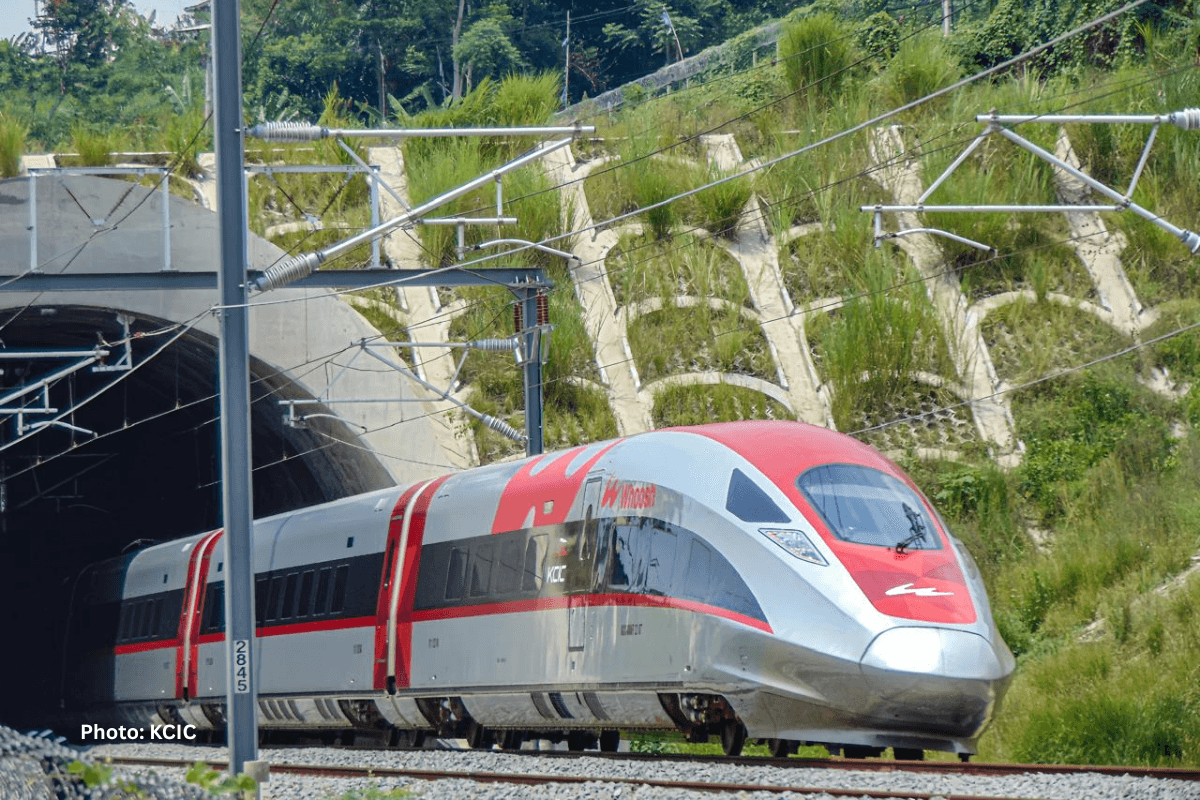
Indonesia’s government is actively evaluating structural adjustments within the Jakarta–Bandung high-speed rail project amid ongoing financing and delivery challenges. The Ministry of Finance is preparing to acquire shares in PT Kereta Cepat Indonesia China (KCIC), while high-speed rail operations under the Whoosh brand are confirmed to remain under existing rail operator management, ensuring continuity of services.