BRISBANE, June 2026 — The modernization of the North Coast Line represents a pivotal shift in Australia’s approach to rail capacity and safety management. By moving away from legacy systems, the Queensland Government is prioritizing a digital-first framework that aligns with international standards for mainline rail operations.
Under the terms of the agreement, Alstom will design, supply, and commission its ONVIA Control ETCS Level 2 trackside signalling for the Sector 1 North portion of the Sunshine Coast line. A notable technical requirement of the project is the integration of a 5G digital radio system, provided by a nominated third party, which will facilitate high-speed data transmission between trackside infrastructure and rolling stock. This first phase of the €214 million frame contract focuses on both greenfield and complex brownfield sections, requiring seamless coordination with existing Queensland Rail services.
For industry stakeholders, the project serves as a blueprint for large-scale digital transformation within a live operating environment. The implementation of ETCS Level 2 is expected to significantly enhance network reliability and safety while providing the necessary throughput to support the anticipated surge in passenger demand during the 2032 Olympics. Furthermore, the collaborative delivery model involving civil contractors and the network operator highlights the increasing complexity of modern rail procurement and execution.
Alstom’s deployment of the ONVIA Control platform in Queensland draws on its extensive global experience, with the system already operational across thousands of kilometers in over 35 countries. Beyond the technical installation, the contract includes the establishment of a Queensland Mobility Supply Chain Centre of Excellence. This initiative is designed to foster local expertise through apprenticeships and partnerships with academic institutions, ensuring that the technical skills required to maintain digital rail systems remain within the local economy.
This contract underscores a broader industry trend toward the 'sectorisation' of rail networks, where digital signalling acts as the backbone for more flexible and efficient service delivery. As Queensland prepares for its role on the global stage, the investment in interoperable, mature technology platforms like ETCS Level 2 reflects a commitment to long-term infrastructure resilience and technological sovereignty in the transport sector.
Source: Alstom
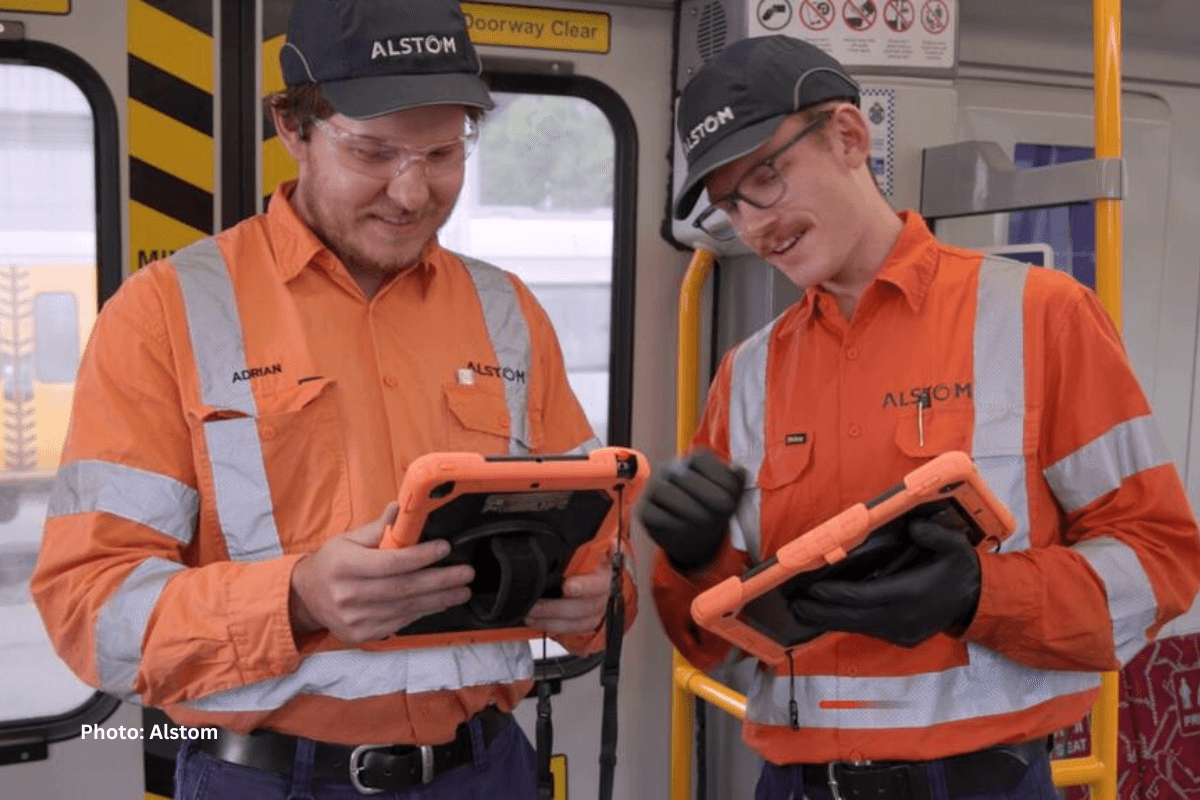
Alstom Secures Major Digital Signalling Contract for Queensland’s Sunshine Coast Rail Expansion

Engineering Business Management
Share this story
As global rail networks transition toward digital interoperability, the integration of advanced signalling systems is becoming a prerequisite for high-capacity urban transit. Alstom has been awarded the initial €69 million tranche of a larger €214 million frame contract to deploy ETCS Level 2 technology for Stage 1 of Queensland’s “The Wave” program. This development marks a critical step in modernizing the region’s rail infrastructure ahead of the Brisbane 2032 Olympic Games.


