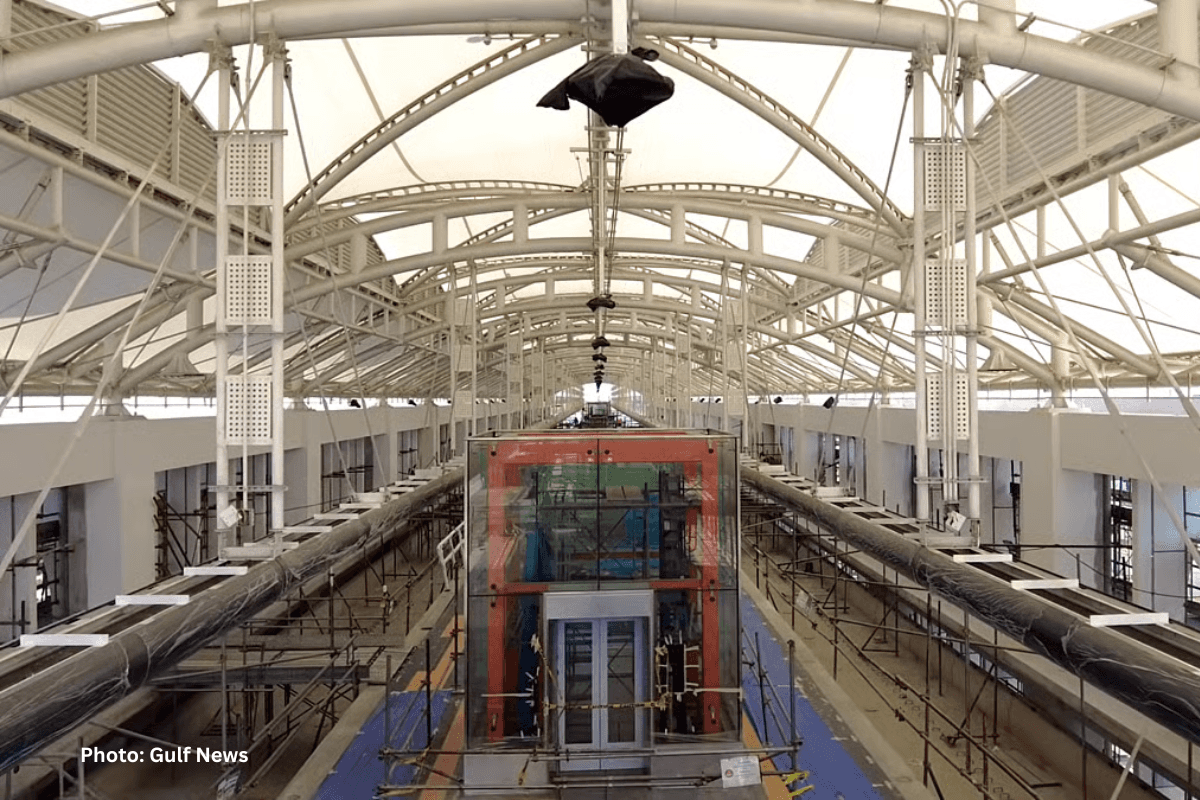
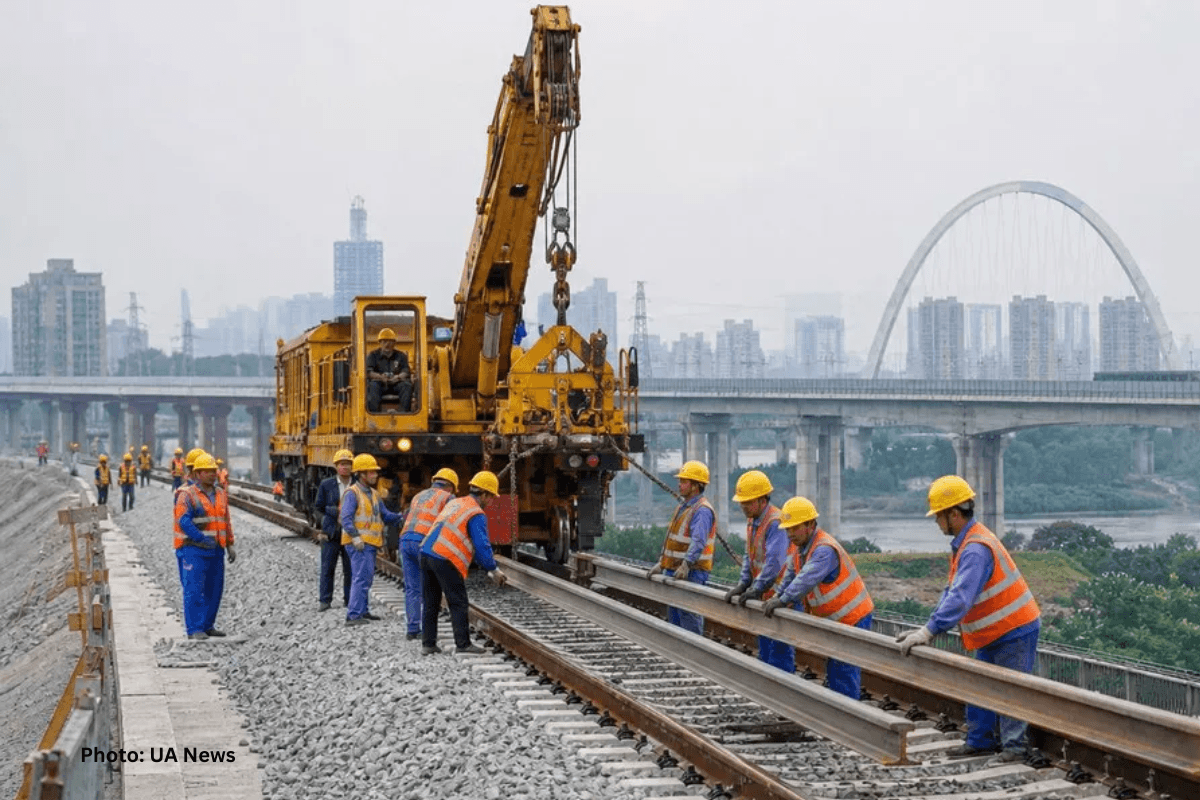
ASTANA, May 2026 — The introduction of light rail transit in Kazakhstan’s capital marks a significant shift toward high-capacity, fixed-guideway solutions designed to alleviate urban congestion. This development aligns with broader national goals to modernize municipal services and reduce the environmental footprint of the city's growing population.
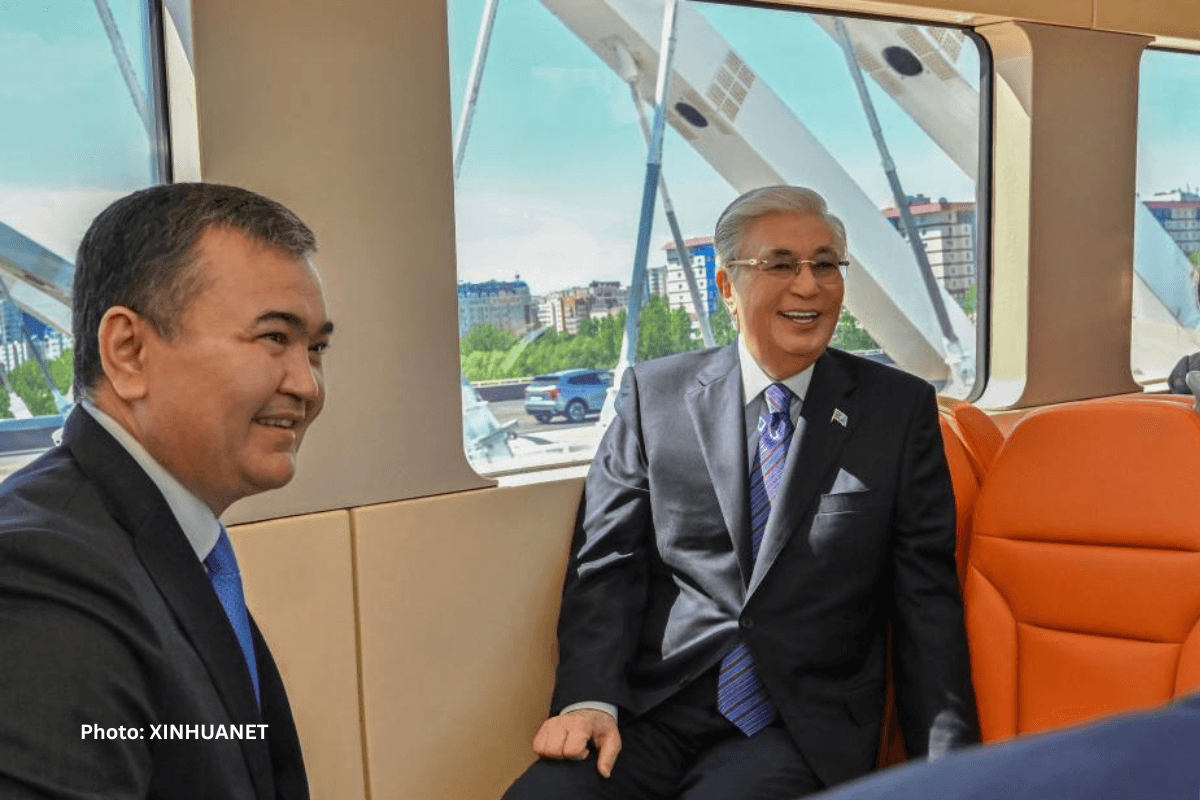
The initial phase of the network spans 22.4 kilometers and incorporates 18 stations, providing a critical link across key districts of the capital. President Kassym-Jomart Tokayev attended the opening ceremony on 16 May, where passenger operations commenced immediately under the supervision of specialized transport staff to ensure operational reliability from day one.
For industry stakeholders, the project underscores the viability of large-scale rail investments in the region and highlights the strategic importance of Astana as a transit node. The successful delivery of this phase, supported by Chinese technical partners, demonstrates the effectiveness of international cooperation in executing complex infrastructure projects within the Eurasian corridor.
Beyond the immediate operational benefits, the government is already evaluating a second phase of expansion to further integrate the city’s transit web. This forward-looking approach suggests a long-term commitment to rail as the primary driver of urban mobility, positioning the capital as a central hub for regional transport and logistics.
This project reflects a global trend where emerging economies prioritize rail infrastructure to support rapid urbanization and economic diversification. As the system matures, its integration into the wider Eurasian transport network will likely serve as a model for similar capital city developments across the continent.
Source: Railway News
Astana Launches First Phase of Strategic Light Rail Transit Network

Engineering Business Management
Share this story
The expansion of urban rail networks in Central Asia reflects a growing commitment to sustainable transit solutions and regional connectivity. Kazakhstan has officially inaugurated the first phase of the Astana light rail transit system, establishing a modern backbone for the capital’s public transportation infrastructure.