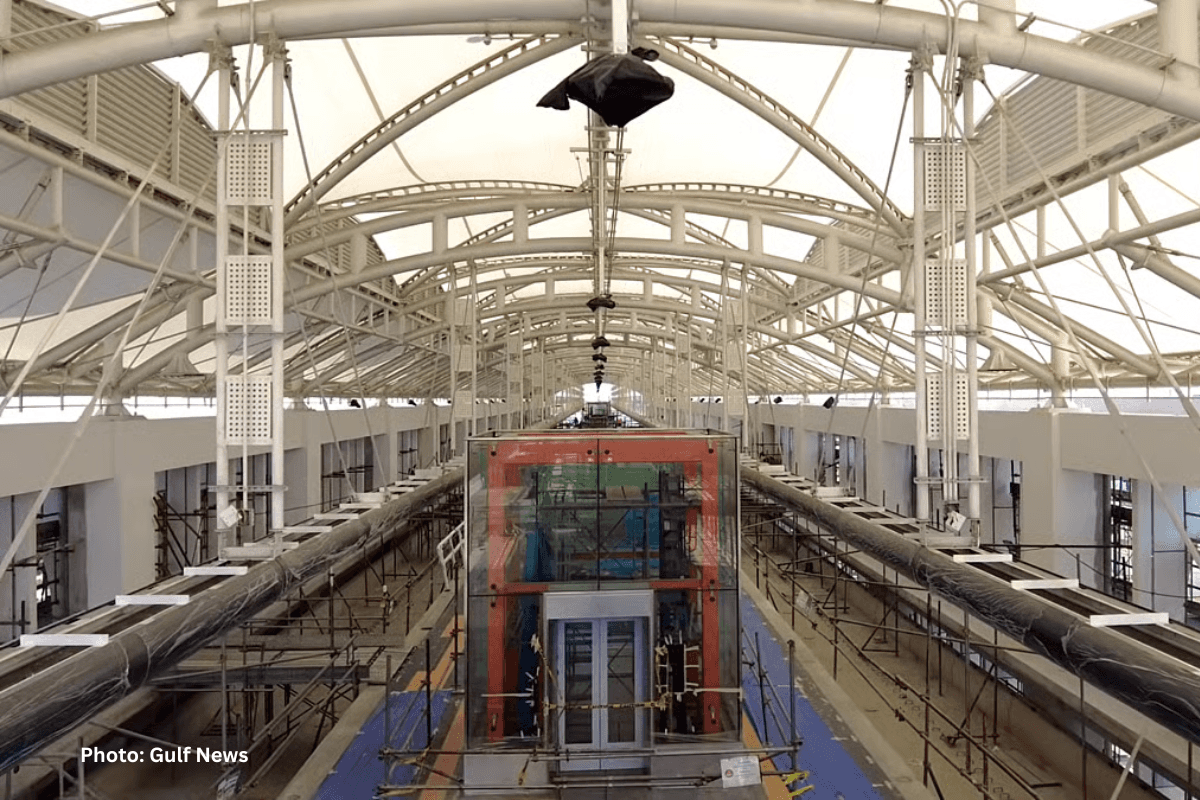
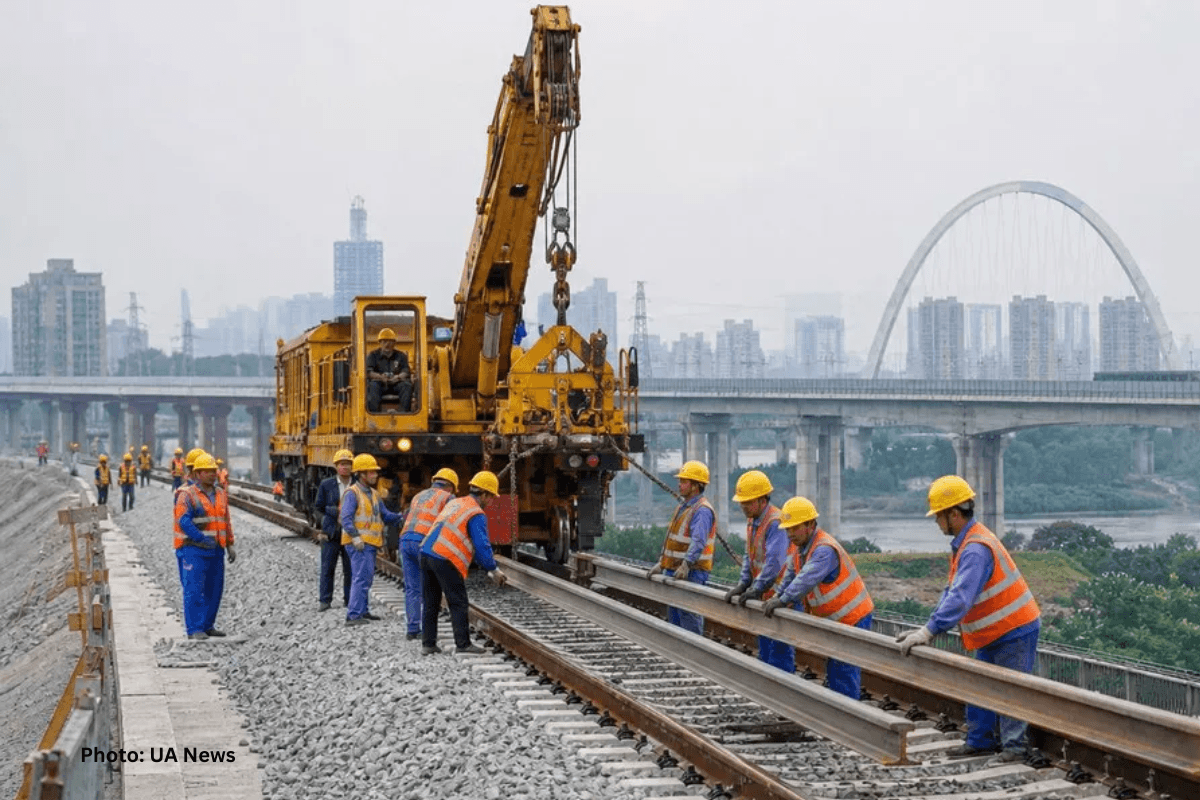
New Zealand, June 2026 — Auckland’s City Rail Link project is nearing completion as the city prepares for the opening of its first major underground rail connection. The 3.5 km twin-track tunnel will link Waitematā Station (Britomart) with Maungawhau Station, introducing new underground stations at Te Waihorotiu and Karanga-a-Hape while transforming the operation of Auckland’s existing rail network.
Beyond the rail tunnels themselves, the project has required extensive coordination with existing underground infrastructure, including utilities, transport systems, and historic structures beneath Auckland’s central business district. Building a major rail corridor in a dense urban environment requires detailed planning to manage conflicts with existing assets while ensuring the long-term reliability of the new railway system.
For the rail sector, the CRL demonstrates the technical complexity involved in delivering underground urban rail projects in established cities. Beyond excavation and construction, successful delivery depends on integration with existing networks, safety systems, signalling, power infrastructure, and future service operations. The project is expected to increase rail capacity and enable trains to operate through the city rather than terminating at a single central station.
The development reflects a wider global trend where cities are investing in underground rail infrastructure to address congestion, support population growth, and improve public transport accessibility. Similar projects require significant investment and long construction timelines due to challenges involving tunnelling conditions, urban disruption, and integration with existing infrastructure.
As Auckland moves toward the operational phase of the City Rail Link, the project highlights how modern railway developments are increasingly becoming integrated urban infrastructure systems. The success of the CRL will provide lessons for other cities planning underground transit expansions in dense metropolitan environments.
Source: RNZ

Auckland City Rail Link Reveals Hidden Infrastructure Beneath City Centre

Engineering Business Management
Share this story
Urban rail projects often involve complex underground engineering that extends beyond tunnels and stations, reshaping how cities manage utilities, transport systems, and future development. Auckland’s City Rail Link (CRL) is bringing a new underground railway to the city while highlighting the extensive infrastructure networks located beneath the urban environment.