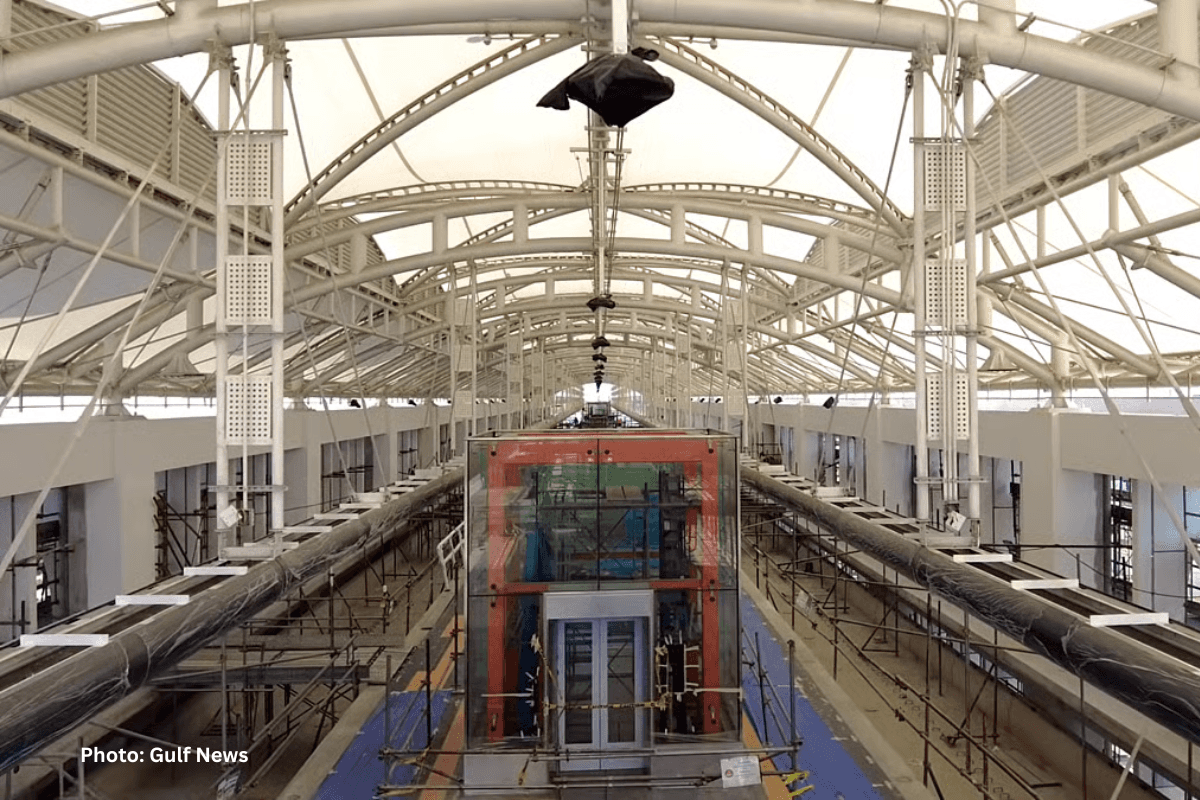
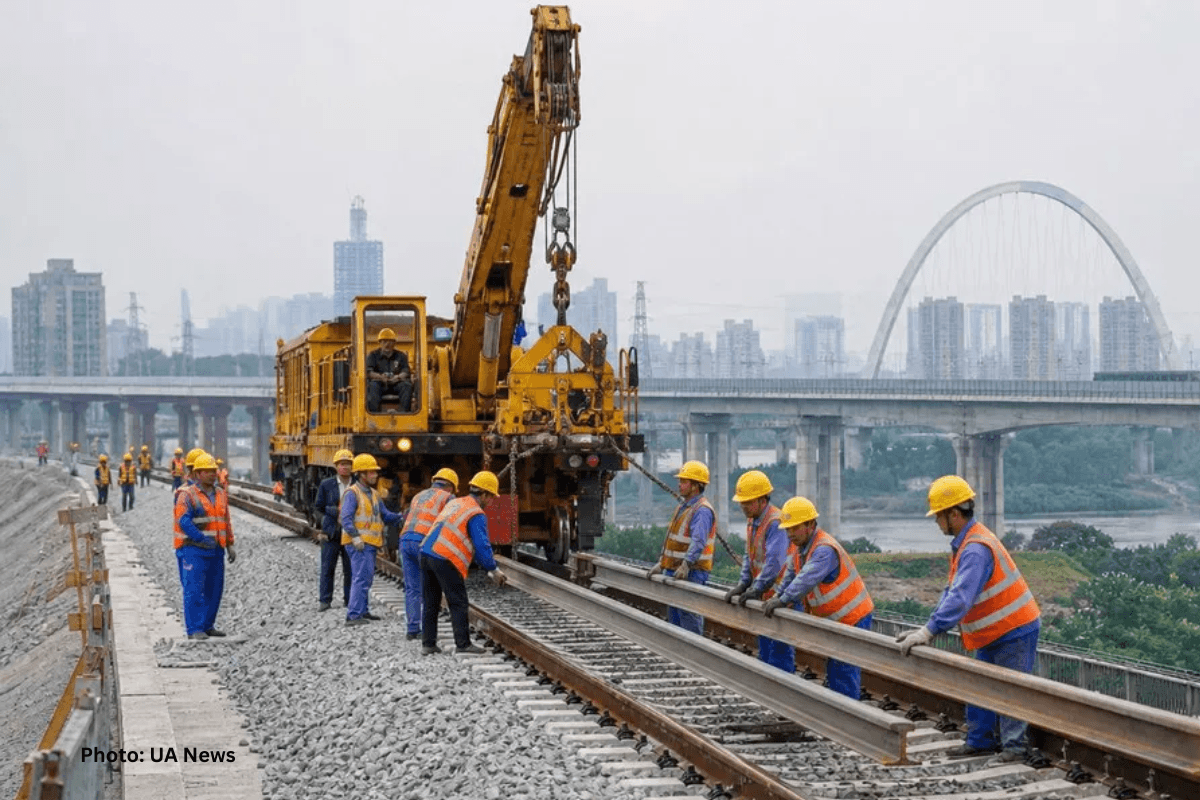
TIBLISI, May 2026 — Modernisation works on the Baku–Tbilisi–Kars (BTK) railway corridor have officially reached final acceptance, completing a major infrastructure upgrade programme designed to improve freight capacity and operational performance along the transcontinental rail route. The project focused primarily on the Georgian section of the corridor, which serves as a key transit link between Azerbaijan, Türkiye, and European markets. (railway.supply)
The completed works included rehabilitation of track infrastructure, tunnel upgrades, bridge strengthening, and improvements to signalling and operational systems. Authorities stated that the upgrades were necessary to support increasing freight demand and enable more efficient movement of containerised cargo across the corridor. (railway.supply)
The BTK railway, officially launched in 2017, forms part of the broader Middle Corridor trade route connecting China and Central Asia with Europe through the Caucasus region. The line bypasses traditional northern transit routes and has gained strategic importance amid changing geopolitical trade patterns and efforts to diversify Eurasian logistics networks.
Following the upgrade programme, the corridor is expected to handle significantly larger freight volumes while reducing transit bottlenecks along the Georgian segment. Industry stakeholders have increasingly viewed the BTK route as a critical alternative for east–west cargo flows, particularly for container traffic moving between Asia and Europe.
The completion of the works also aligns with broader regional efforts to strengthen multimodal transport integration involving ports, rail terminals, and customs infrastructure across the Caspian and Black Sea regions. Governments along the corridor continue to promote rail freight as a competitive alternative to maritime and road transport for medium-distance Eurasian trade.
More broadly, the BTK modernisation reflects growing international investment in strategic rail corridors designed to enhance supply chain resilience and cross-border connectivity. As geopolitical and trade dynamics continue to reshape freight patterns, transnational rail infrastructure is becoming increasingly central to regional economic and logistics strategies.
Source: Railway Supply

BTK Rail Corridor Infrastructure Works Reach Final Acceptance Stage

Engineering Business Management
Share this story
Strategic Eurasian freight corridors are increasingly being upgraded to support higher cargo volumes and faster cross-border rail connectivity. Infrastructure works on the Baku–Tbilisi–Kars (BTK) rail corridor have received final acceptance, marking a major milestone in the route’s long-term modernisation programme. The development strengthens the corridor’s role in linking Central Asia, the Caucasus, and Europe.