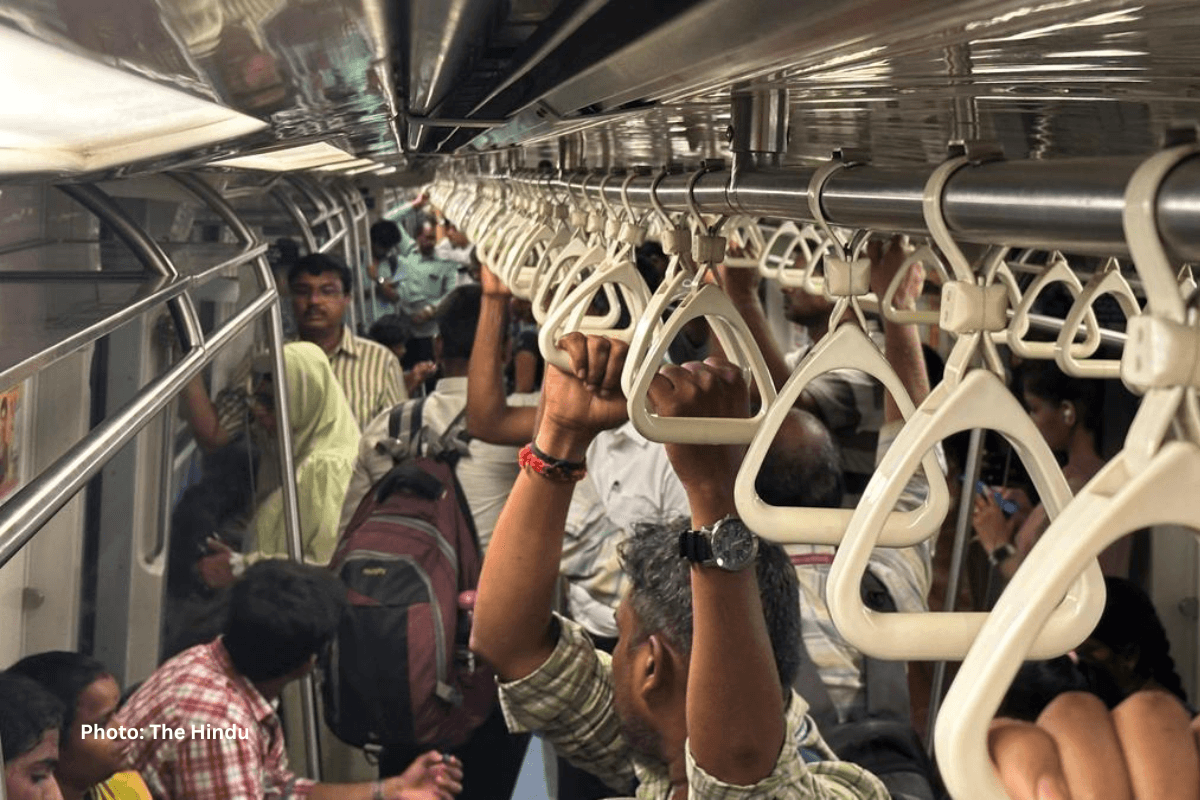
CHENNAI, June 2026 — Chennai Metro Rail Limited (CMRL) reported an 11.5% decline in ridership over the past two months, with average daily passenger numbers falling from approximately 328,000 in March to 300,000 in April and 290,000 in May. The decrease has been largely attributed to school examinations and summer holidays, during which student travel demand drops significantly.
According to CMRL officials, students from schools and colleges account for nearly 30% of the metro system’s total ridership. As educational institutions closed for vacations, passenger volumes declined across the network despite Chennai Metro continuing to serve office commuters and other regular travellers. The trend reflects the growing role of students as a core customer segment for urban rail operators in major Indian cities.
The temporary drop comes despite Chennai Metro's broader ridership growth trajectory in recent years. The system has recorded steady increases in annual passenger numbers, supported by expanding connectivity and rising public transport usage. However, current passenger volumes remain sensitive to seasonal factors and continue to fluctuate based on academic calendars, holidays and major city events.
For rail operators and planners, the figures highlight the importance of understanding travel demand patterns when forecasting ridership and revenue. Seasonal variations can affect farebox income and operational planning, particularly for metro systems that rely heavily on student and commuter traffic. The data may also inform future marketing initiatives and service planning during low-demand periods.
The latest ridership decline is expected to be temporary, with passenger numbers likely to recover once schools and colleges reopen. As Chennai Metro continues expanding its network through Phase II development, broader coverage and improved connectivity are anticipated to strengthen long-term ridership growth and reduce the impact of seasonal demand fluctuations.
Source: The Hindu
Chennai Metro Ridership Declines During Student Vacation Period

Engineering Business Management
Share this story
Urban rail systems often experience seasonal fluctuations in demand, particularly in cities where students account for a significant share of daily commuters. Chennai Metro Rail has recorded a noticeable decline in ridership during the recent examination and summer vacation period, highlighting the influence of educational travel patterns on network performance.