China's railway infrastructure is undergoing a substantial transformation, with a primary focus on expanding its high-speed rail (HSR) capabilities as part of its 2026-2030 five-year plan. This initiative underscores China's commitment to leveraging rail transport for economic development and national integration.
The nation aims to grow its operational rail network to approximately 180,000 kilometers by 2030, with high-speed lines constituting nearly one-third, or around 60,000 kilometers. This expansion represents a 19% increase in HSR mileage over the next five years, building on the rapid growth seen between 2021 and 2025, during which HSR mileage increased by 33% to 50,400 kilometers.
This aggressive expansion solidifies China's position as the world leader in high-speed rail, already accounting for over 70% of global HSR mileage. The plan also prioritizes technological innovation, with efforts underway to develop and test train sets capable of operating at 400 kmph, signaling a push towards next-generation rail technology.
Beyond domestic connectivity, China's rail ambitions extend internationally, particularly through initiatives like the Belt and Road Initiative. Freight services connecting China with Central Asia and Europe have seen significant activity, with plans for key projects such as the China-Kyrgyzstan-Uzbekistan Railway and Hungary's Budapest-Belgrade railway segment.
The continued investment in high-speed rail infrastructure is expected to further boost economic activity, facilitate trade, and enhance China's influence in global transportation networks, aligning with broader trends of increasing intercontinental connectivity and the strategic importance of robust rail corridors. The railway group also reported financial stability, with its debt-to-asset ratio falling and transport revenue crossing the trillion-yuan mark in 2025.
Source: Trak.in
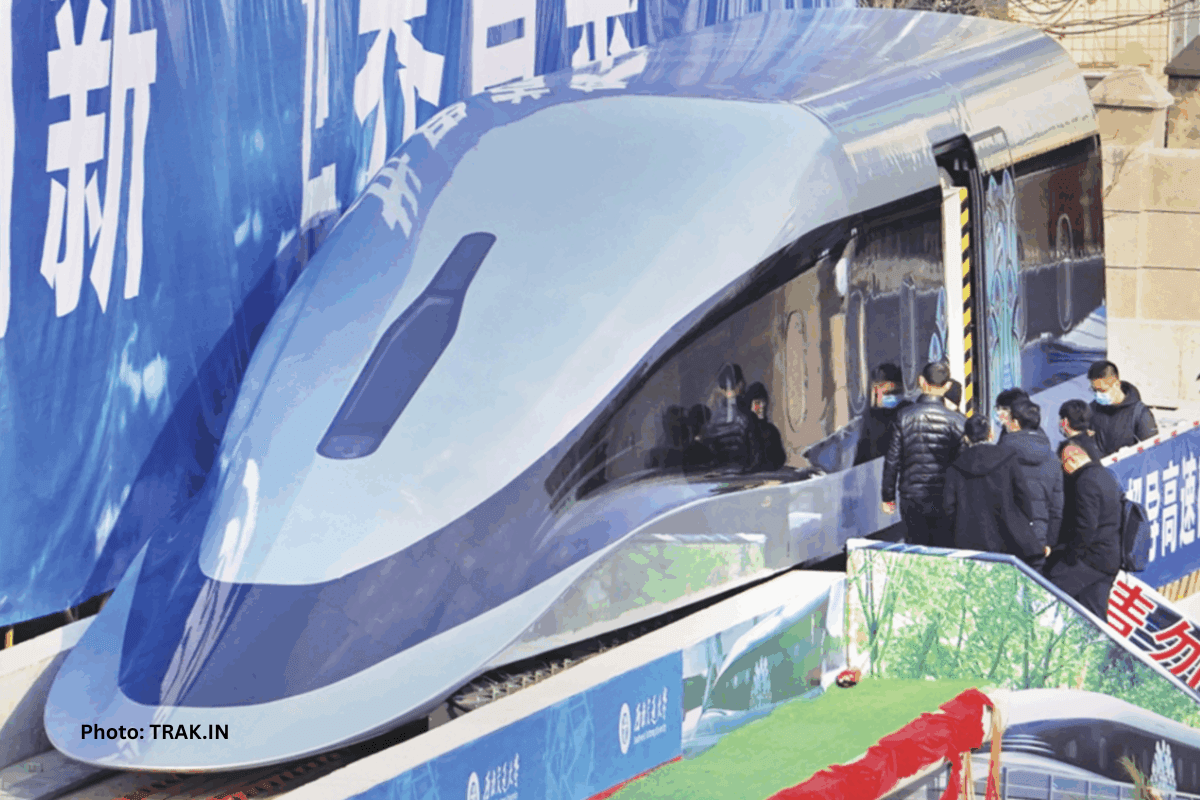
China's Ambitious High-Speed Rail Expansion to Solidify Global Leadership

Engineering Business Management
Share this story
China is set to significantly expand its high-speed rail network, reinforcing its global dominance in the sector. This strategic development is a cornerstone of its national infrastructure plan, aiming to enhance connectivity and drive economic growth across the nation and beyond.


