HONG KONG, May 2026 — The persistence of regional conflict has fundamentally altered the risk profile of traditional naval shipping lanes, necessitating a strategic pivot toward land-based infrastructure. For logistics professionals, this shift underscores the growing importance of the China-Europe Railway Express as a resilient backbone for Eurasian trade when maritime security is compromised.
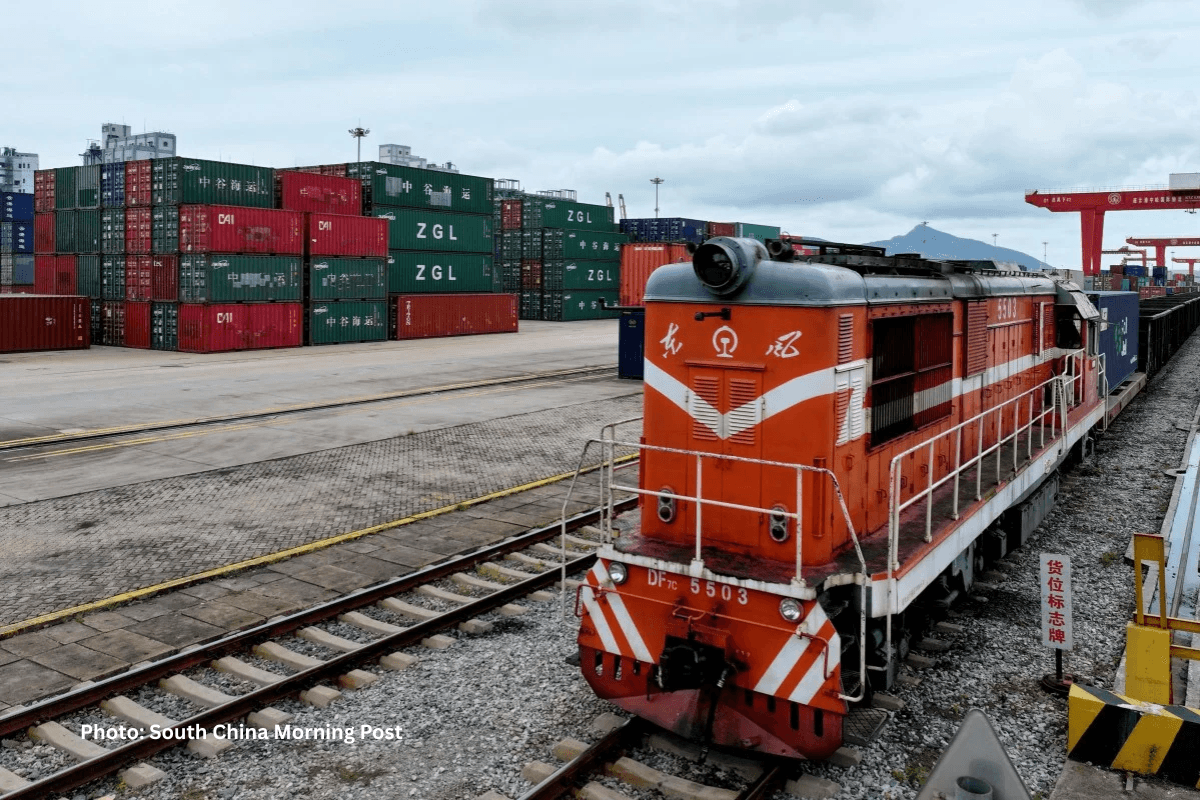
Recent reports indicate that Chinese investors and small-scale exporters operating within Iran are increasingly abandoning sea freight in favor of railway slots and long-haul trucking. This transition is driven by the need to bypass the volatile Strait of Hormuz, where shipping traffic has seen little sign of stabilizing after months of disruption. The sudden surge in demand has placed significant pressure on existing rail capacity, highlighting the sector's role as a primary contingency for global supply chains.
Market data reveals the scale of this modal shift, with rail freight slots for the month of May already reaching full capacity. Traders are now actively scouting for June availability or considering the higher-cost alternative of transcontinental trucking to ensure the delivery of consumer goods. This bottleneck suggests that while rail offers a viable alternative, current infrastructure and scheduling may struggle to absorb the total volume typically handled by large-scale naval vessels.
For industry stakeholders, these developments emphasize the necessity of diversified transport corridors and the potential for long-term investment in Middle Eastern rail connectivity. The reliance on land routes is no longer merely a temporary fix but is becoming a core component of regional business continuity strategies. As traders adapt to these new logistics realities, the efficiency and reliability of transcontinental freight links will likely dictate the pace of economic recovery for affected trade routes.
This trend aligns with broader industry movements toward 'multi-modal' resilience, where rail serves as a high-speed, secure bridge between East and West. As maritime volatility continues to challenge traditional shipping norms, the strategic value of the Eurasian rail network is expected to grow, prompting further integration of land-based logistics into the global trade architecture.
Source: South China Morning Post
Chinese Traders Pivot to Eurasian Rail Links Amid Maritime Shipping Disruptions

Engineering Business Management
Share this story
Ongoing geopolitical instability in the Middle East is forcing a significant shift in global logistics, as maritime routes through the Strait of Hormuz face prolonged interruptions. Consequently, transcontinental rail and road corridors are emerging as critical alternatives for maintaining trade flows between China and Iranian markets.