BERLIN, June 2026 — The operational reliability of Germany’s high-speed and intercity rail network remains a critical focal point for national transport policy as the state-owned operator navigates a complex transition toward modernized infrastructure. This performance metric serves as a primary indicator of the system's health and its ability to meet the growing demands of a decarbonizing transport sector.
According to the latest internal reporting, 61.3% of ICE and Intercity services arrived within the six-minute punctuality window during May. This figure represents a decline from the 64.4% recorded in April and 62.1% in March, though it notably remains above the critical 60% threshold that the operator struggled to meet during the volatile start of the current year.
For industry stakeholders and transport planners, these figures underscore the systemic difficulties of maintaining service quality while simultaneously executing essential network upgrades. The current performance levels highlight the tension between the immediate need for reliable transit and the long-term necessity of addressing decades of underinvestment in the rail backbone.
Transport Minister Patrick Schnieder has signaled a pragmatic acceptance of these figures, suggesting that maintaining performance above the 60% mark is a satisfactory baseline given the current operational environment. This perspective aligns with executive assessments that the network has moved past its lowest performance point, despite the lingering effects of severe winter weather and the ongoing disruption caused by aging infrastructure.
As Deutsche Bahn pursues its annual target of exceeding 60% punctuality for the entirety of 2026, the industry remains focused on the pace of construction and the resilience of the network. The ability to stabilize these metrics will be a decisive factor in determining the success of Germany’s broader strategy to shift traffic from road to rail and achieve national climate objectives.
Source: DPA
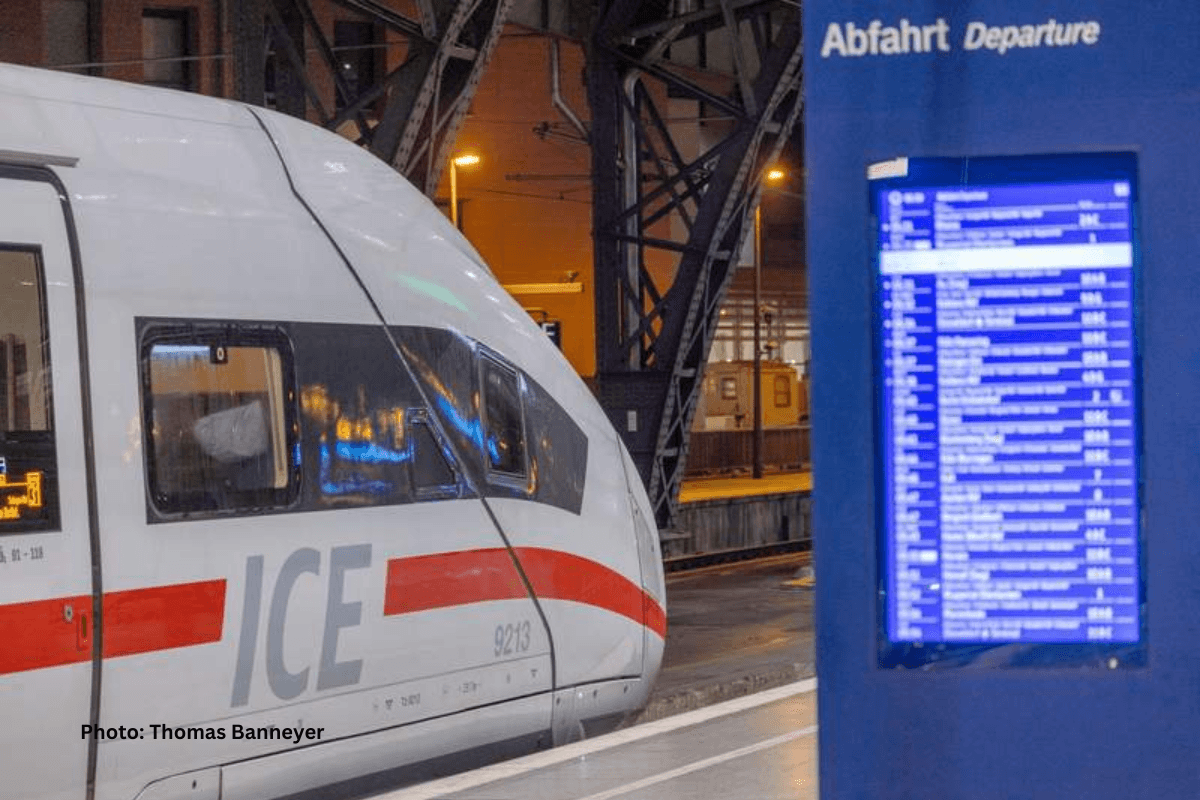
Deutsche Bahn Long-Distance Punctuality Stabilizes Above Sixty Percent Threshold in May

Engineering Business Management
Share this story
Persistent infrastructure constraints and network-wide modernization efforts continue to challenge the reliability of Germany’s national rail network, impacting service delivery for both passengers and logistics stakeholders. Internal data reveals that long-distance punctuality fell to 61.3% in May, reflecting the ongoing struggle to maintain schedule integrity amidst a period of intensive capital investment.