BRUSSELS, April 2026 — The European Union has required the exclusion of Chinese rolling stock manufacturer CRRC from a Lisbon metro light rail contract after concluding that state subsidies provided the company with an unfair competitive advantage during the tender process. The decision forms part of the EU’s enforcement of its Foreign Subsidies Regulation (FSR), which aims to ensure fair competition in public procurement within the bloc.
The contract in question relates to the construction of Lisbon’s Violet Line, a light rail extension project valued at approximately €599 million. The consortium led by Portuguese construction group Mota-Engil was allowed to proceed with its bid only after agreeing to replace CRRC’s local subsidiary with a European subcontractor.
The European Commission’s investigation found indications that CRRC’s participation in the tender may have been supported by significant state-linked financial advantages, including subsidies and preferential funding arrangements. Regulators concluded that these conditions could distort pricing and undermine equal competition in the EU internal market.
As part of the remedy, Polish manufacturer PESA was selected to replace CRRC within the supply chain, ensuring compliance with EU requirements that subcontractors must not benefit from distortive foreign subsidies. The Commission stated that this substitution removes the risk of market distortion while allowing the project to proceed.
The case represents one of the first major applications of the EU’s Foreign Subsidies Regulation in rail procurement, signalling a stricter stance toward state-backed suppliers in strategic infrastructure sectors. It also reflects broader geopolitical and industrial policy tensions as Europe seeks to balance open competition with protection of its internal market in large-scale transport projects.
Source: Caixin Global
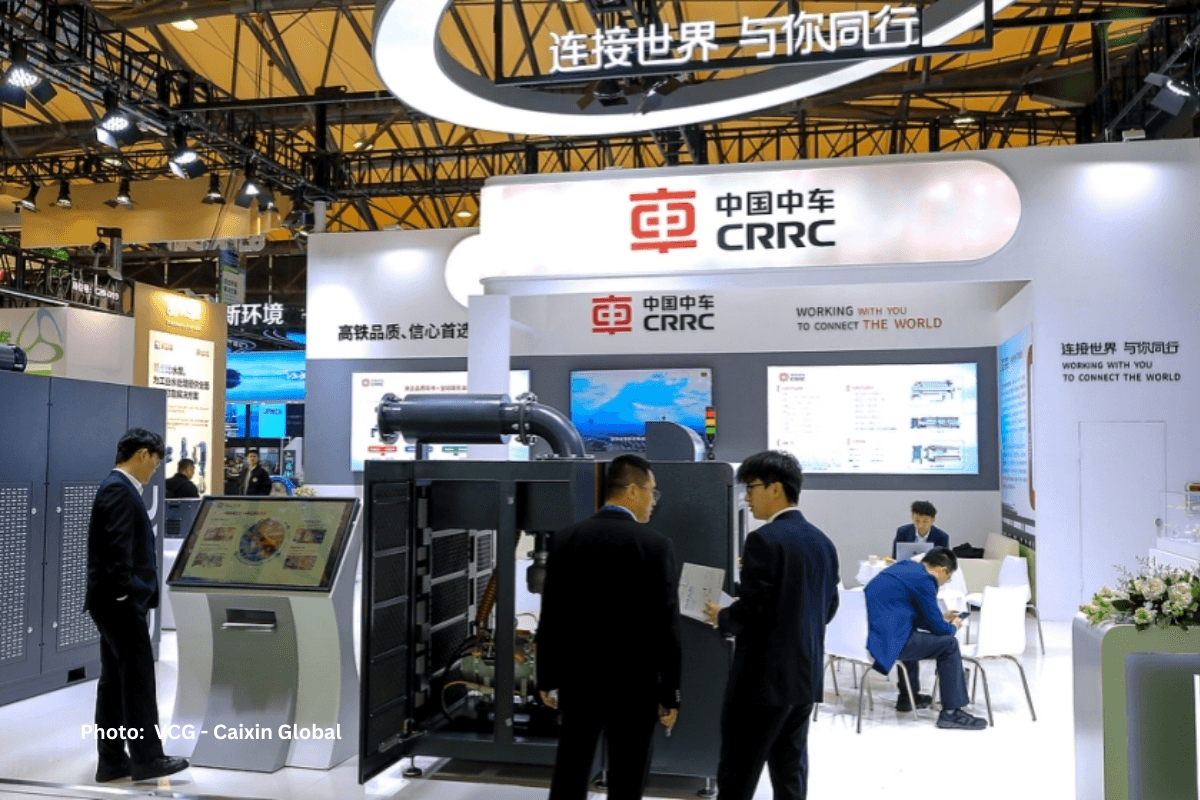
EU Subsidy Ruling Leads to CRRC Exclusion From Lisbon Metro Contract

Engineering Business Management
Share this story
European procurement rules are increasingly reshaping competition in rail infrastructure projects involving non-EU suppliers. A Lisbon metro contract has removed Chinese manufacturer CRRC following an EU decision linked to foreign subsidy concerns under its procurement regulation framework.