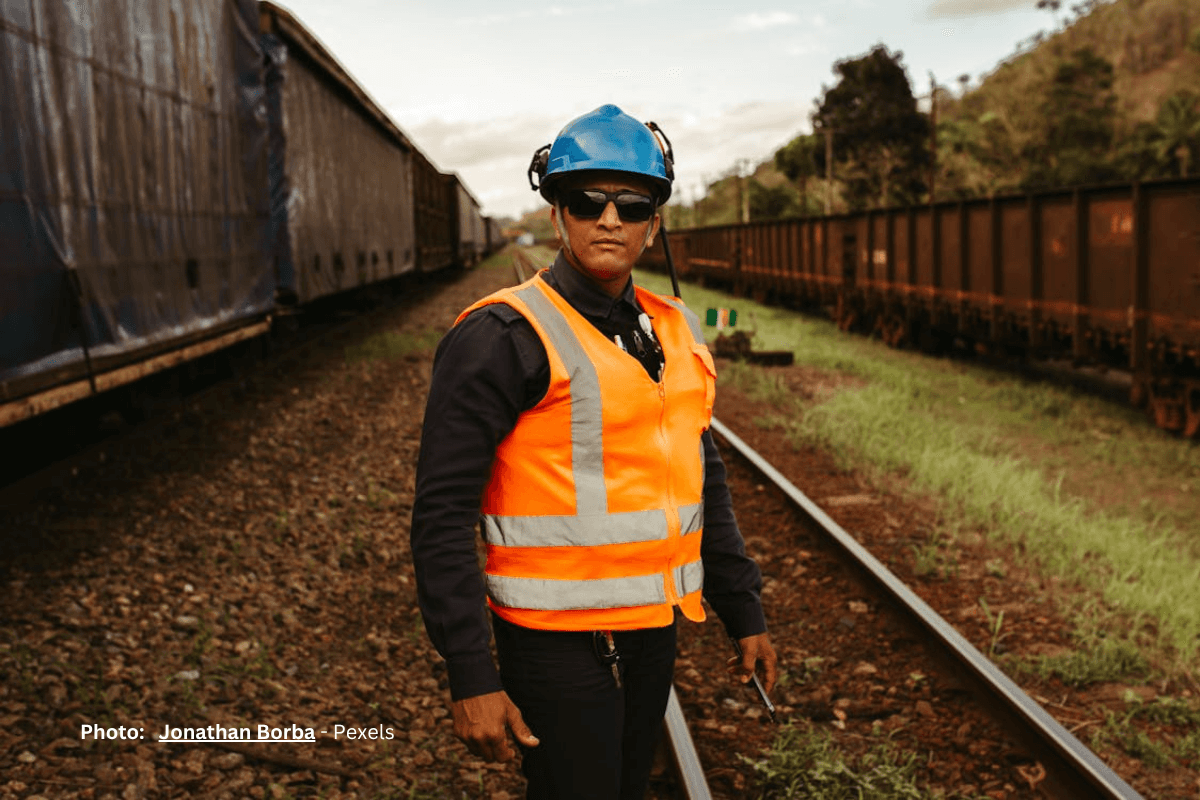
UK, April 2026 — The rail industry is undergoing a transformative shift in the design and implementation of PPE, emphasising not only safety but also comfort, usability and performance. This evolving perspective is particularly important for rail workers who operate in high-risk environments, such as track maintenance, electrified infrastructure zones, and construction sites, where job demands can be physically taxing.
Historically, traditional PPE has often been criticised for being restrictive and cumbersome, which can hinder workers’ efficiency and comfort during long shifts filled with repetitive manual tasks on uneven terrain. In response, contemporary designs are now focusing on lightweight materials and ergonomically optimised fits. These innovations are engineered to alleviate fatigue, allowing workers to perform their tasks more effectively while still meeting essential safety standards.
A significant advancement in this domain is the emergence of “systems-based” PPE design. This innovative approach incorporates multiple protective layers that function synergistically, rather than relying on single-purpose garments. By ensuring that each layer complements the others, this design philosophy enhances overall safety while aligning with broader industry trends that recognise the critical role of comfort and fit in improving compliance rates and minimising human error in the field.
Furthermore, cutting-edge technological innovations are playing an increasingly vital role in enhancing PPE. The introduction of advanced high-visibility materials, for example, ensures that workers remain easily detectable even in low-light environments. Battery-assisted illumination and durable fabrics are also being utilised to withstand harsh weather conditions, a requirement that is especially relevant for night maintenance work, where situational awareness is paramount for safety.
Overall, the evolution of PPE in the rail industry mirrors a larger movement toward integrating human factors engineering within safety systems. As rail networks evolve into more automated and data-driven ecosystems, the protection of the workforce is being recognised as an essential component of active performance, rather than a mere compliance obligation. This transformation supports enhanced safety outcomes and operational efficiency, ensuring a safer environment for all rail workers.
Next Generation PPE Enhances Safety and Efficiency in Rail Operations

Engineering Business Management
Share this story
Rail safety strategies are increasingly evolving beyond compliance toward performance-driven protective systems. A rail industry feature highlights how next-generation personal protective equipment (PPE) is improving visibility, ergonomics, and operational efficiency for frontline rail workers.