JAKARTA, February 2026 — Indonesia's much-touted high-speed railway, the Jakarta-Bandung line branded as Whoosh, is experiencing considerable financial strain, two years after its October 2023 operational launch. Initially envisioned as a flagship project of China's Belt and Road Initiative, the railway now requires substantial public funding to manage its mounting debt, a scenario contrary to initial assurances.
The project has seen construction costs balloon to approximately $7.2 billion, exceeding initial estimates by 20 percent, with 75 percent of financing provided by the China Development Bank. The burden of interest payments has become significant, compelling the Indonesian government to allocate funds from the national budget to cover debt repayment, with annual support expenditures projected at around 1.2 trillion rupiah.
Passenger demand has fallen short of expectations, with daily ridership less than one-third of the forecasted 60,000 passengers. This underperformance is attributed to fares that are higher than conventional trains and the inconvenient location of several stations, which are situated far from urban centers, diminishing the perceived time savings.
This situation mirrors challenges faced by other major rail projects in Southeast Asia, where countries like Thailand and Malaysia have renegotiated terms, and the Philippines has cancelled contracts. The Indonesian government is reportedly considering an extension of the line to Surabaya, which could potentially improve profitability if implemented.
The financial difficulties and operational underperformance of the Jakarta-Bandung high-speed rail underscore the complexities and risks associated with large-scale infrastructure investments, highlighting the critical need for accurate demand forecasting and robust financial planning in the region's evolving transport landscape.
Source: The Star
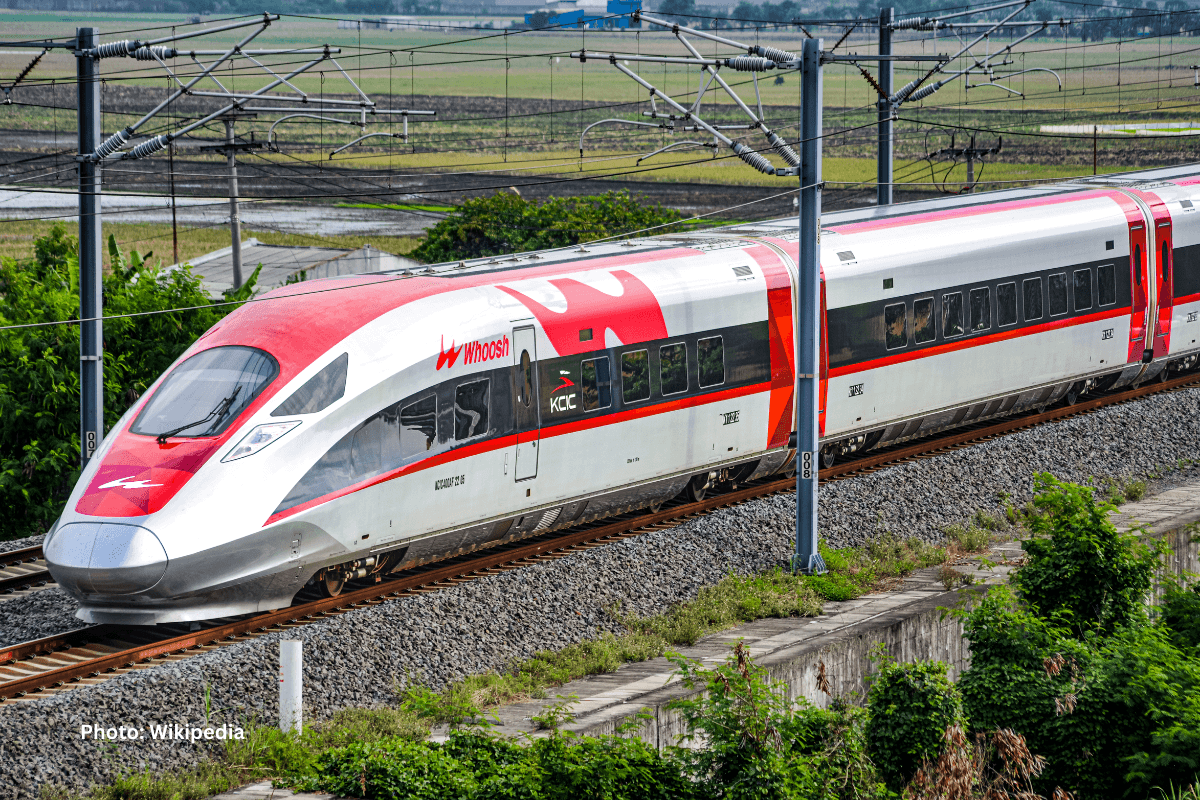
Indonesia's High-Speed Rail Project Grapples With Debt and Underperformance

Engineering Business Management
Share this story
China's ambitious high-speed rail initiatives across Asia are facing scrutiny as Indonesia's flagship Jakarta-Bandung line strains under significant debt. The project's financial viability is challenged by cost overruns and lower-than-expected passenger demand.


