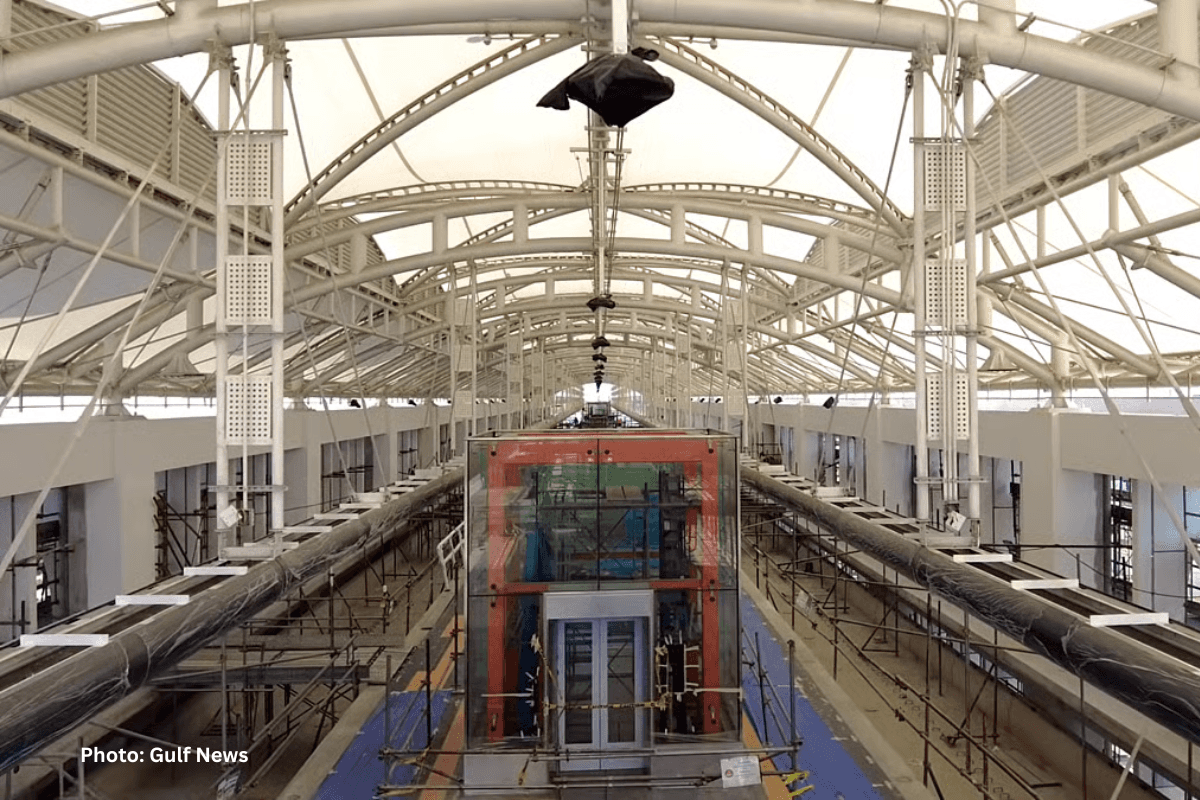
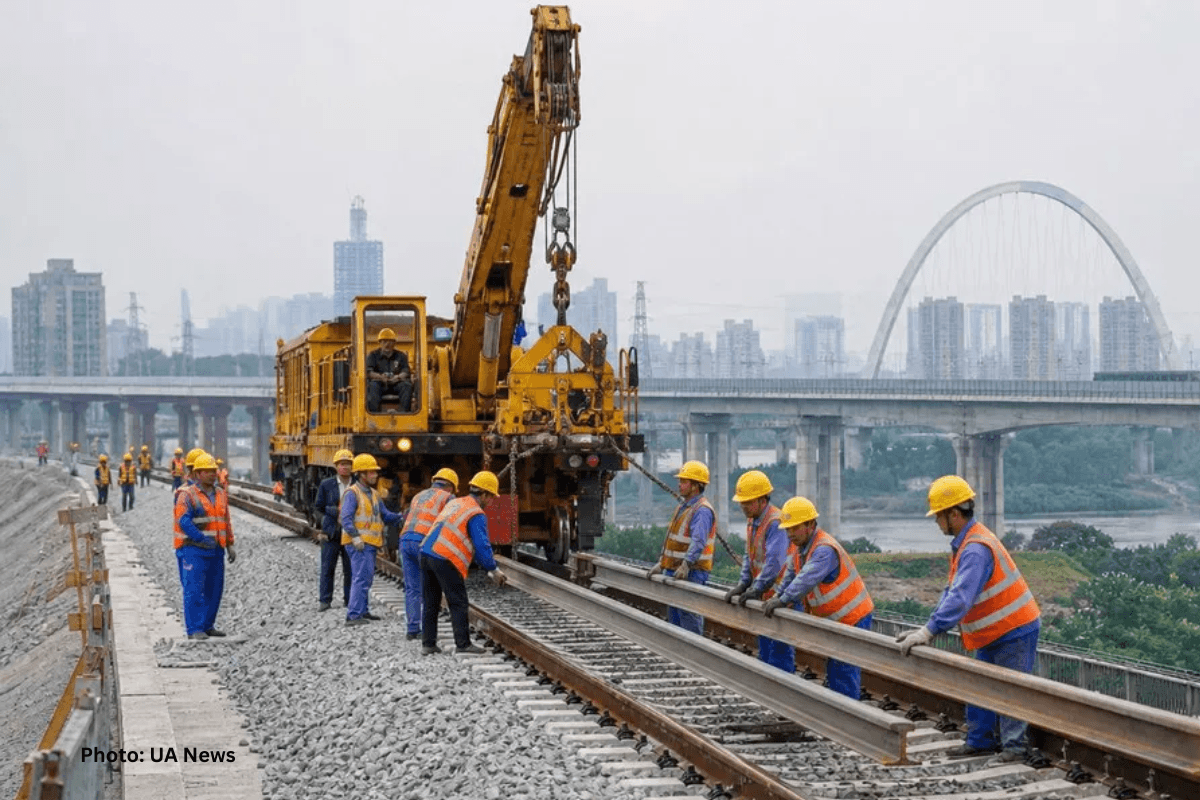
NEW DELHI, May 2026 — The strategic investment in rail infrastructure reflects a broader governmental push to ensure that the national carrier can meet the growing demands of both passenger and freight traffic while maintaining high safety standards. By addressing specific geographical challenges and operational constraints, these projects aim to stabilize the backbone of India's transport logistics.
A significant portion of the funding, approximately Rs 238 crore, is dedicated to the Jammu–Shri Mata Vaishno Devi Katra section, where the Ministry has approved critical slope stabilization, tunnel rehabilitation, and bridge protection works. Simultaneously, the government has greenlit the Rs 962 crore Kiul–Jhajha 3rd line project, a 54-kilometer expansion designed to alleviate congestion on one of the country’s busiest rail arteries.
For industry stakeholders, the Kiul–Jhajha expansion is particularly noteworthy as it serves as a crucial link for freight moving from the Haldia and Kolkata ports toward northern industrial hubs. By increasing track capacity, the project is expected to reduce transit times for goods and improve the reliability of passenger services on the high-density Howrah–Delhi route, which currently operates well beyond its optimal capacity.
Union Railways Minister Ashwini Vaishnaw emphasized that these works are essential for providing reliable connectivity in some of the nation's most challenging geographical terrains. This development follows a pattern of targeted interventions where the Ministry prioritizes safety in the Himalayan foothills while aggressively expanding throughput in the eastern and northern plains to support industrial growth.
These sanctioned works align with the long-term vision of creating a more resilient and efficient rail network that can support India's economic ambitions. As these projects move into the implementation phase, they will likely serve as a benchmark for how the Ministry balances the dual needs of safety-critical maintenance and aggressive capacity augmentation across diverse regional landscapes.
Source: The Hans India
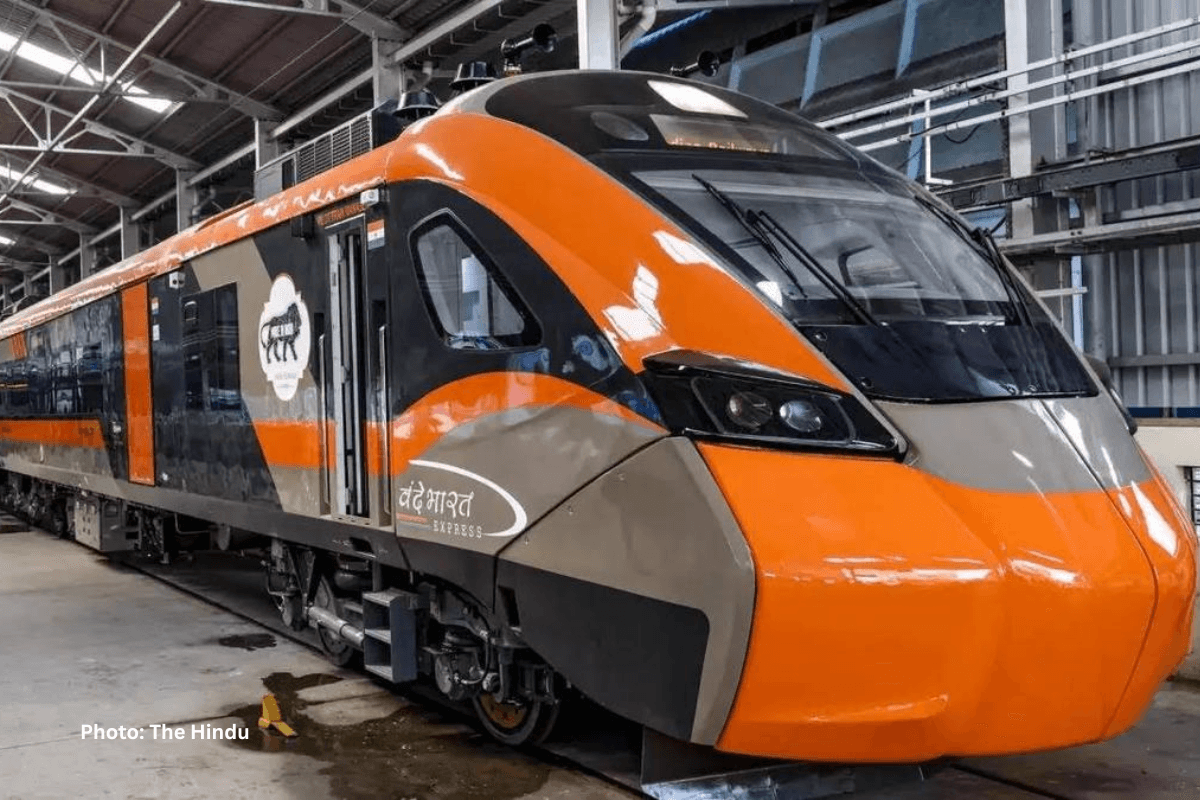
Ministry of Railways Sanctions Rs 1,200 Crore for Critical Infrastructure and Capacity Expansion

Engineering Business Management
Share this story
As India continues to modernize its rail network, the focus on safety in difficult terrains and the removal of bottlenecks on high-density corridors remains a top priority for national infrastructure development. The Ministry of Railways has recently sanctioned two major projects totaling Rs 1,200 crore, targeting safety enhancements in the Northern Railway and capacity expansion on the vital Howrah–Delhi corridor.