LONDON, May 2026 — Interest in operating passenger services through the Channel Tunnel has accelerated, with several rail companies pursuing plans to launch services between London and continental Europe. The developments signal a significant shift in one of Europe’s most important international rail markets.
A number of prospective operators, including Virgin, FS Group’s Trenitalia and other start-ups, are exploring opportunities to compete with Eurostar on routes linking London with Paris, Brussels and Amsterdam. Several companies are pursuing access rights, rolling stock approvals and maintenance facilities needed to operate through the Channel Tunnel.
Infrastructure capacity remains a critical issue. Access to Temple Mills depot in East London, currently the only UK facility capable of maintaining European-gauge high-speed trains, has emerged as a key constraint for new entrants. At the same time, plans are being developed to expand passenger handling capacity at London St Pancras International and along High Speed 1 to accommodate future growth.
The prospect of additional operators could have significant implications for the rail sector. Increased competition may encourage service innovation, improve scheduling flexibility and potentially place downward pressure on fares. Industry stakeholders also view expanded international rail services as supporting broader efforts to shift passengers from short-haul air travel to lower-carbon transport alternatives.
The growing interest in the London–Paris market reflects wider trends across Europe, where open-access competition is reshaping high-speed rail services. As infrastructure constraints are addressed and regulatory approvals progress, the Channel Tunnel corridor could transition from a largely single-operator market to a more competitive international rail network over the coming decade.
Source: Trains Magazine
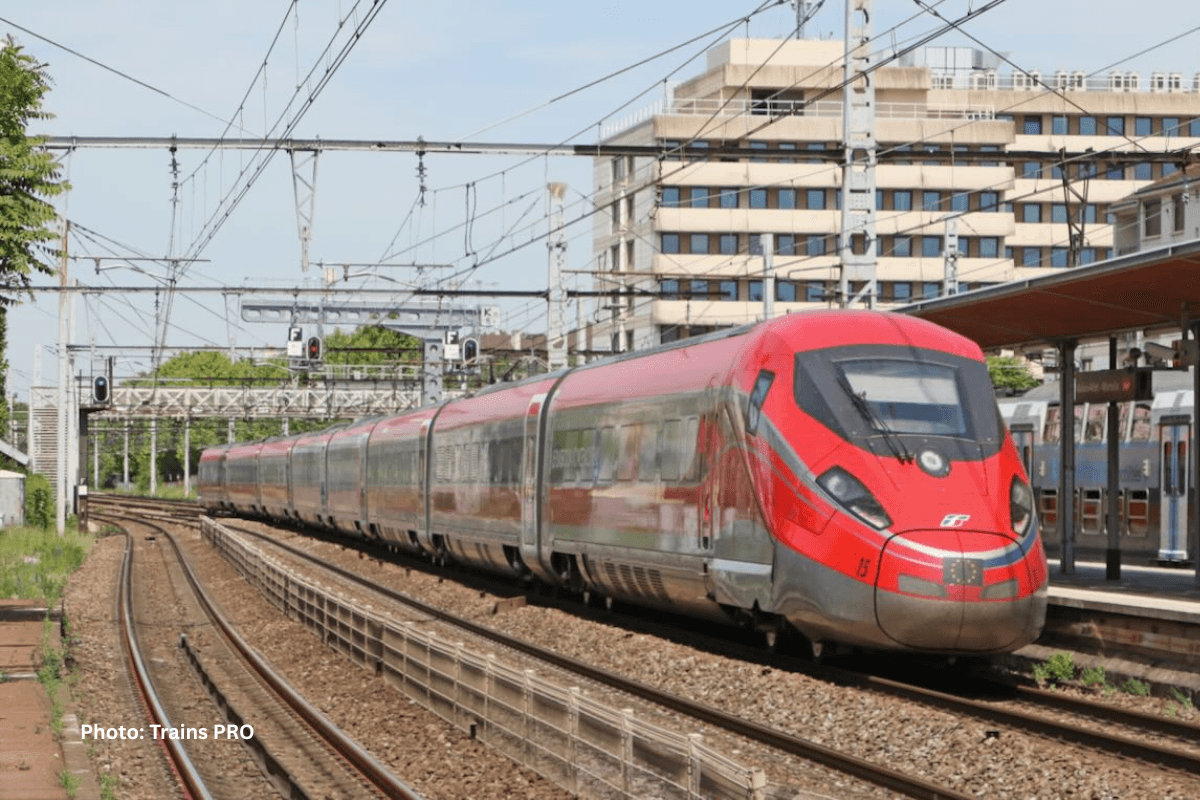
London–Paris High-Speed Rail Market Faces Growing Competition

Engineering Business Management
Share this story
Europe’s international high-speed rail sector is becoming increasingly competitive as new operators seek access to cross-border routes. The London–Paris corridor, long dominated by Eurostar, is now attracting multiple challengers aiming to expand capacity and offer passengers greater choice.


