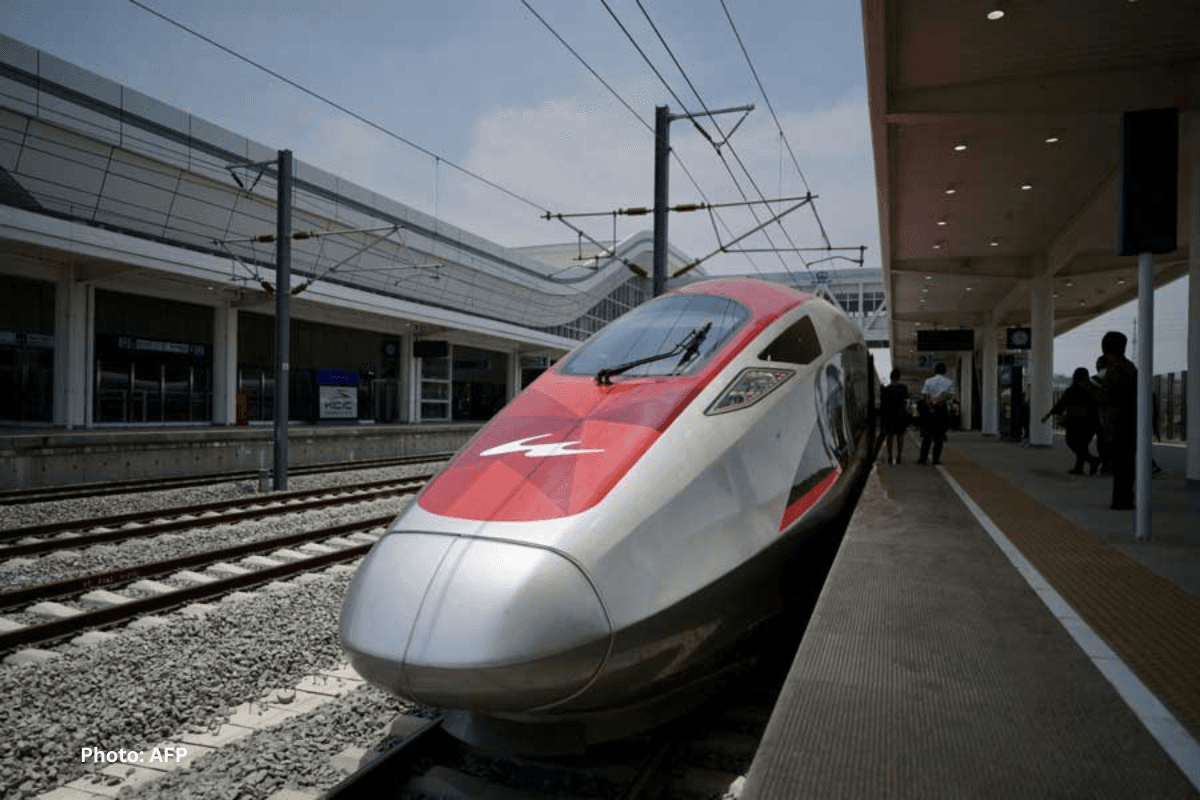
MANILA, Philippines —The Philippine government is intensifying its efforts to modernize the country's railway systems, prioritizing commuter welfare and service reliability as central components of its transport agenda. This initiative includes strengthening international partnerships to support long-term upgrades.
President Ferdinand R. Marcos Jr. has directed the Department of Transportation (DOTr) to focus on enhancing rail operations throughout the nation, in response to the daily challenges faced by millions of commuters. In a recent meeting with transport officials, the President emphasized the need for cleaner stations, more comfortable facilities, and punctual, dependable services across Metro Manila's rail network.
The DOTr has reported progress in multiple areas, including rehabilitation work at key stations and the ongoing rollout of cashless fare systems. Officials indicated that these upgrades aim to enhance passenger flow and operational efficiency, with plans to extend similar systems to other urban rail lines. Additionally, efforts are being made to refurbish idle rolling stock to increase capacity and improve service resilience during peak hours.
In conjunction with domestic initiatives, Manila has secured new international support for rail rehabilitation. The Philippines and Japan recently signed a loan agreement worth approximately ¥21.6 billion to fund the rehabilitation of the Metro Rail Transit Line 3 (MRT-3), one of the capital's busiest commuter corridors. This financing, provided through Japan's official development assistance framework, will support safety enhancements, system upgrades, and measures designed to improve reliability along the EDSA alignment.
This agreement builds on the long-standing bilateral cooperation in Philippine rail development and is expected to complement ongoing efforts to stabilise MRT-3 operations, which have historically been challenged by ageing assets and capacity constraints. Transport officials stated that the rehabilitation program would help sustain recent improvements in service performance while paving the way for further modernisation.
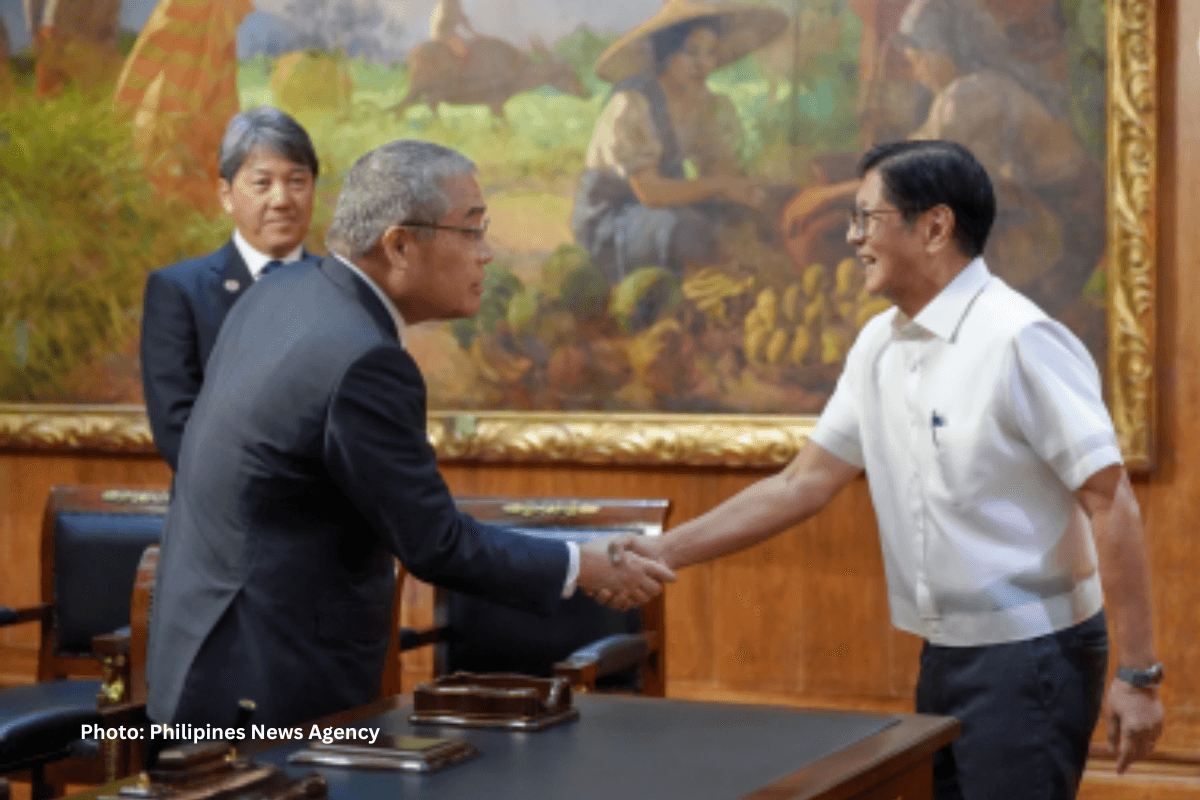
The administration is also actively seeking private sector participation to expedite infrastructure delivery. President Marcos has engaged in discussions with the Chief Executive Officer of Mitsubishi Corporation to explore potential investments in railway systems and opportunities in renewable energy and digital services. Government officials noted that such partnerships could provide technical expertise and capital while supporting job creation and broader economic growth.
With major rail projects currently under construction and rehabilitation efforts progressing, the government maintains that enhancing the commuter experience remains a top priority. Officials assert that the combined approach of policy reform, foreign financing, and private-sector engagement aims to create a more reliable, efficient, and commuter-focused railway system in the years ahead.
Philippines Steps Up Rail Modernisation Drive with Japan Support and Private Investment Push

Engineering Business Management
Share this story
The Philippine government has intensified its push to modernise the country’s railway systems, with President Ferdinand R. Marcos Jr. directing transport authorities to prioritise commuter welfare while securing fresh Japanese financing and private sector interest to accelerate rail rehabilitation and upgrades.