
Transport Minister Anthony Loke has ordered a full investigation into the incident, with the Land Public Transport Agency (APAD) already opening its probe. A special task force has also been formed to identify the actual cause of the derailment, with findings to be presented to the Cabinet before being made public.
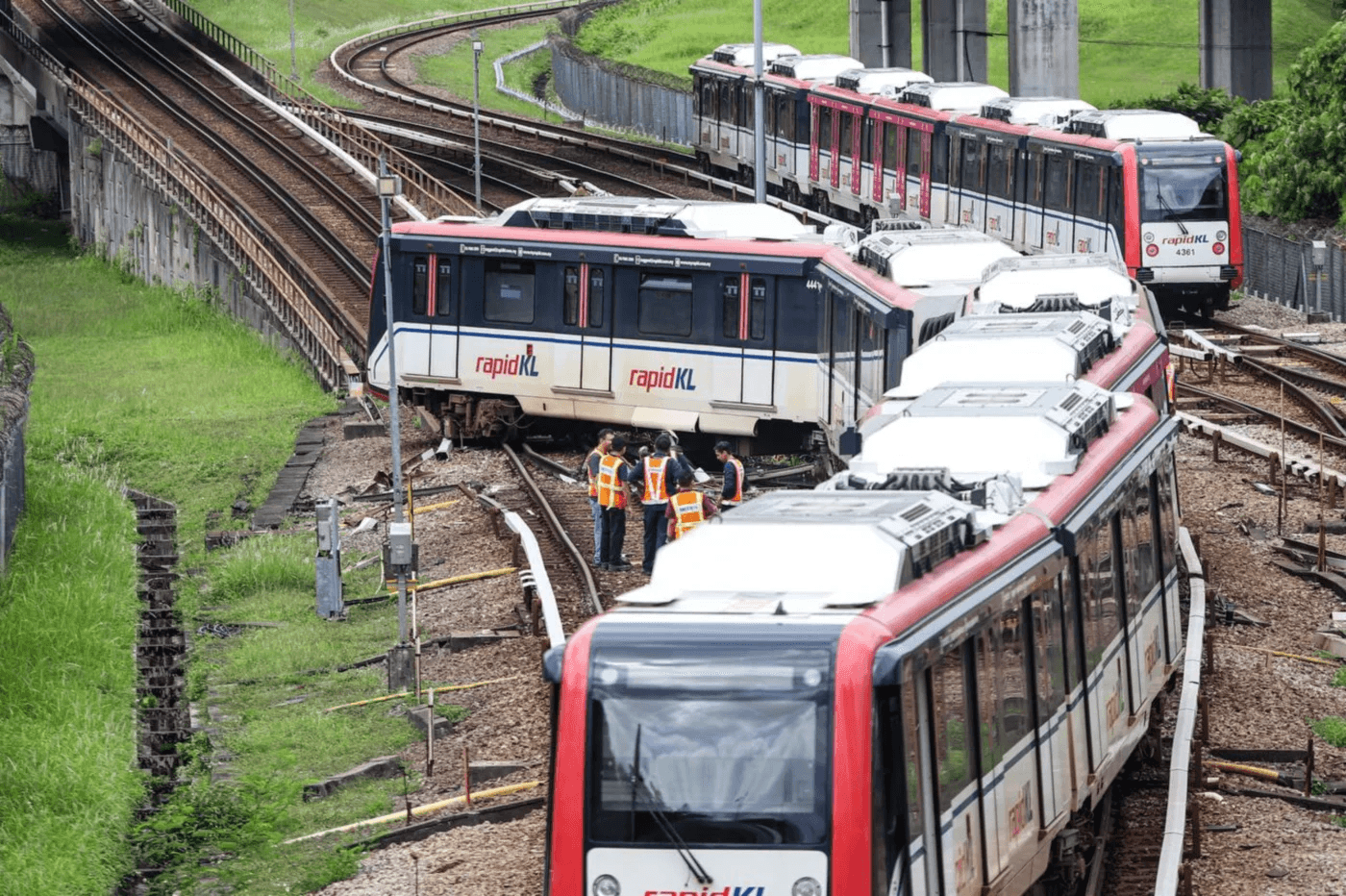
According to Rapid KL, 25 passengers were onboard the train during the incident. All passengers were safely evacuated, and no injuries were reported.
While the absence of injuries is a relief, the incident has raised a bigger concern: how much longer can commuters continue to trust the system?
Public transport is not only about moving people from one station to another. It is about reliability, safety, confidence, and accountability. Every delay, breakdown, or derailment affects more than travel time. It affects how people plan their day, reach their workplace, attend appointments, and trust the service they depend on.
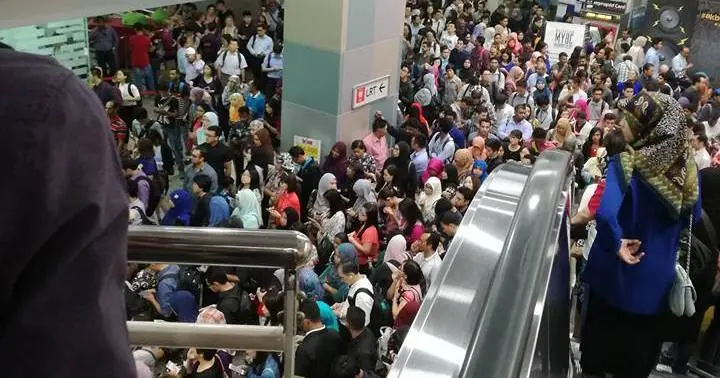
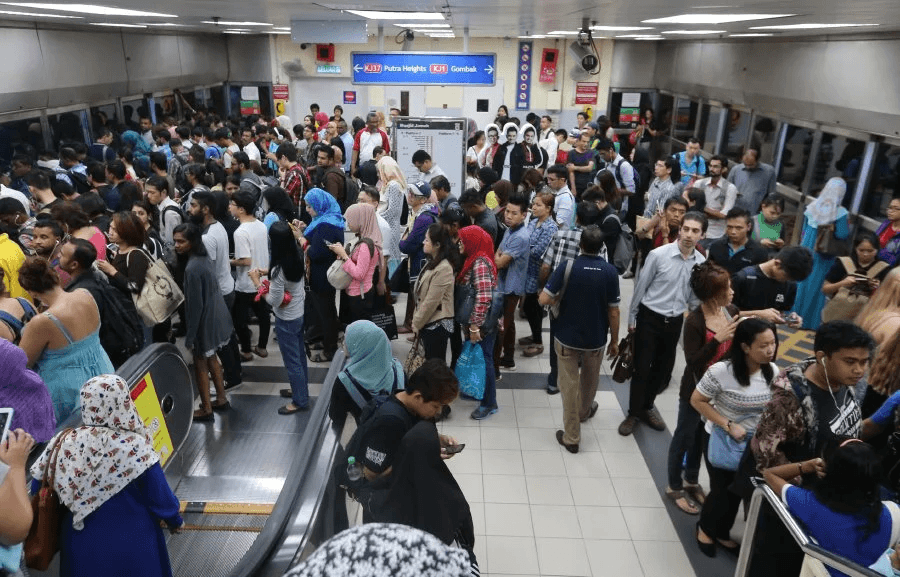
This incident also comes after earlier disruptions on the Rapid KL network, including the Kelana Jaya LRT line disruption on May 18 during peak hours. For daily commuters, repeated disruptions create a perception that problems are no longer isolated.
Prasarana Malaysia Berhad, which operates the Rapid KL network through Rapid Rail and Rapid Bus, plays a central role in Klang Valley’s public transport ecosystem. As the operator of key LRT, MRT, Monorail, and bus services, the company carries a major public responsibility.
Loke has made it clear that there can be no “business as usual” approach. He stressed that safety and reliability standards must not be compromised, and called for strict action, including dismissal if negligence is proven.
That statement matters. But for the public, words must now be followed by visible action.
Restoring trust requires more than an investigation report. It requires transparency, clear communication, stronger maintenance culture, faster response during disruptions, and accountability at every level of management.
Commuters do not expect a perfect system. But they do expect a safe, reliable, and honest one.
The real question now is not only what caused the derailment. The bigger question is whether Prasarana can restore public confidence before frustration turns into lasting distrust.