KUALA LUMPUR, January 2026 — The strategic development of land surrounding railway infrastructure is being increasingly recognised as an essential and powerful mechanism for driving economic growth and significantly enhancing the efficiency of public transportation systems across Asia. A prime example of this proactive approach is the recent proposal from the Real Estate and Housing Developers' Association (REHDA) Institute in Malaysia to transform existing rail corridors into thriving economic hubs.
This proposal aims to unlock approximately 3,520.77 hectares of land owned by the Railway Asset Corporation for dedicated transit-oriented development (TOD). It specifically targets railway links in Malaysia's southern and eastern corridors, with the clear objective of establishing vibrant economic centres that will generate substantial employment opportunities and stimulate comprehensive regional development. By seamlessly integrating residential, commercial, and recreational spaces around transit hubs, this initiative will fundamentally reshape the urban landscape and enhance connectivity.
The expected outcomes of implementing this strategy are significant and transformative. Public transportation ridership will increase significantly, as enhanced access and convenience will undoubtedly encourage more individuals to choose rail services. Additionally, this initiative will expand the housing supply to meet acute demand for affordable housing in urban areas, thereby promoting a model of sustainable living critical to future urban growth. Moreover, the development will catalyse commercial activity and boost tourism, creating economically vibrant zones that attract local residents and international visitors alike.
This proposal is a strategic move to ensure the financial sustainability of Malaysia's rail network. By cultivating integrated urban environments around transit hubs, the REHDA Institute envisions a robust model that not only supports public transportation but also generates substantial revenue through real estate development and commercial ventures. This will guarantee the rail system's long-term viability and ensure it meets future demand.
Datuk Jeffrey Ng Tiong Lip, Chairman of the REHDA Institute, confidently asserts that the next significant leap in productivity in the transportation sector will result from the enhanced integration of various transport modes, rather than from merely constructing new infrastructure. He highlights the Malaysian government’s considerable investments in pivotal projects, including the Johor Bahru-Singapore Rapid Transit System (RTS), the East Coast Rail Link (ECRL), and urban rail networks. These initiatives are crucial for achieving seamless connectivity and maximising the efficiency of the public transportation system.
This assertive approach aligns with a broader regional trend in which governments and industry leaders are actively seeking innovative ways to leverage rail assets beyond traditional transportation functions. By championing transit-oriented development, Malaysia is poised to create dynamic economic zones that are intrinsically linked to its rail network. This initiative not only underscores the vital role of rail in sustainable urban development but also decisively addresses the challenges presented by rapid urbanisation, paving the way for a prosperous and interconnected future.
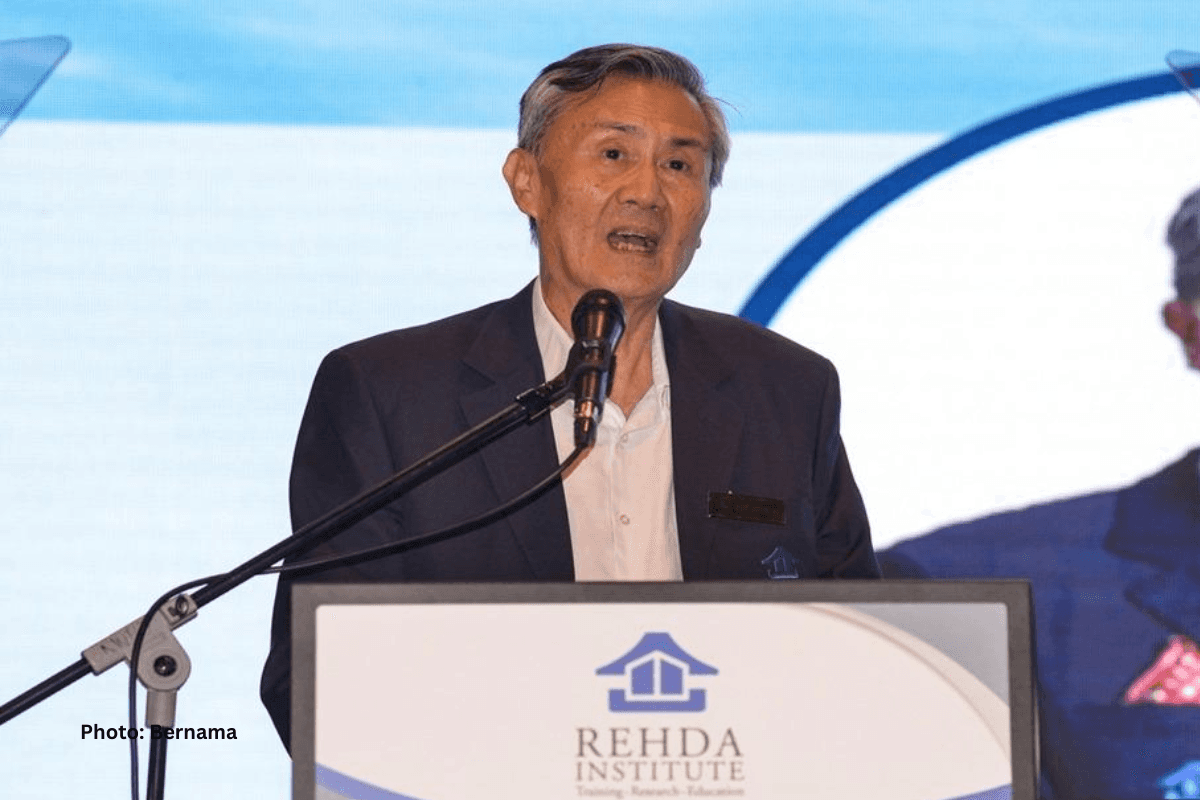
REHDA Institute Advocates for Transit-Oriented Development to Transform Malaysian Rail Corridors

Engineering Business Management
Share this story
Transit-oriented development is increasingly recognized as a strategy to maximize urban rail investments. In Malaysia, the REHDA Institute is advocating for the unlocking of railway landbanks to foster economic growth and enhance rail network sustainability.


