February 2026, Madrid — The Spanish railway industry is navigating a challenging period marked by a notable decrease in passenger numbers. This situation has prompted a strategic re-evaluation of market approaches to regain traveler trust and stimulate demand.
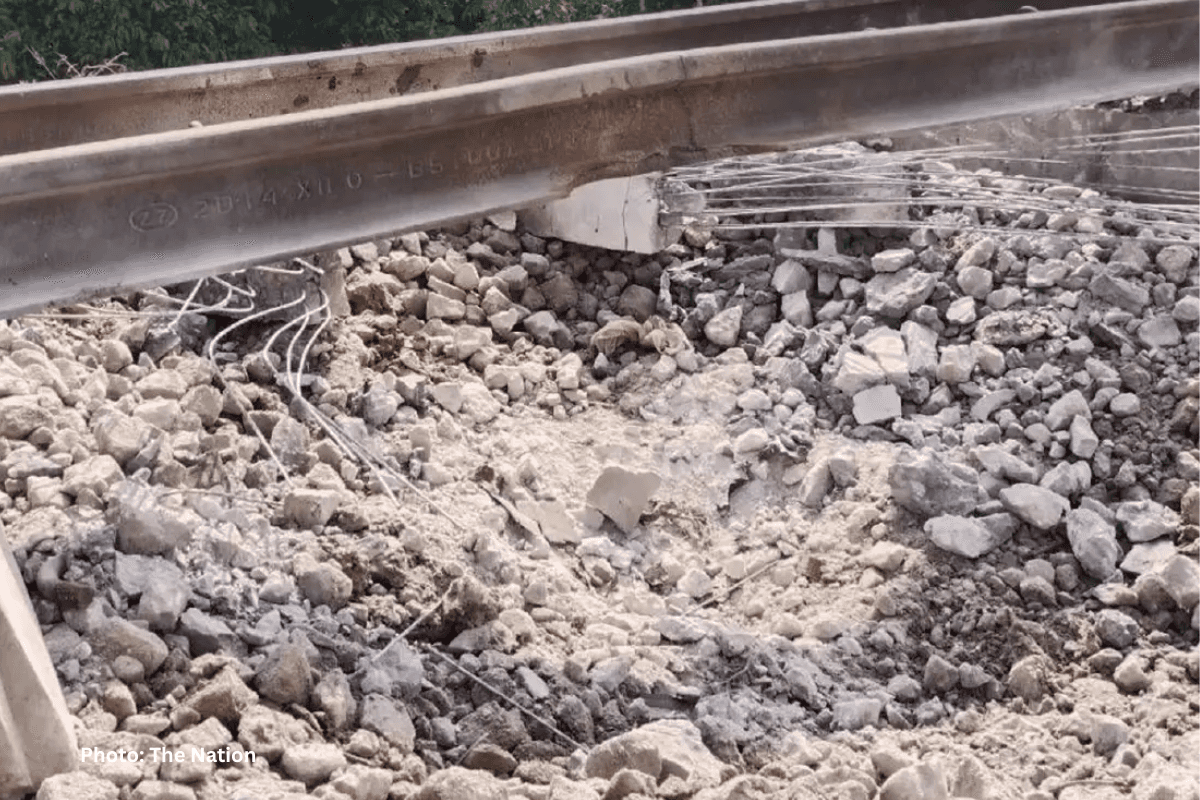
Data from the independent ticket sales platform Trainline indicates a 30% drop in overall network demand compared to the previous year, directly linked to an accident in Adamuz, Cordoba, on January 18th. In response, railway operators have begun moderating prices on active routes.
Passenger confidence has been impacted, with a significant portion of travelers expressing increased concern about rail safety. Despite this, there are emerging signs of demand recovery, particularly in anticipation of the Easter travel period.
Price remains the primary motivator for rail travel, cited by 60% of passengers, followed by direct connection availability. Initiatives like the Abono Único, a 30-day pass for state rail and bus transport, also influence travel choices, appealing to cost-conscious commuters.
The market's response highlights the sensitivity of passenger behavior to safety incidents and the critical role of pricing strategies in demand stimulation. The evolving landscape also underscores the importance of independent platforms in navigating a liberalized rail market and facilitating passenger access.
Source: Sur in English
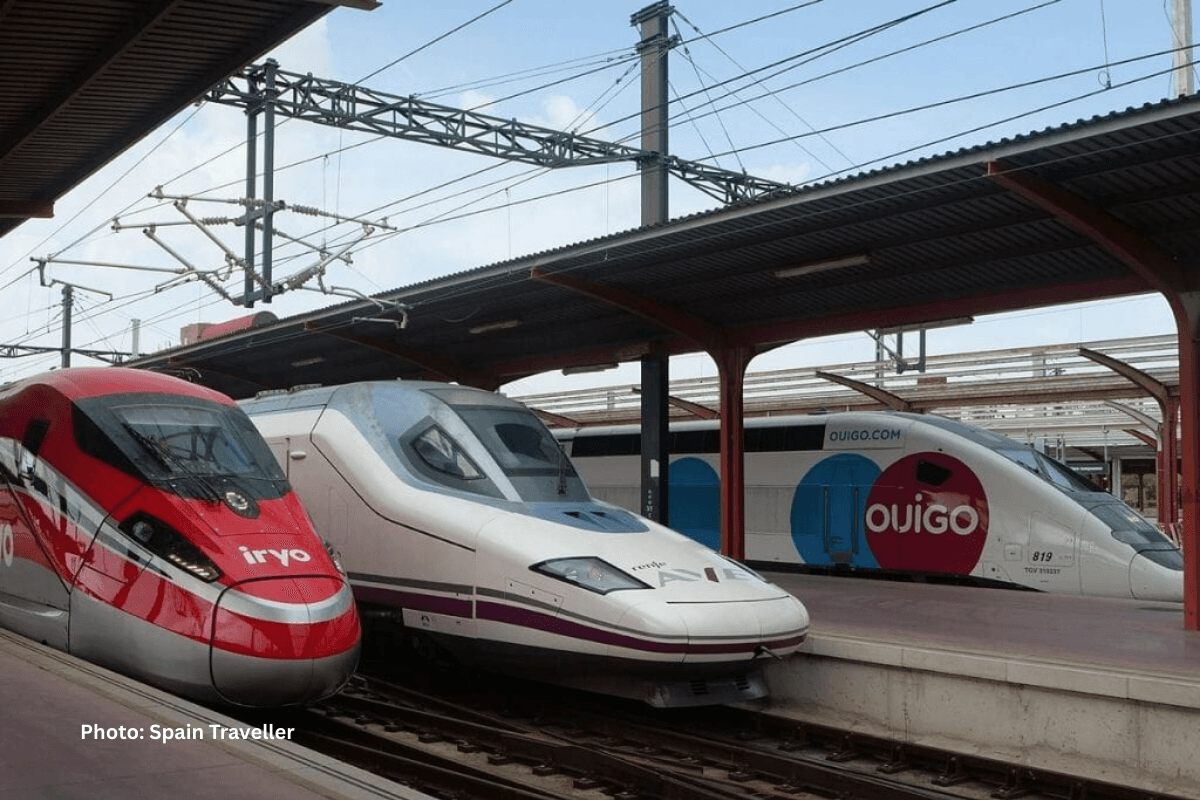
Spanish Rail Sector Faces Demand Dip Post-Accident, Adjusts Pricing Strategies

Engineering Business Management
Share this story
Following a significant accident, Spain's rail sector experienced a sharp decline in passenger demand. In response, companies are adjusting pricing to encourage ridership and restore confidence.