BANGKOK, June 2026 — Thailand’s Transport Ministry has submitted a rail system restructuring proposal to the Cabinet for approval in principle. The initiative seeks to place Bangkok’s electric rail network under a single management framework, supporting long-term efforts to improve coordination among multiple operators and simplify passenger journeys across the metropolitan area.
A central objective of the proposal is the introduction of a common ticketing system and an integrated fare policy. Authorities aim to implement a flat 40-baht fare across Bangkok’s rail network from 1 January 2027, replacing the fragmented fare structures that currently apply across different lines and operators. The reform is intended to reduce travel costs, encourage public transport usage and make transfers between rail services more seamless.
The restructuring would bring various urban rail systems under a unified ownership and management arrangement, addressing longstanding challenges associated with Bangkok’s multi-operator network. By centralising oversight, the government hopes to improve service coordination, fare integration and future network planning as additional rail projects are developed.
For rail stakeholders, the proposal represents a significant institutional shift. Integrated governance models have been adopted in several major cities worldwide to support network expansion, improve operational efficiency and enhance customer experience. The move could also provide a framework for coordinating future investments across Bangkok’s growing urban rail system.
The proposal reflects a broader trend across Asia toward integrated public transport management and multimodal mobility planning. As urban rail networks become larger and more complex, governments are increasingly prioritising unified ticketing, coordinated operations and simplified fare structures to improve ridership and support sustainable urban development.
Source: Bangkok Post
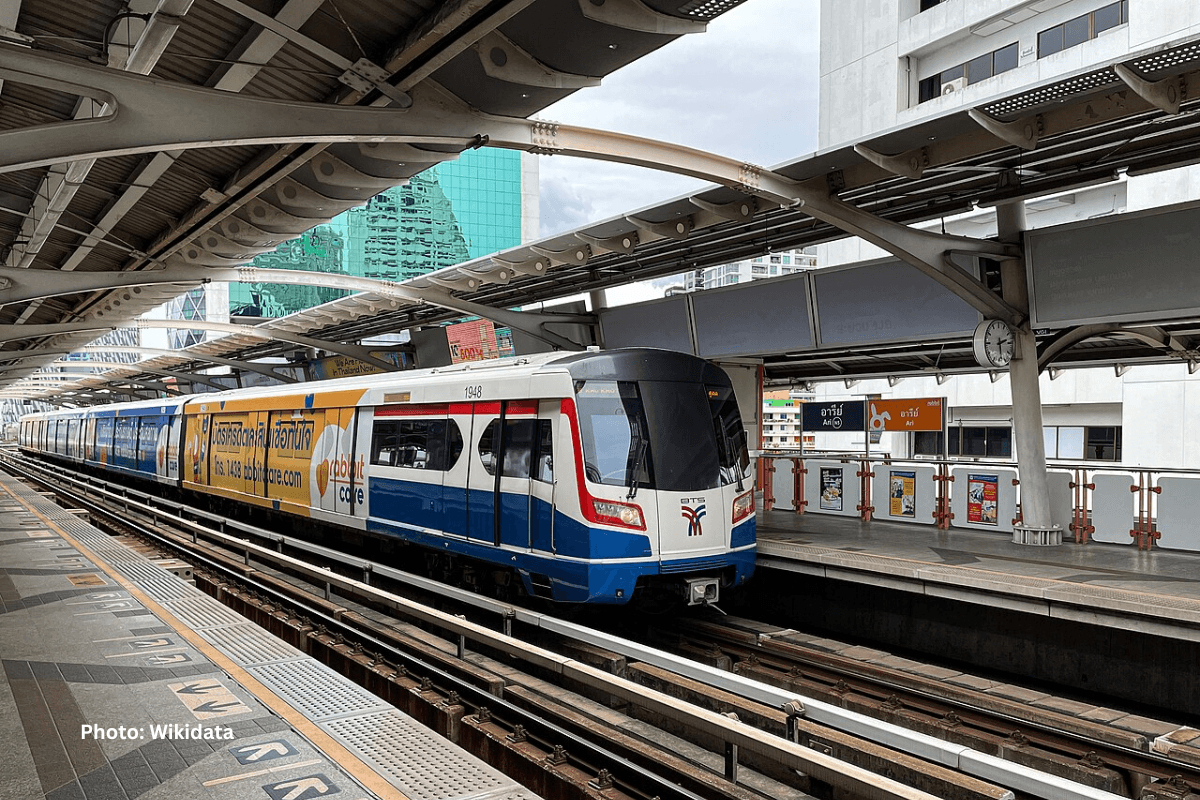
Thailand Advances Plan for Integrated Urban Rail Management

Engineering Business Management
Share this story
Major cities are increasingly pursuing integrated rail governance models to improve passenger experience and network efficiency. Thailand is now moving forward with a proposal to consolidate the management of Bangkok’s urban rail systems, paving the way for unified ticketing and fare structures across the capital’s expanding transit network.


