BANGKOK, January 2026 — The development of efficient and integrated urban rail systems has become a growing priority across Asia’s rapidly expanding cities. In Thailand, Bangkok is taking significant steps toward improving coordination within its complex public transport network, as the government advances plans to centralize rail ownership and fare management.
The Thai Ministry of Transport has proposed a restructuring strategy that would see the state gradually acquire existing private rail concessions. The initiative, supported by Deputy Prime Minister and Transport Minister Phiphat Ratchakitprakarn, aims to place rail infrastructure ownership under the Mass Rapid Transit Authority of Thailand (MRTA), while allowing private operators to continue managing services through operating and maintenance contracts.
This approach is intended to address long-standing issues caused by Bangkok’s fragmented, multi-operator rail system. One of the primary objectives is fare integration, with the government introducing capped daily fares on selected lines such as the Red and Purple Lines as pilot measures. Authorities have indicated that broader fare unification across more routes could be achieved if ownership and management structures are streamlined.
To support the potential buyback of concessions, the Ministry is currently assessing various financing options. These include public funding mechanisms and alternative financial structures designed to limit direct fiscal pressure on the state. However, final funding models have yet to be confirmed.
In parallel, Thailand has already taken legislative steps to improve integration through the Joint Ticket Management Act, which aims to unify ticketing systems across different rail operators and transport modes. Efforts are also underway to enhance feeder bus services and improve last-mile connectivity, strengthening links between rail lines and surrounding urban areas.
While proposals such as comprehensive fare caps and deeper operational integration remain under review, the overall direction reflects Thailand’s commitment to creating a more seamless, affordable and passenger-focused public transportation system. If successfully implemented, Bangkok’s evolving transit reforms could offer valuable lessons for other Asian cities facing similar challenges in managing growing urban rail networks.
Source: Google News Description: unavailable
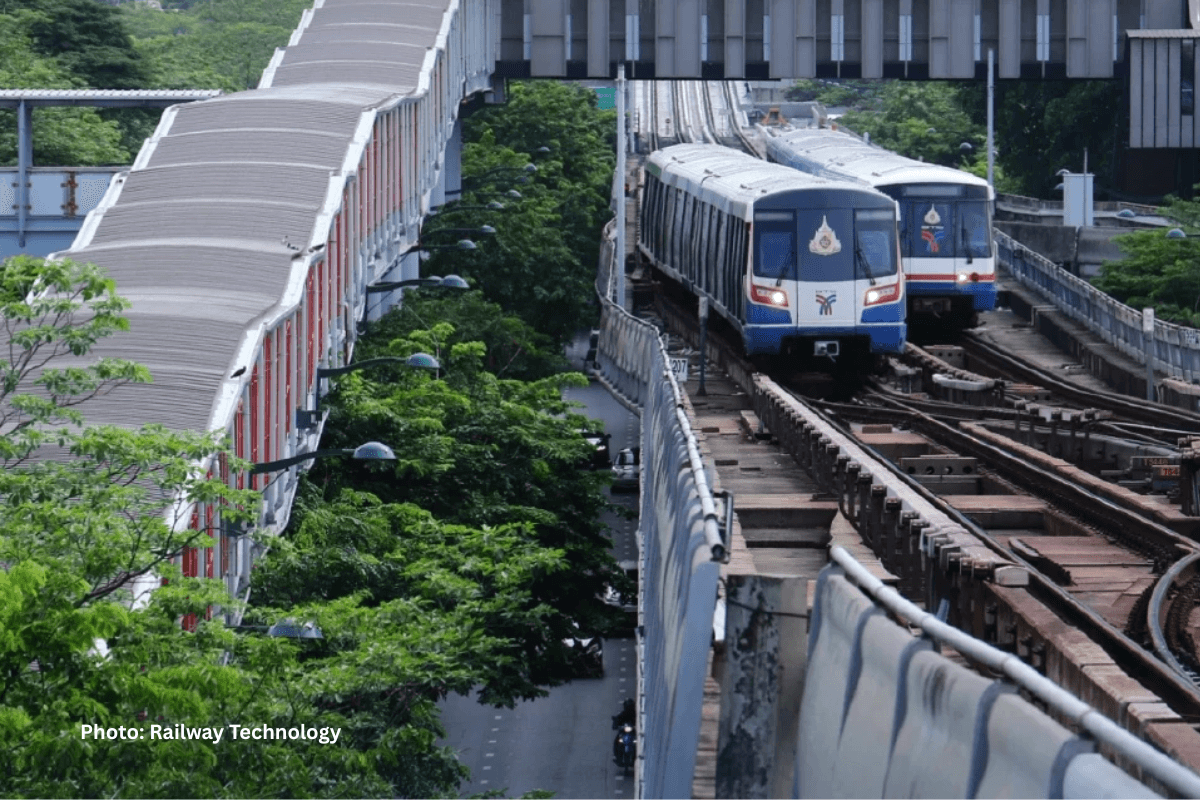
Thailand Pursues Rail Network Nationalization to Enhance Urban Mobility and Efficiency

Engineering Business Management
Share this story
As major Asian cities grapple with expanding urban populations and transport demands, integrated rail networks are becoming crucial for efficient mobility. Thailand's Ministry of Transport is now proposing a significant state buy-back of private rail concessions in Bangkok, aiming to consolidate the city's fragmented system under a single operator. This initiative seeks to streamline operations, reduce passenger costs, and improve overall transit accessibility.


