ISTANBUL, May 2026 — The reopening of this rail corridor represents a critical milestone in the normalization of relations between Türkiye and Armenia, addressing decades of logistical isolation. This development is expected to facilitate more efficient freight movements across the region, reducing transit times for goods moving between the Mediterranean and the Caucasus.
Turkish officials have framed the opening as a foundational step for quadruple cooperation involving Türkiye, Armenia, Azerbaijan, and Georgia. By restoring this link, the regional transport network gains a vital artery that supports direct trade and enhances the reliability of the Middle Corridor, which connects Europe to Asia via the South Caucasus.
For Armenia, the development provides essential rail access to major global markets, including Russia via Georgia and Azerbaijan, and China through Kazakhstan. Prime Minister Nikol Pashinyan emphasized that the route through Türkiye and Georgia will significantly strengthen Armenia’s economic ties with the European Union, providing a more robust alternative to existing road-based logistics.
This project aligns with broader regional efforts to diversify transport routes and reduce dependency on single-border crossings. Historically, the lack of rail connectivity has hindered economic growth in the landlocked South Caucasus; however, the anticipated establishment of further links with Azerbaijan and Iran suggests a comprehensive restructuring of regional logistics hubs.
The successful activation of this link underscores a growing industry trend toward regional infrastructure diplomacy as a means of fostering economic interdependence. As stakeholders look toward future expansions, the focus will likely shift to harmonizing border procedures and technical interoperability to maximize the throughput of these newly integrated rail networks.
Source: Daily Sabah
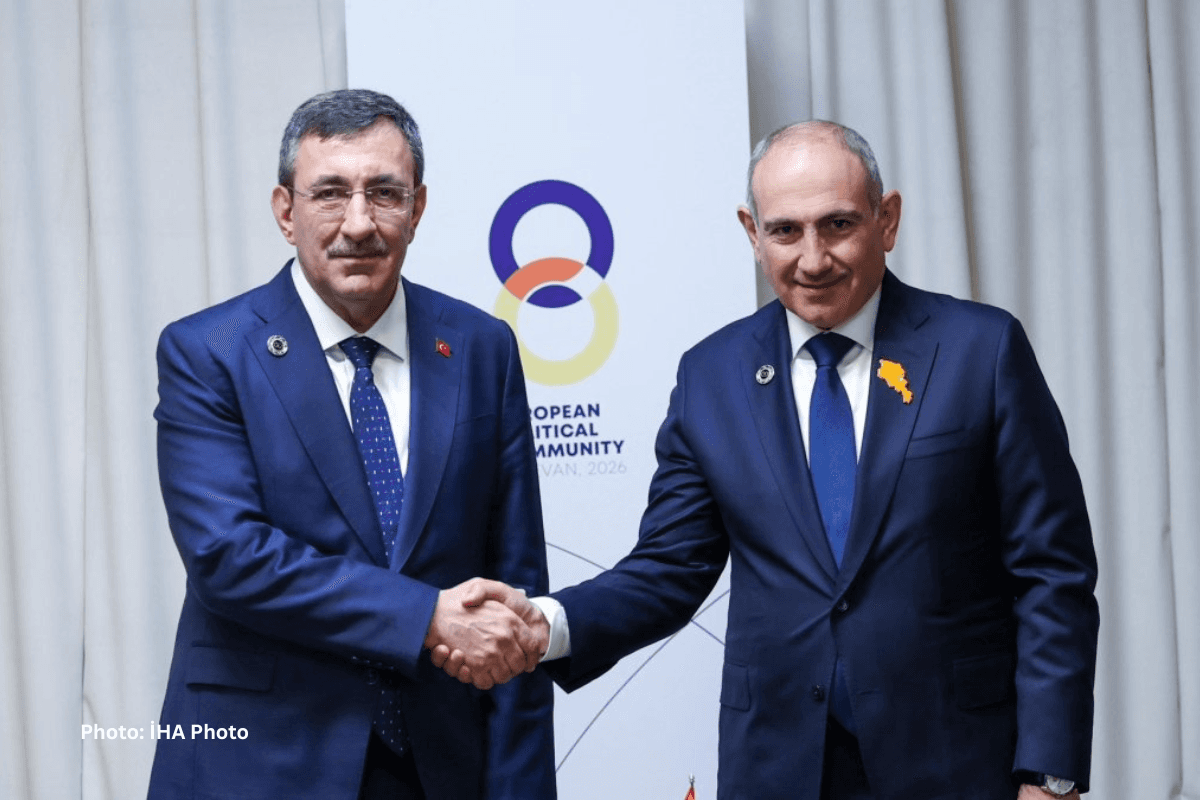
Türkiye and Armenia Open Strategic Railway Link to Enhance Regional Connectivity

Engineering Business Management
Share this story
The restoration of cross-border rail infrastructure in the South Caucasus marks a pivotal shift toward integrated Eurasian trade corridors and regional stability. On May 24, 2026, Türkiye and Armenia officially opened a railway link as part of their ongoing normalization process, signaling a new era of direct trade and multi-modal cooperation.