
Dec 6, 2025
HYDROGEN RAIL AT A CROSSROADS AS EUROPE PAUSES AND JAPAN ACCELERATES INNOVATION
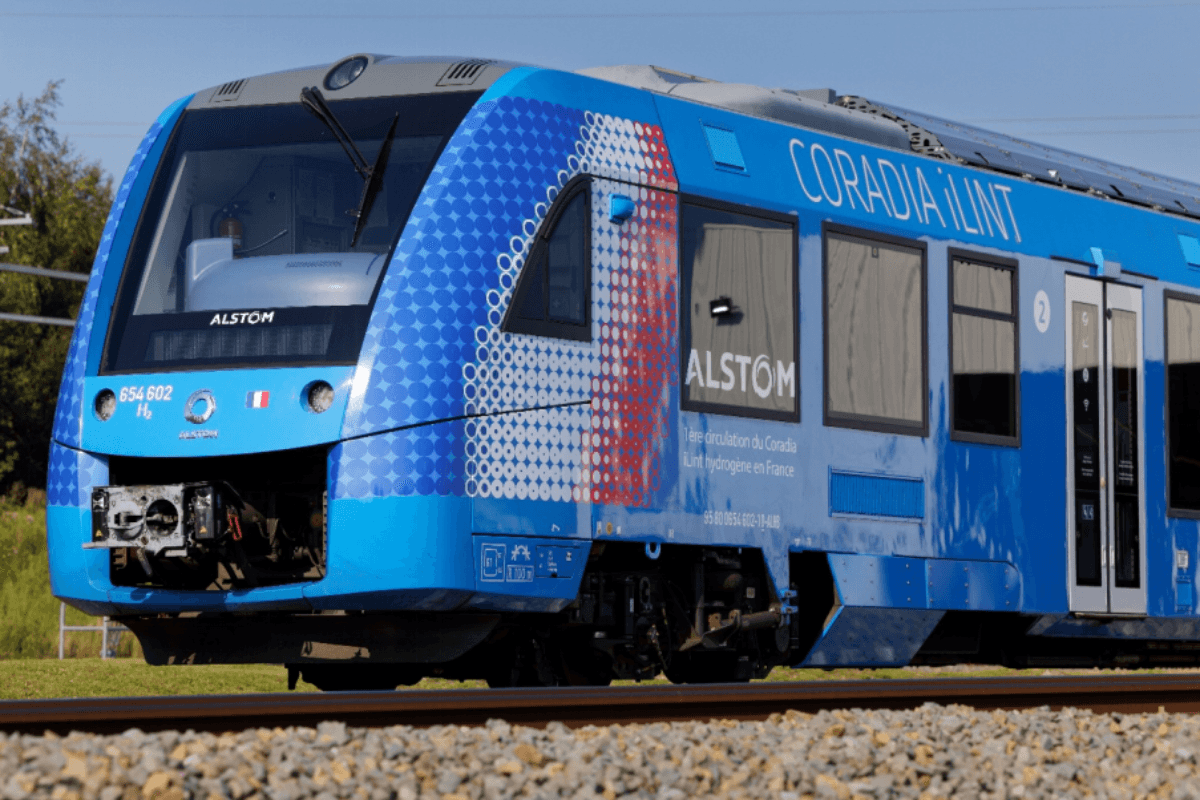
Hydrogen rail is entering a new and revealing phase of maturity. Just a few years ago, Europe championed hydrogen as the natural successor to diesel traction on secondary rail lines. Today, that enthusiasm looks more fragile. France’s decision to cut funding for Alstom’s hydrogen-train development program has reshaped expectations across the industry, with the company pausing its future R&D pipeline.
This shift doesn’t come out of nowhere. Field deployments in Germany revealed reliability issues tied to fuel-cell supply chains, while operators struggled with servicing and component availability. Such challenges align with what recent studies describe as the “non-uniform maturity” of hydrogen rail systems. In France, for example, SNCF’s own modelling work shows that hydrogen is only viable on specific types of lines and is heavily dependent on infrastructure readiness and operational constraints.
Europe remains committed to decarbonisation. However, the recalibration acknowledges a reality that researchers have repeatedly emphasised: there is no single, universal solution for replacing diesel. Hydrogen, battery-electric, partial electrification, and even clean combustion retrofits each serve distinct roles, a nuance often overlooked in early political announcements.
Japan Builds Momentum with Engineering Discipline
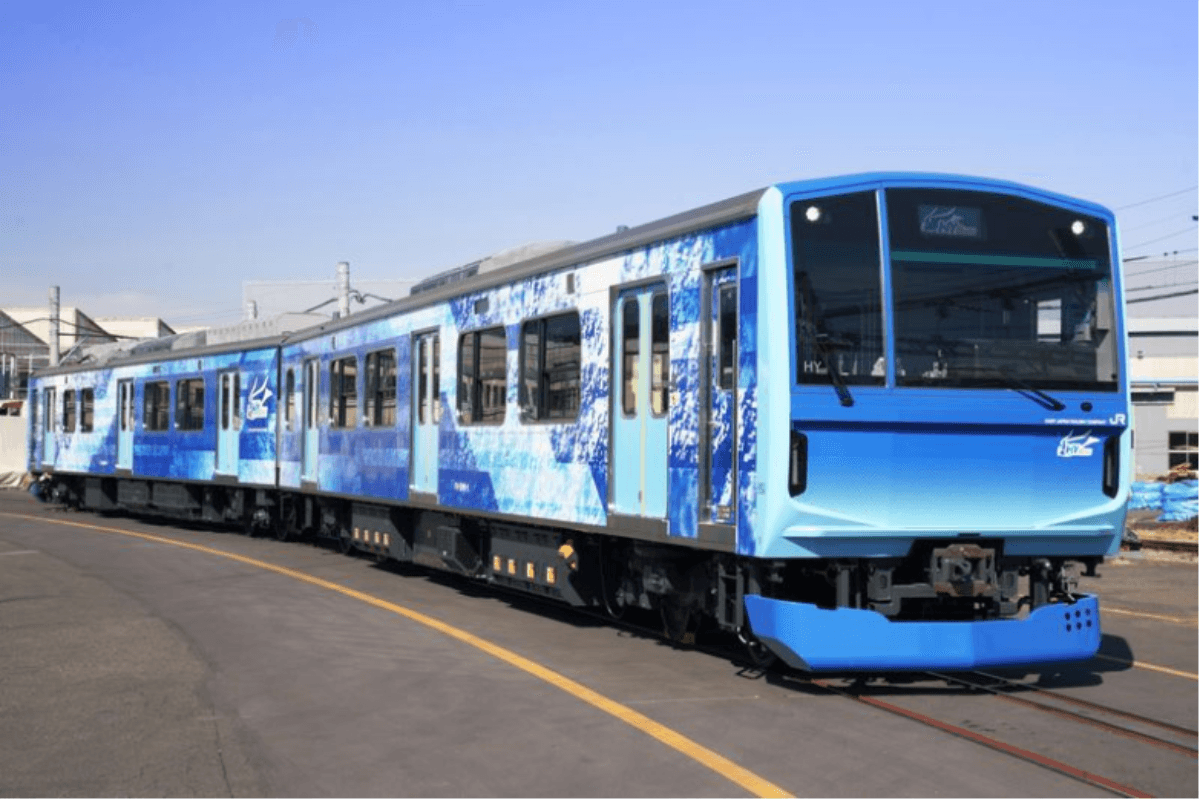
Photo credit: JR East
Japan, meanwhile, advances with a steady hand. Its HYBARI project, a hydrogen–battery hybrid developed by JR East, Toyota, and Hitachi, represents a different philosophy of innovation. Instead of aiming immediately for large-scale replacement, HYBARI focuses on achieving realistic performance for regional lines, including moderate speeds, predictable stopping patterns, and a range of around 140 km per fill.
That approach aligns closely with global research. Studies presented in Saudi Arabia’s hydrogen locomotive review note that hydrogen performance strongly depends on duty cycles, with fuel cells most effective in consistent, medium-power operations rather than high-demand freight or steep mountainous routes. Japan understands this and deliberately targets operational envelopes where hydrogen hybrids can shine.
The result is a system engineered not for headlines but for reliability, combining automotive-grade fuel cells with traction batteries that manage peak loads and sophisticated control systems that maximise energy regeneration.
Trials on the Tsurumi and Nambu lines have demonstrated consistent results, and Japan positions hydrogen as a long-term contributor to its 2050 net-zero target, without the pressures of forced rapid deployment.
What Global Research Shows: Hydrogen Has a Clear Purpose, but Not Everywhere
The broader body of research, from Europe to the UK to Hungary, reaches a remarkably consistent finding: hydrogen’s role must be targeted, not universal.
From the SNCF QUALESI study, hydrogen hybrid trains are suitable for lines where battery-only units cannot meet energy demands or where partial electrification offers limited benefits. Secondary regional lines with variable gradients, limited dwell time, and long non-electrified stretches fit this profile well.
From the UK hydrogen combustion engine analysis- Hydrogen can deliver diesel-like performance and zero carbon emissions, but its deployment depends on the proximity of infrastructure, route length, and the cost of converting existing fleets. Hydrogen combustion emerges as a practical near-term decarbonisation pathway for diesel multiple units (DMUs) on non-electrified routes, with lower conversion costs than fuel-cell systems.
According to Hungarian regional assessments, hydrogen becomes more attractive when paired with renewable energy storage strategies, particularly in areas where wind and solar surpluses can be converted into low-cost green hydrogen. Still, infrastructure, maintenance-based readiness, and local energy economics determine line-by-line feasibility.
According to Polish and European technology reviews, hydrogen’s advantages lie in its energy density and clean operation; however, its high cost, storage complexity, and limited experience in heavy-rail applications remain significant barriers. Yet countries continue to introduce hydrogen units, including Alstom’s iLint, Siemens’ Mireo Plus H, and PESA’s emerging locomotive fleet, each suited to different performance envelopes.
Together, these findings demonstrate that hydrogen rail succeeds only where its technological strengths align directly with operational needs, rather than serving as a one-size-fits-all diesel replacement.
What the Divergence Reveals About Hydrogen’s Future
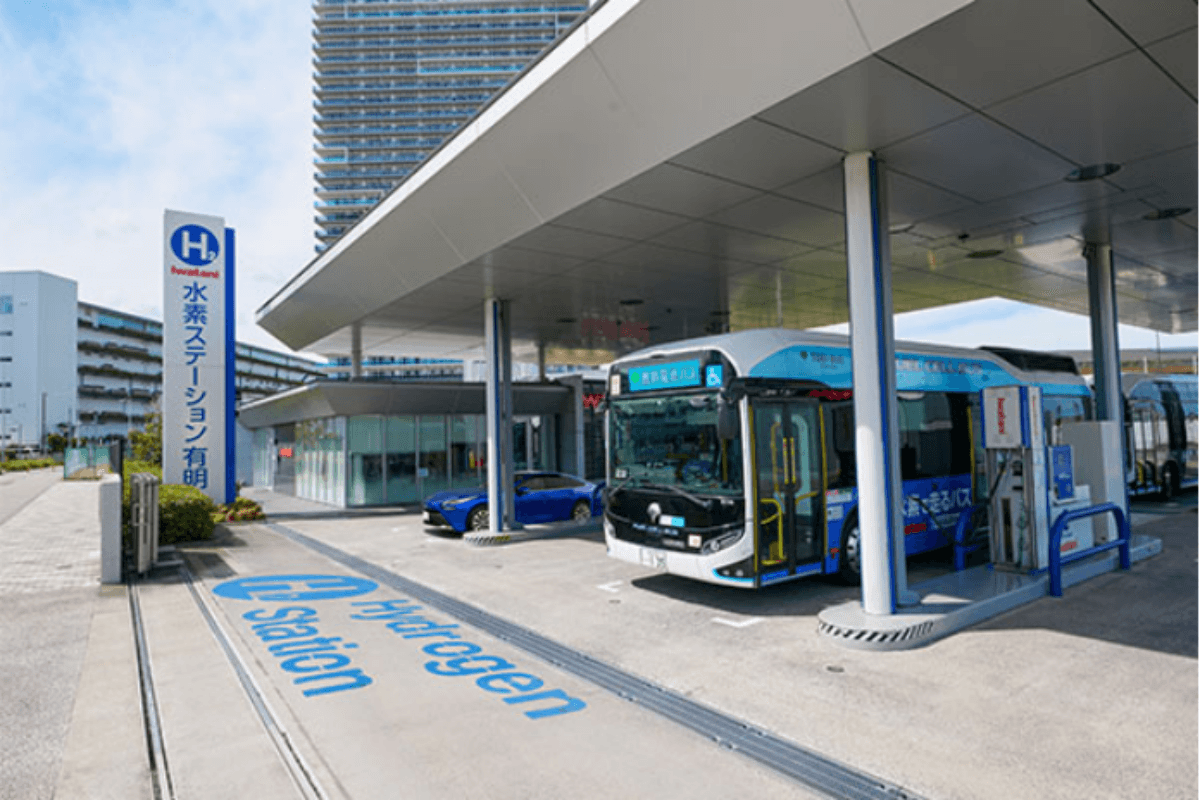
Photo credit: JR East
The contrast between Europe and Japan highlights a more profound truth about the future of hydrogen rail: engineering success requires more than technological optimism. Hydrogen systems must integrate reliably into the real operational environment, supported by stable infrastructure and cohesive industrial supply chains.
Japan benefits from a powerful cross-sector alliance. In Europe, hydrogen rail depends on a more fragmented supply chain, leaving operators vulnerable to disruptions in fuel-cell manufacturing, hydrogen supply, or component availability. Japan’s vertically integrated structure shields HYBARI from many of these vulnerabilities.
Hydrogen propulsion still holds strong potential for regions where electrification is either financially impractical or geographically inaccessible. However, the technology must compete not only with diesel but also with cleaner alternatives, such as battery-electric EMUs, which have seen rapid improvements in both cost and performance. Hydrogen’s long-term viability will depend on whether countries can replicate Japan’s ecosystem, characterised by realistic deployment expectations, stable funding, and deep engineering collaboration.
A Realistic but Promising Future
Hydrogen trains will not transform rail overnight. However, they remain a compelling option for specific corridors where conventional electrification is not economically feasible. Japan’s HYBARI demonstrates what hydrogen rail looks like when tested, refined, and deployed with measured confidence rather than political urgency.
Europe’s pause does not signal failure. Instead, it marks a recalibration, a recognition that hydrogen requires stable funding, resilient supply chains, and technology maturity before widespread adoption. Japan’s progress offers a blueprint for how hydrogen rail can evolve, step by step, grounded in engineering, and aligned with long-term decarbonisation goals.
If hydrogen rail is to become a significant part of the clean-transport architecture, it will succeed not through sweeping announcements but through the kind of disciplined, incremental innovation now unfolding in Japan.
Related Post



Latest Post


Subscribe Us
Get Subscribe To Our Latest News & Update