
Dec 5, 2025
THE RETURN OF RAILWAY AMBITION IN A COUNTRY READY TO REBUILD
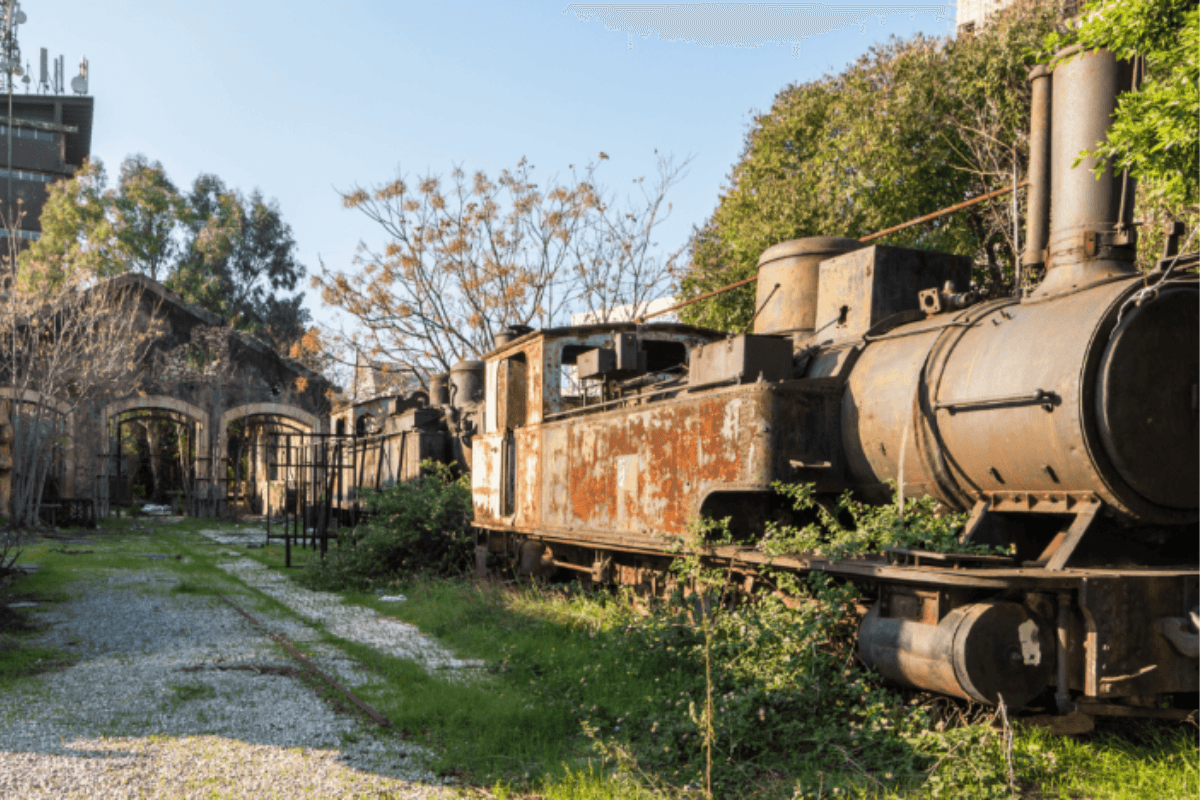
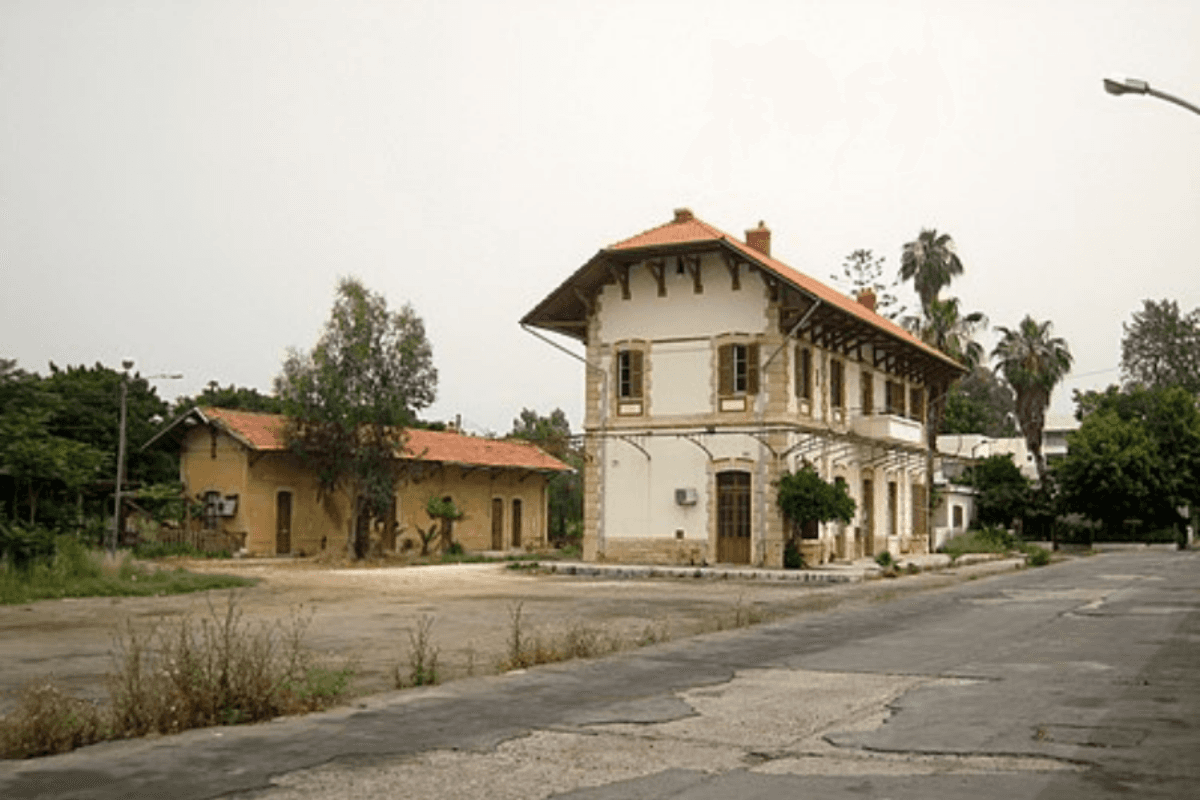
Photo credit: Local Beirut urban heritage archives
Lebanon’s railway network, once the beating steel artery of the eastern Mediterranean, is stirring back to life. After fifty years of silence, the country is finally confronting its long-abandoned lines and asking whether the railways that once shaped its modern identity can rise again. What began as scattered restoration efforts has, in 2025, become a groundswell of public interest and institutional attention. The revival is no longer wishful thinking; it is an early movement toward reclaiming the nation’s transport legacy.
A System Once Central to the Middle East
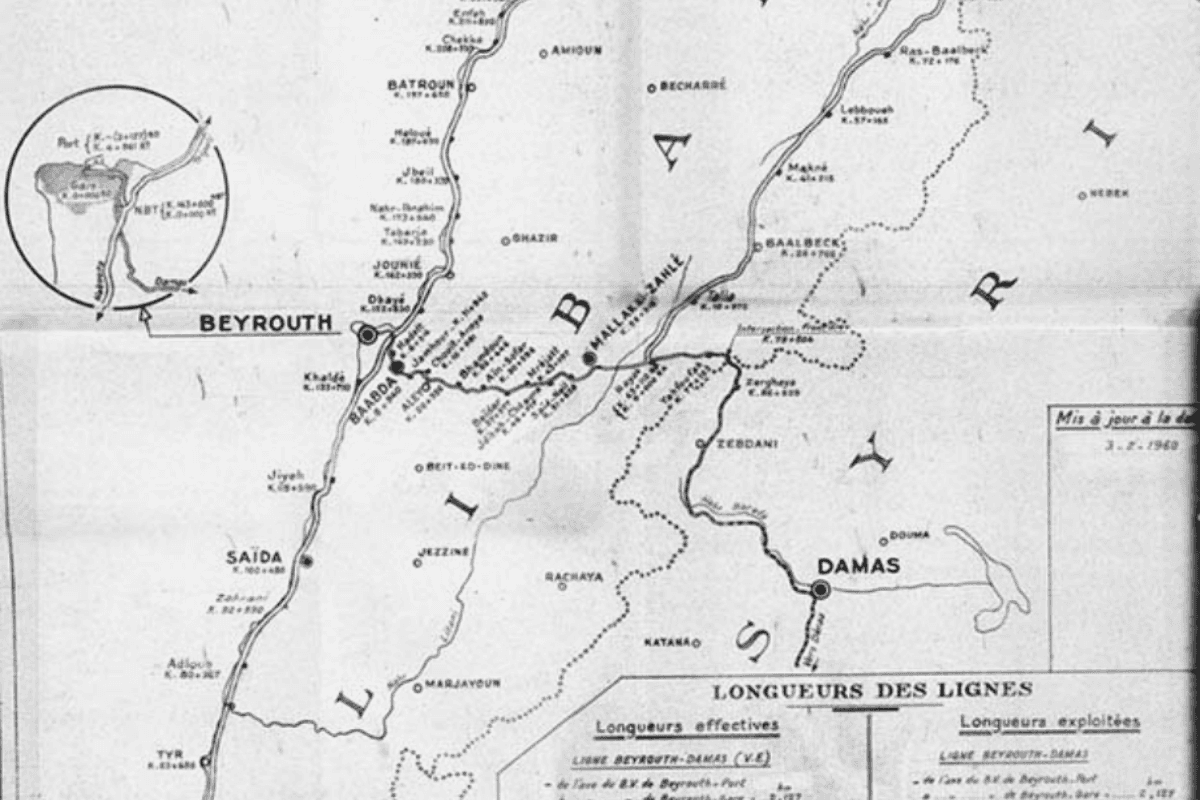
Photo credit: Train Lebanon archival map
Lebanon once operated over 400 kilometres of track connecting Beirut, Tripoli, Rayak, and the Syrian border. Its Ottoman-era Beirut–Damascus line, inaugurated in 1895, was one of the region’s most important international rail links. By the 1960s, trains carried schoolchildren, agricultural produce, mail, and cross-border passengers with a reliability that now feels unimaginable.
Civil war brought this entire system to a halt. By the 1990s, the network had been stripped, encroached upon, or left to deteriorate under the ravages of rust and vegetation. Lebanon entered the 21st century as a country where railroads existed only in memory. But the past year has finally broken that inertia.
A Station Reborn
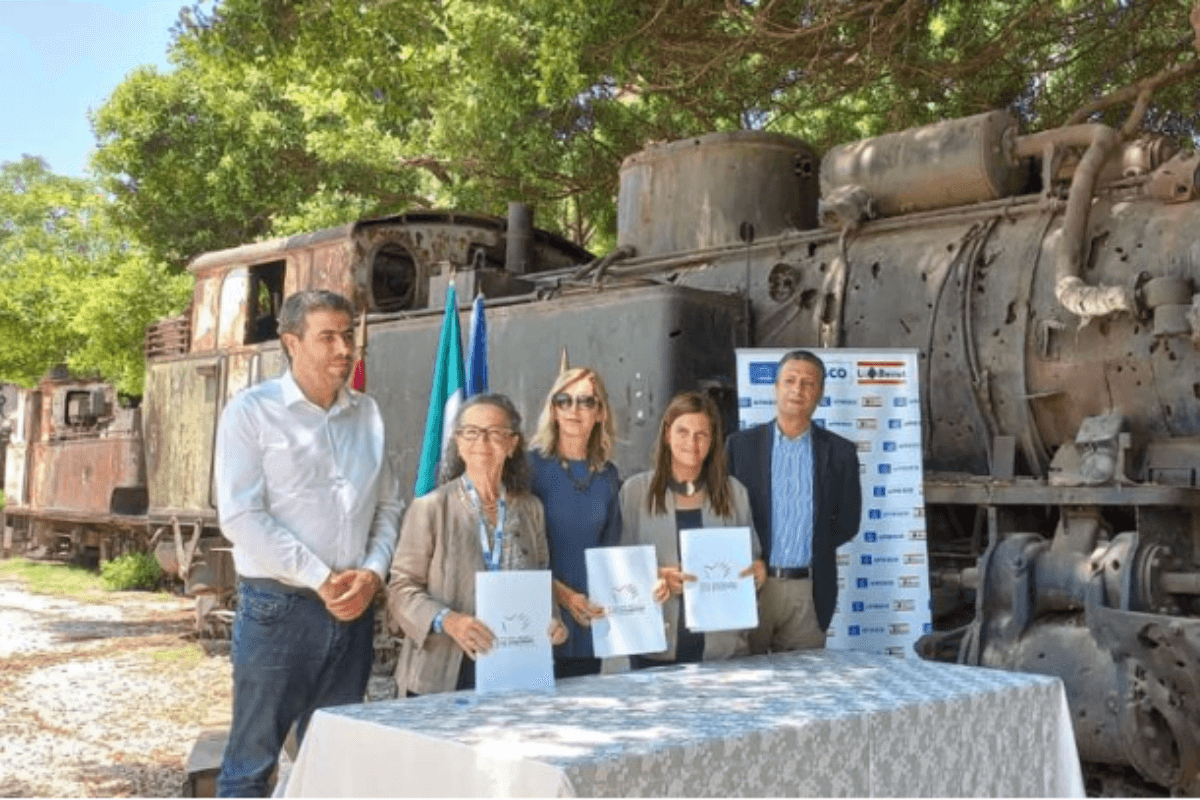
Photo credit: UNESCO Beirut Office
The revival begins at Mar Mikhael, the historic Beirut terminus that for decades symbolised abandonment. Today, scaffolding climbs the old stone walls, and workers carefully remove years of damage caused by blast, weathering, and neglect. Under a new partnership between the Lebanese government and UNESCO, the station is undergoing a full architectural and heritage restoration. While trains are not yet returning to their platforms, restoring this national landmark signals something far more important: state-level recognition that the railway is not dead.
This is the first physical investment in Lebanon’s rail heritage in decades. The project has reignited public dialogue, demonstrating that railway rehabilitation is not merely nostalgic, but also infrastructural, cultural, and strategic.
Restoring Memories, One Rail at a Time
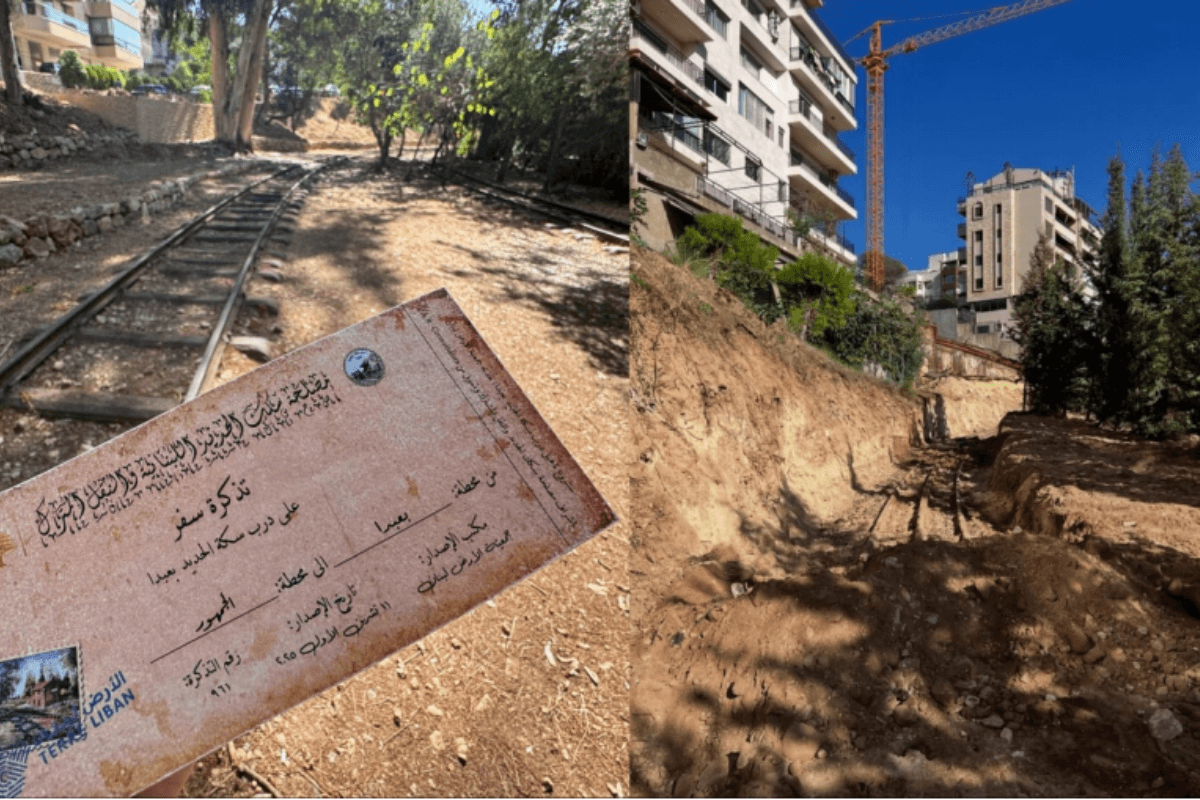
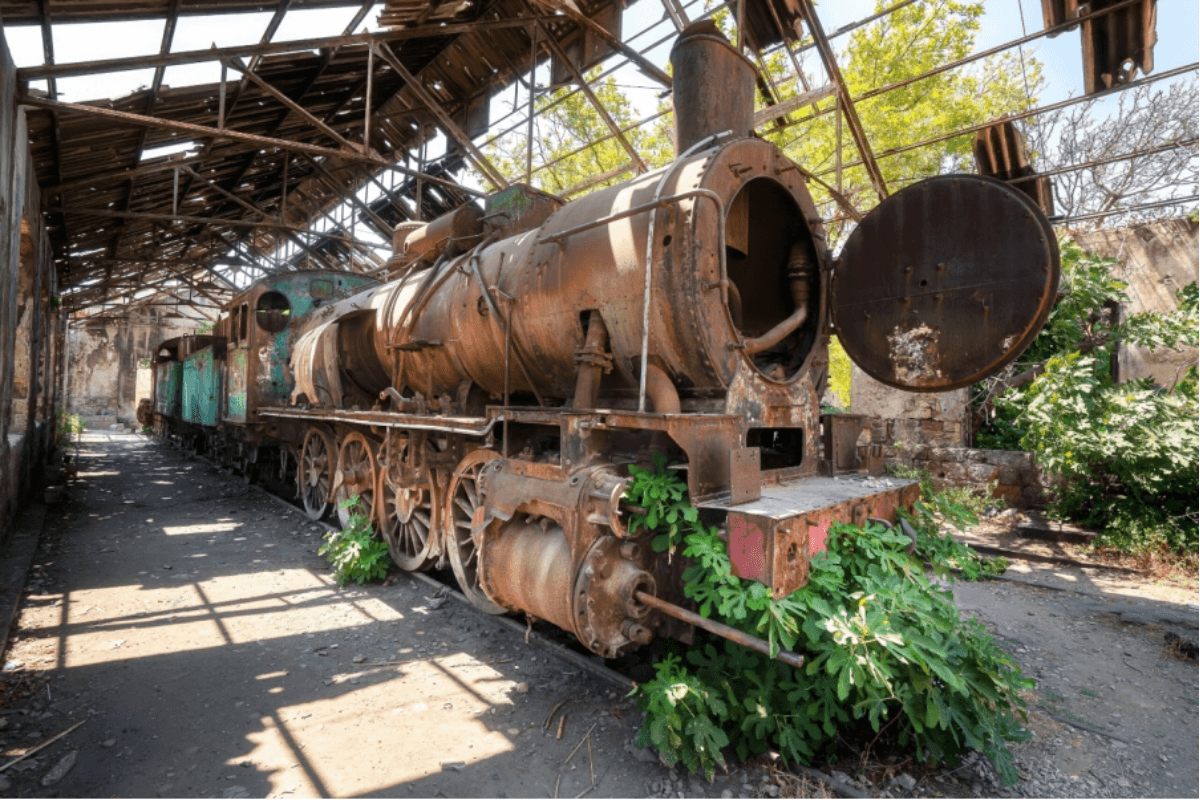
Photo credit: Baabda Municipality & volunteers
In Baabda, the revival takes a grassroots form. A 4-kilometre stretch of abandoned track has been cleared, cleaned, and reopened as the Baabda Railway Trail. Old sleepers have been exposed, rails preserved, and vegetation trimmed away to reveal a forgotten corridor.
Families now walk these tracks on weekends. Elderly residents pause to tell stories of riding the train to school or visiting relatives across the mountains. The trail reminds visitors that this infrastructure was once alive with movement. It is not a traditional transport project, but it signals a significant shift. A population that reconnects with its railway history becomes a population that demands its return.
How Other Nations Revived Their Railways — Lessons for Lebanon
Photo credit: Baabda Municipality & volunteers
In Baabda, the revival takes a grassroots form. A 4-kilometre stretch of abandoned track has been cleared, cleaned, and reopened as the Baabda Railway Trail. Old sleepers have been exposed, rails preserved, and vegetation trimmed away to reveal a forgotten corridor.
Families now walk these tracks on weekends. Elderly residents pause to tell stories of riding the train to school or visiting relatives across the mountains. The trail reminds visitors that this infrastructure was once alive with movement. It is not a traditional transport project, but it signals a significant shift. A population that reconnects with its railway history becomes a population that demands its return.
How Other Nations Revived Their Railways — Lessons for Lebanon
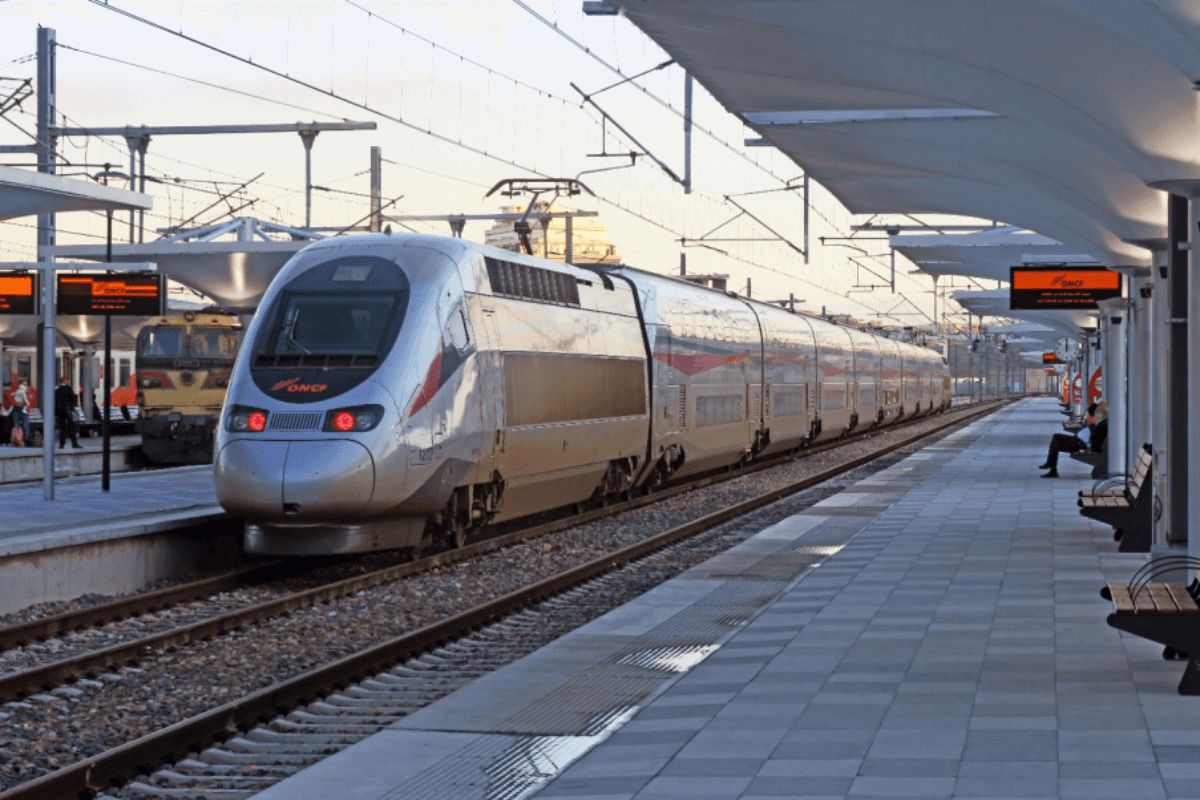
Photo credits: ONCF Morocco
Morocco offers another striking example. Through ONCF, it modernised its legacy network, secured international partnerships, and ultimately launched Africa’s first high-speed line. Morocco’s rail renaissance is a reminder that even nations with limited resources can make significant strides when policy, funding, and expertise align.
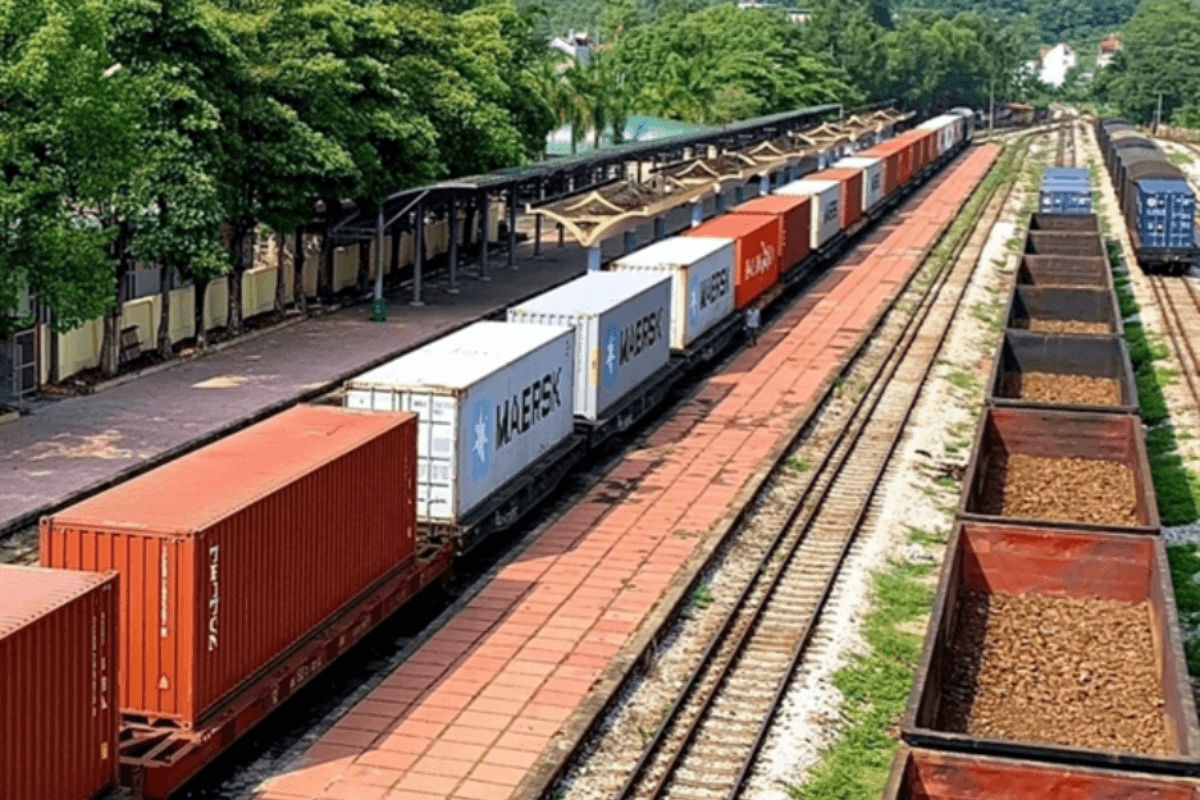
Photo credits: Vietnam Railways
Vietnam’s revival demonstrates the practicality of a freight-first strategy. By restarting cargo operations and utilising rail to enhance port connectivity, the country generated the revenue necessary to restore broader passenger operations.
Such models show that Lebanon’s revival is not implausible, but it does require a deliberate strategy. Freight between Tripoli, Beirut, and the Syrian border may prove to be the most realistic entry point, laying a foundation that can financially sustain future passenger routes.
Lebanon’s Crossroads: Symbolism or Strategy?
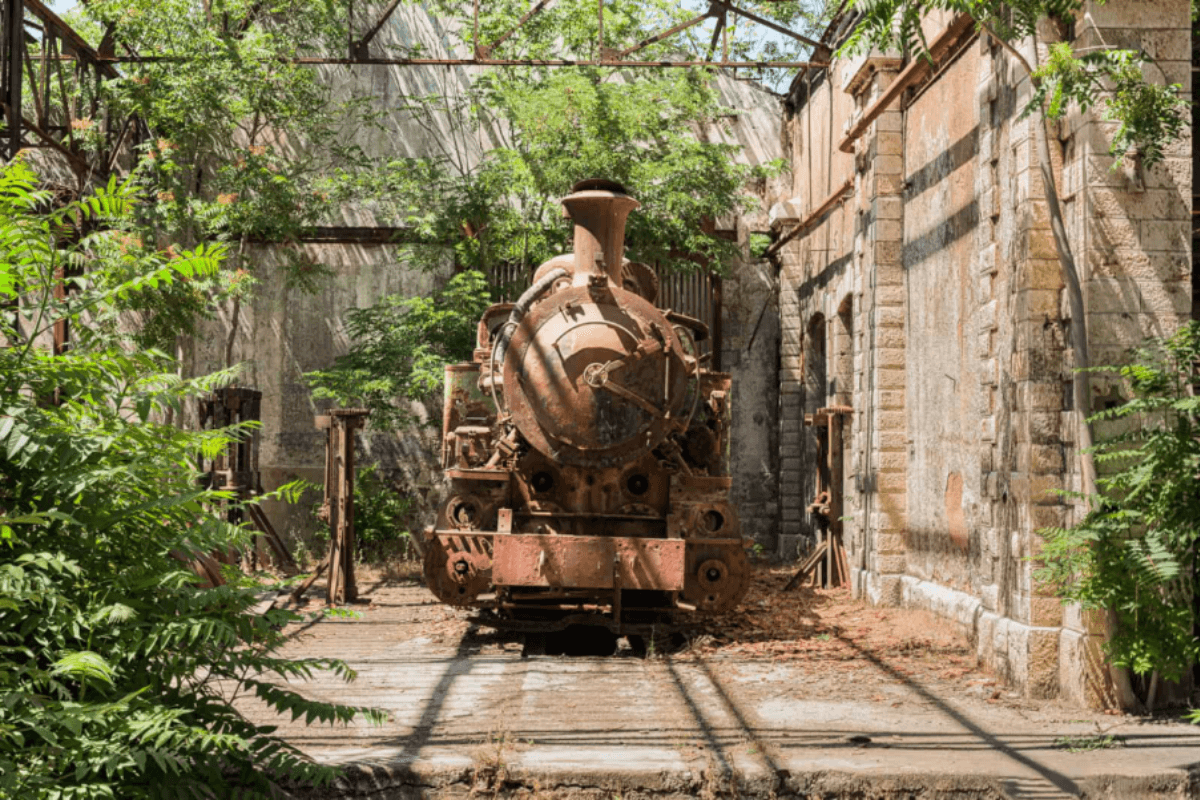
Photo credit: Lebanese Railways archives
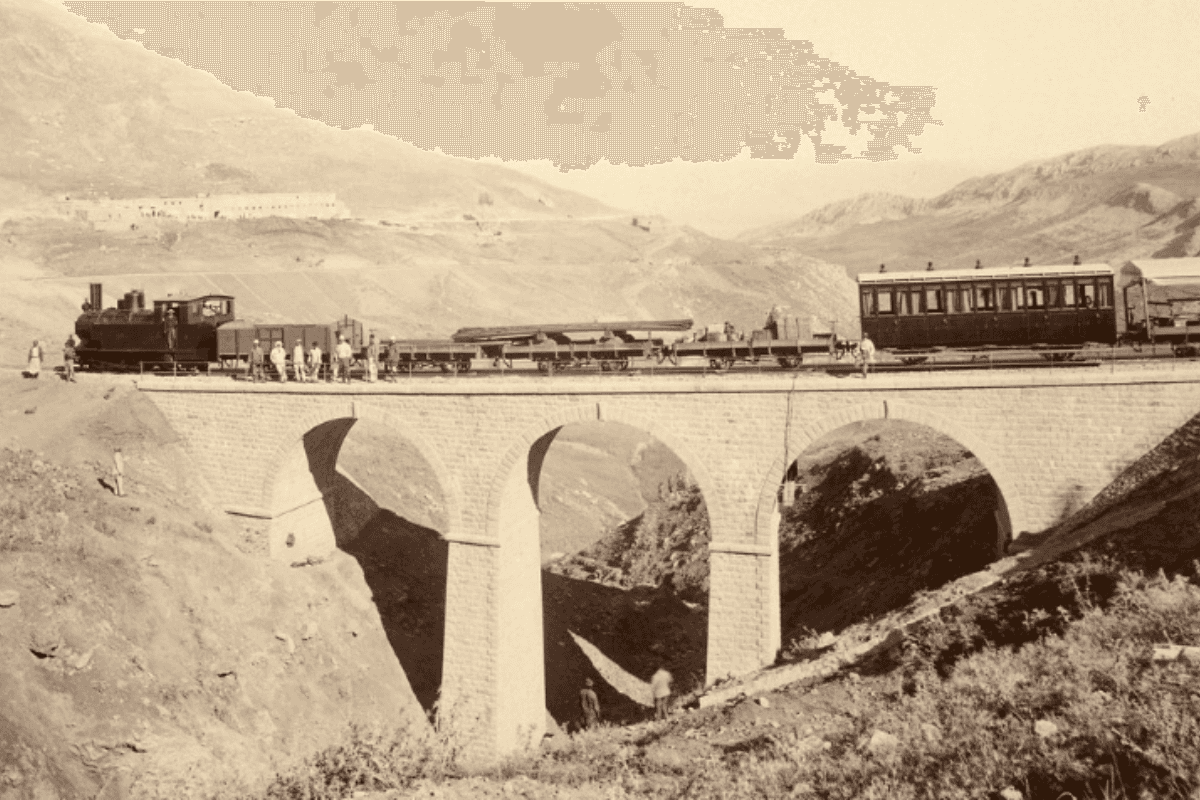
Photo credit: Public Transport Authority (LRPTA) archives
Lebanon now stands at a decisive moment. The restoration of Mar Mikhael and the Baabda Railway Trail, while deeply meaningful, remains a symbolic gesture unless followed by institutional resolve. True revival requires an empowered national rail authority, legal protection of rail corridors, long-term investment planning, and regional cooperation, especially for cross-border freight.
The country must decide whether these early projects become catalysts or curiosities. The momentum is real, but it must be matched by policy, funding, and political stability.
A Future Still on the Horizon
Back at Mar Mikhael, the outlines of the station’s old roof are gradually returning to shape. Engineers inspect its timber arches, designers study aged blueprints, and volunteers document every detail of preservation. For the first time in half a century, Lebanon’s railway story feels unfinished, not abandoned.
The nation is rediscovering the power of rail, not as a nostalgic relic, but as an essential infrastructure for economic recovery, heritage preservation, and regional reintegration. The revival is still in its early chapters, but the country has begun to reclaim the tracks that once connected its people and its future.
Lebanon’s railway is no longer a relic. In 2025, it is becoming a possibility again, one restored station, one cleared track, and one renewed vision at a time.
Disclaimer
This article reflects the personal editorial perspective of the Editor-in-Chief and is intended for informative and analytical purposes only. All interpretations, opinions, and projections expressed herein are subjective and do not represent official positions of any government, organisation, institution, or entity mentioned. The content is based on publicly available information and reasonable editorial judgment. It is not intended to cause harm, defamation, or misrepresentation, nor to assert any claims of legal, contractual, or operational liability on any party. Readers are advised to verify information independently where necessary.
Related Post



Latest Post


Subscribe Us
Get Subscribe To Our Latest News & Update