SINGAPORE, February 2026 — The Land Transport Authority (LTA) has released its first monthly rail reliability report for 2026, detailing performance metrics for Singapore's Mass Rapid Transit (MRT) network. These reports are crucial for maintaining transparency and driving continuous improvement in one of Asia's most advanced urban rail systems, especially following a period of increased disruptions.
In January 2026, the overall Mean Kilometres Between Failures (MKBF) for the MRT network rose to 1,673,000 train-km, an improvement from 1,606,000 train-km in December 2025. Significant gains were observed on the North-South Line (NSL), East-West Line (EWL), North-East Line (NEL), and Downtown Line (DTL), with their respective MKBF figures showing upward trends. Conversely, the Circle Line (CCL) saw its MKBF decrease from 2,464,000 to 1,834,000 train-km, making it the sole line to experience a dip in reliability during the reporting period.
This mixed performance highlights the ongoing challenges in managing aging infrastructure alongside network expansion. The CCL's decline, attributed partly to a delay on January 13 and preceding tunnel strengthening works, indicates the need for targeted interventions. The LTA's commitment to publishing monthly data allows for closer scrutiny of individual line performance and the effectiveness of maintenance strategies.
Despite the CCL's setback, all individual MRT lines met the LTA's MKBF target of 1 million train-km. The LTA also monitors other key performance indicators such as Train Service Delivery (TSD) and train punctuality, though the reliability performance of the newer Thomson-East Coast Line (TEL) was not included due to its lower operational mileage and frequency compared to established lines.
The LTA's proactive reporting and focus on reliability metrics align with broader trends in the Asian rail sector, where operators are increasingly investing in system upgrades, predictive maintenance, and technological advancements to ensure service continuity and enhance passenger experience amidst growing urban populations.
Source: CNA
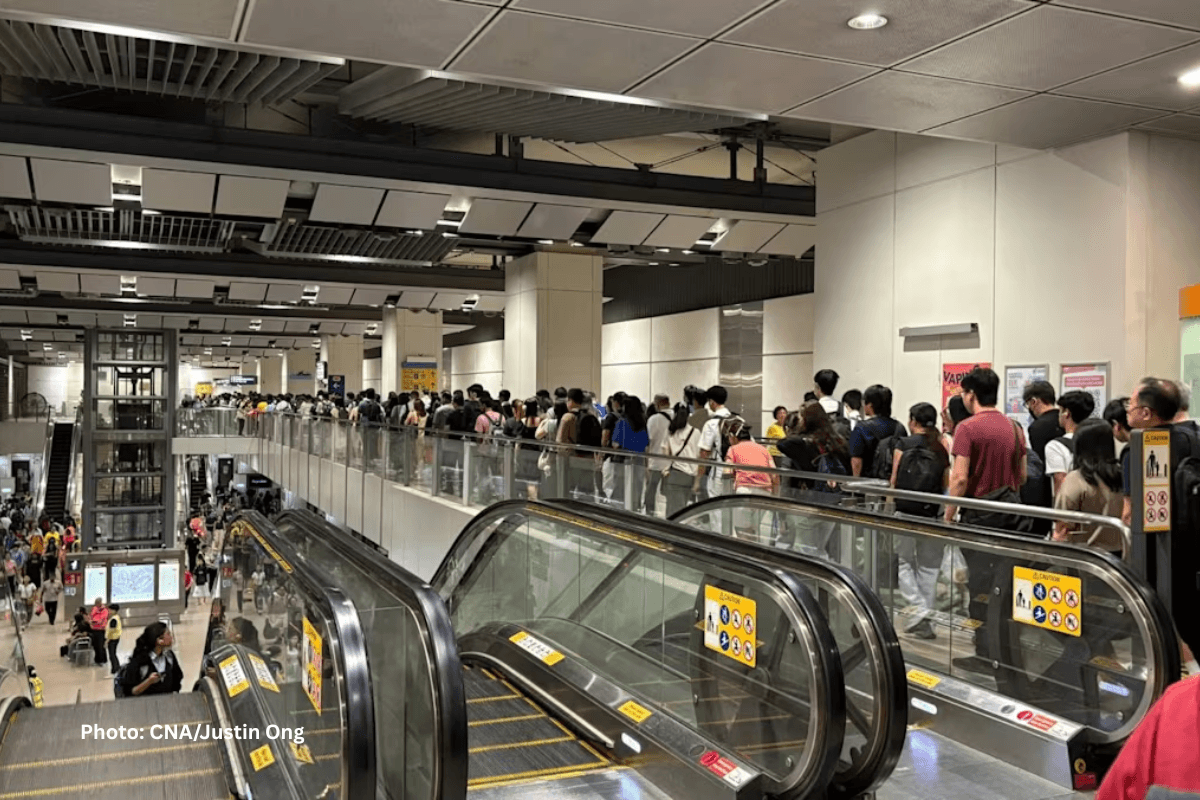
Singapore MRT Network Reports Improved Overall Reliability in January 2026 Amidst Circle Line Challenges

Engineering Business Management
Share this story
As urban rail networks across Asia prioritize operational efficiency, Singapore's MRT system demonstrated an overall increase in reliability for January 2026. However, the Circle Line experienced a notable decline, underscoring the complexities of maintaining consistent performance across diverse infrastructure.


