ANKARA, January 2026 — Turkey's strategic geographical positioning at the intersection of Asia and Europe establishes it as a crucial link in the global trade framework. The importance of the country's transportation infrastructure in facilitating trade flows across these regions cannot be overstated. In acknowledgement of this significance, the Turkish government has initiated a comprehensive Investment Program for 2026, which allocates an impressive total of 508.16 billion liras specifically to the transportation and communications sectors. This substantial financial commitment underscores the government's dedication to modernizing and expanding infrastructure to meet the evolving demands of a dynamic economy.
A significant portion of this allocation, exceeding 261.5 billion Turkish liras, is designated for railway projects, which encompass a total of 91 distinct initiatives. The execution of these projects will involve several entities: the Turkish State Railways (TCDD) will oversee 54 projects, TCDD Transport will manage 15, and the Ministry of Transport and Infrastructure will coordinate 22 projects. This collaborative framework is designed to ensure effective and efficient upgrades to the railway network.
Planned initiatives within this framework include the development and expansion of high-speed rail lines, notably the Ankara–Izmir and Konya–Karaman–Mersin routes. These high-speed connections are anticipated to considerably reduce travel times and enhance connectivity among major urban centers. Additionally, the establishment of critical freight corridors, such as the Cerkezkoy–Kapikule and Adana–Osmaniye–Gaziantep routes, will improve logistical operations, facilitating the rapid movement of goods and strengthening trade.
The investment program also prioritizes essential upgrades to suburban rail lines to enhance passenger mobility in metropolitan areas. Furthermore, the construction of connections to industrial zones is a key focus, aimed at streamlining the transport of materials and products. By improving both passenger and freight transport capabilities, these initiatives will contribute to logistical efficiency and economic growth.
Since 2016, Turkey has embarked on several initiatives aimed at procuring domestically manufactured electric train sets and mainline locomotives, with anticipated completion by 2028. Some ongoing investments are projected to conclude by 2026, while others may extend into 2032. This methodical approach to infrastructure development allows for systematic upgrades while addressing the complexities inherent in the transportation ecosystem.
The substantial investment in railway infrastructure reflects Turkey’s objective to establish itself as a pivotal transit hub within Eurasia. By prioritizing advancements in rail connectivity, the nation aims not only to facilitate increased trade but also to promote enhanced economic integration. This strategic initiative is poised to make a significant contribution to the evolving landscape of international transportation networks, ultimately positioning Turkey as a key player in the global economy.
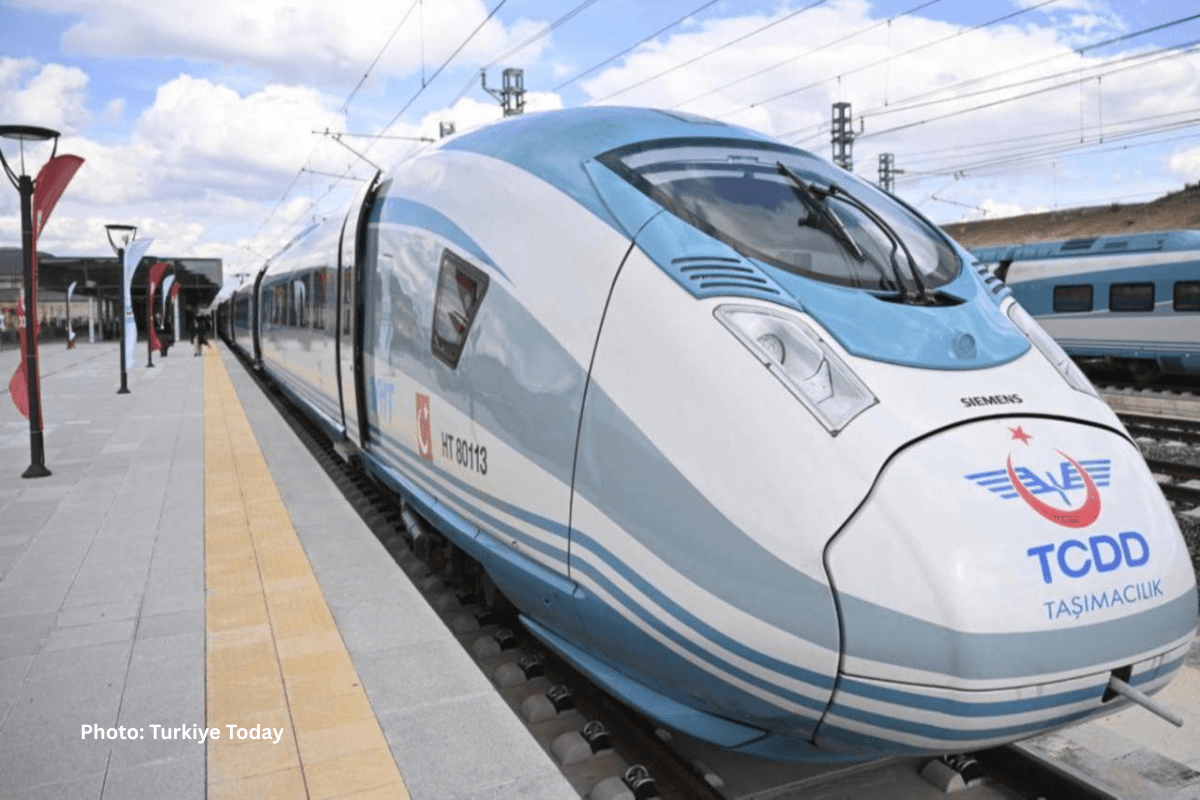
Türkiye's 2026 Railway Investment Program Enhances Eurasian Transport Links

Engineering Business Management
Published on: Jan 18, 2026
Share this story
As regional connectivity becomes paramount, Türkiye is set to significantly bolster its rail network. The nation's 2026 Investment Program earmarks over 261 billion Turkish liras for crucial railway projects, reinforcing its position as a key Eurasian transport corridor.