VIENTIANE, June 2026 — The integration of the China–Laos Railway into the broader Southeast Asian transport network represents a significant milestone in the development of cross-border rail infrastructure. By providing a high-capacity, electrified link between Kunming and Vientiane, the project addresses long-standing logistical bottlenecks that previously hindered efficient land-based trade between China and the ASEAN bloc.
Technical specifications and operational data highlight the project's scale, with the 1,035-kilometer line reducing the journey between its primary hubs to approximately ten hours. This efficiency gain has enabled the annual transport of tens of millions of tonnes of diverse cargo, ranging from high-value electronics and manufactured goods to regional agricultural exports. The implementation of digital logistics solutions, including electronic seals and real-time freight tracking, has further streamlined multi-country customs and transport protocols.
For industry stakeholders, the railway serves as a catalyst for broader regional integration, with planned and existing linkages extending toward Thailand, Cambodia, and Vietnam. This corridor-based approach to infrastructure development is fostering a shift from road to rail, offering a more sustainable and cost-effective alternative for bulk freight. Furthermore, the project has stimulated localized economic growth, evidenced by the expansion of hospitality and service sectors in key transit hubs such as Luang Prabang and Vang Vieng.
While the railway demonstrates the transformative potential of modern rail standards, it also underscores the complexities of large-scale infrastructure financing and regulatory alignment. Stakeholders continue to monitor debt sustainability and land acquisition processes, which remain critical factors in the long-term viability of such capital-intensive projects. These challenges reflect the broader global discourse on balancing rapid infrastructure expansion with fiscal responsibility and social impact.
As the rail sector continues to prioritize decarbonization and intermodal connectivity, the China–Laos Railway provides a pertinent case study in transitioning toward electrified, high-efficiency transport networks. The project aligns with global trends favoring rail as a safer, more eco-friendly medium for both passenger and freight movement, ultimately strengthening the resilience of regional supply chains.
Source: Travel And Tour World
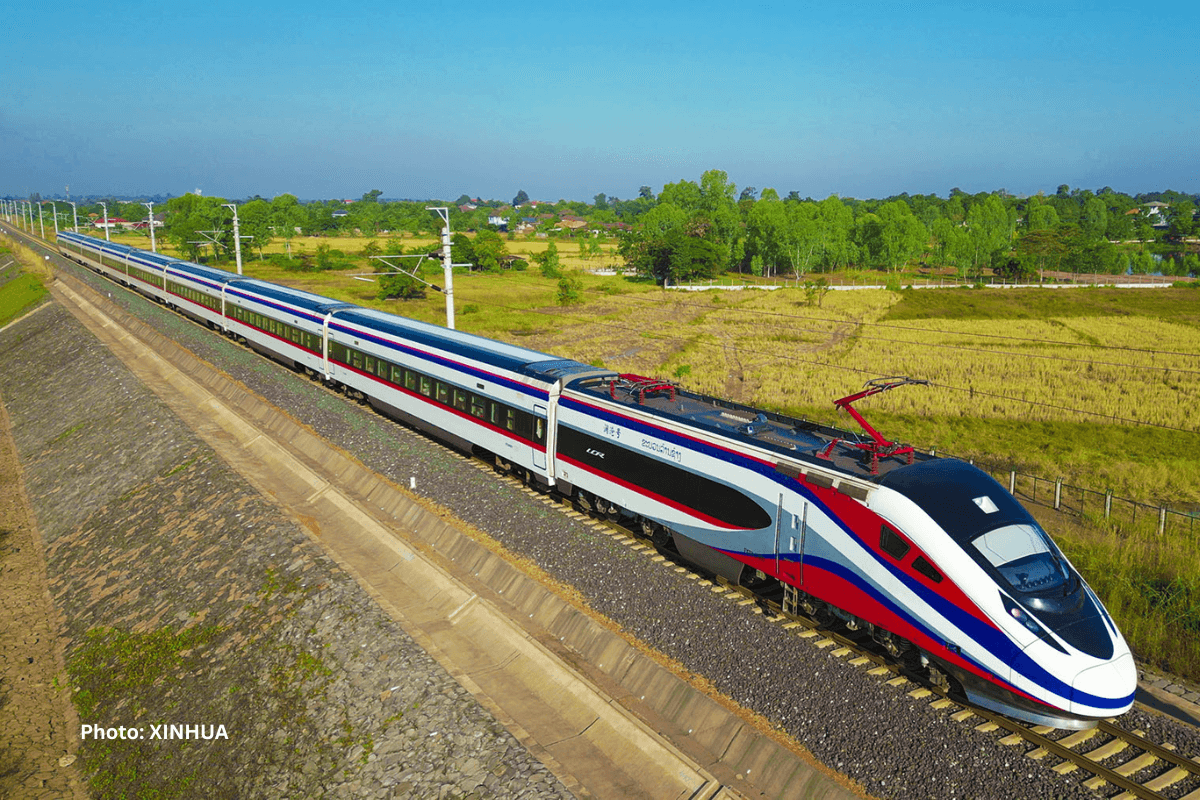
China–Laos Railway Enhances Regional Connectivity and Freight Logistics Efficiency

Engineering Business Management
Share this story
The expansion of high-standard rail infrastructure in Southeast Asia is fundamentally altering regional trade dynamics and logistics efficiency. The China–Laos Railway has now established itself as a critical corridor, significantly reducing transit times and facilitating the movement of millions of tonnes of cargo across the Mekong-Lancang region.